
Eco Friendly
Heat Pump Hot Water: Is It Worth the Upgrade in Australia?

The short version
- Why it is worth considering: hot water is a big share of the home energy bill, and a heat pump uses roughly 60 to 75 per cent less electricity than a standard electric tank.
- The honest catch: the upfront cost is higher than a conventional tank, which is where rebates matter.
- The verdict shape: for most owner-occupiers replacing an old electric or gas system, the payback is typically two to five years after rebates, and better again with rooftop solar.
A heat pump hot water system is one of the few household upgrades with a clear, ongoing effect on the energy bill. It also carries a higher upfront price than the tank it replaces. This guide sets out what the technology is, what it costs and saves, which rebates apply at the time of writing and the conditions under which the upgrade genuinely earns its keep. It is general information, not a quote for a specific home.
What a heat pump hot water system is
A heat pump hot water system works like a refrigerator in reverse. Instead of using an electric element to heat the water directly, it pulls heat from the outside air and transfers it into the water in the tank. That is why it can be three to four times more efficient than a standard electric tank and use roughly 60 to 75 per cent less electricity to deliver the same hot water.
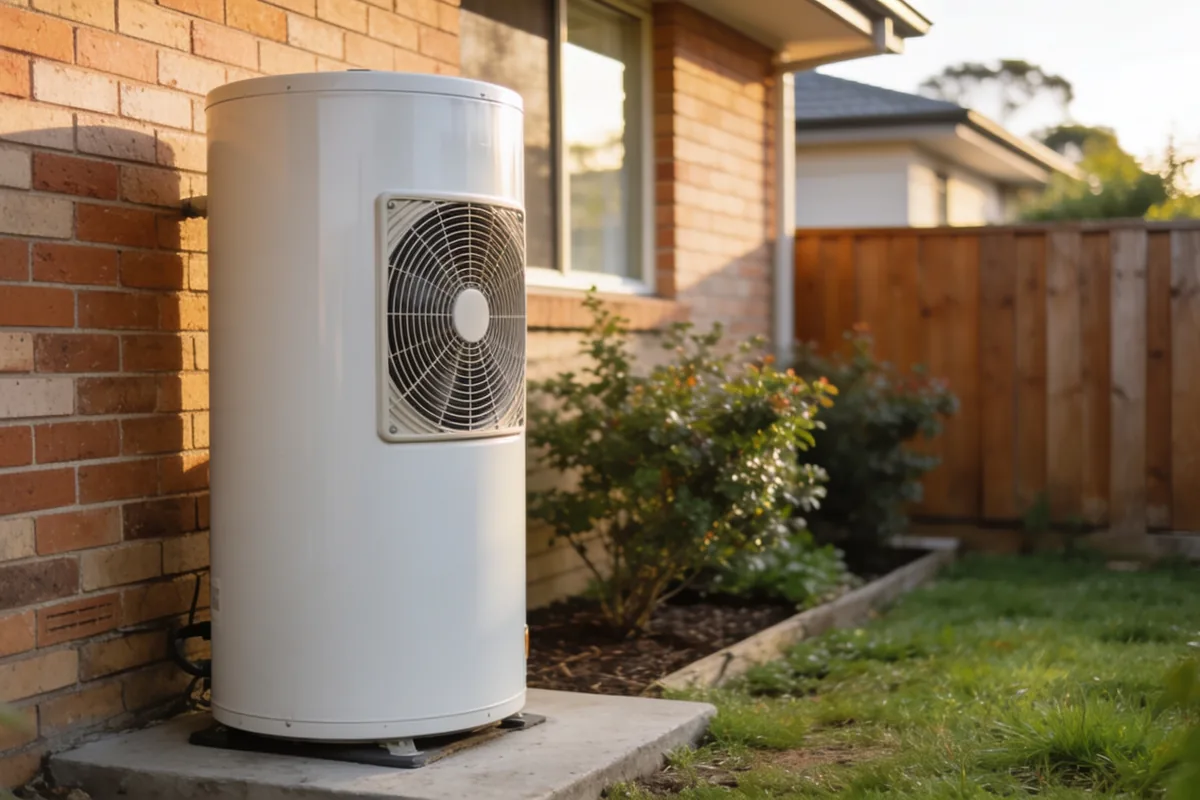
The unit looks like a large cylinder with a fan, usually installed outside against a wall or on a concrete pad. It needs air to move around it, which is why indoor installation is rarely an option. The technology is not new, but it has become far more common in Australian homes as electricity prices have risen and gas has fallen out of favour.
Why hot water is worth thinking about
Hot water is typically one of the largest energy uses in an Australian home after space heating and cooling. It runs every day, all year, which means the efficiency of the system has a direct and continuous effect on the bill.
Replacing an old electric tank or a gas system is one of the few appliance swaps with a clear ongoing payoff. A more efficient fridge saves a little; a more efficient hot water system saves every time someone uses the tap. That is why the decision deserves more thought than the average appliance upgrade. The wider energy-saving picture matters here too, and the site’s guide to reducing the energy bill with smart eco habits sets out the other levers a household can pull alongside the appliance swap.
What it costs and what it saves: honest ranges
The upfront installed cost of a heat pump hot water system is higher than a conventional tank, in the order of a few thousand dollars once installation is included. That is the honest catch, and it is the reason the decision is not automatic.
The running-cost savings are typically a few hundred dollars a year against gas or a standard electric tank. Against an old electric tank, the saving is larger; against gas, it depends on the local gas price. After rebates, the payback period is typically two to five years, which means the system usually pays for itself well within the working life of the unit.
These figures are ranges, not fixed quotes. The actual numbers depend on household hot water use, local electricity and gas prices, the specific unit and the installer. A household should treat any advertised payback as an estimate to test against its own usage, not as a promise.
The rebates at the time of writing
Rebates are where the upfront gap narrows, and they change, so the standing instruction is to check the current scheme before committing. The position as at mid-2026 is set out below.
At the federal level, small-scale renewable certificates apply to every eligible installation. Their value, typically a few hundred to just over a thousand dollars, is applied upfront, and it shrinks each year as the scheme winds down toward its 2030 end. Acting sooner is therefore worth more than acting later.
State schemes add more. In Victoria, the Solar Victoria rebate is up to about $1,000, with more available for eligible locally made units, and Victorian Energy Upgrades discounts also apply; household income eligibility was tightened from 1 July 2026. In NSW, the Energy Savings Scheme offers a hot water upgrade incentive in the order of a few hundred dollars. In South Australia, the Retailer Energy Productivity Scheme provides discounts for priority households.
To qualify, the system must be on the Clean Energy Regulator’s register of eligible products and be installed by a licensed plumber or electrician. A unit bought online and installed by anyone without the right licence may not qualify, which can turn a good price into a poor one.
The solar pairing
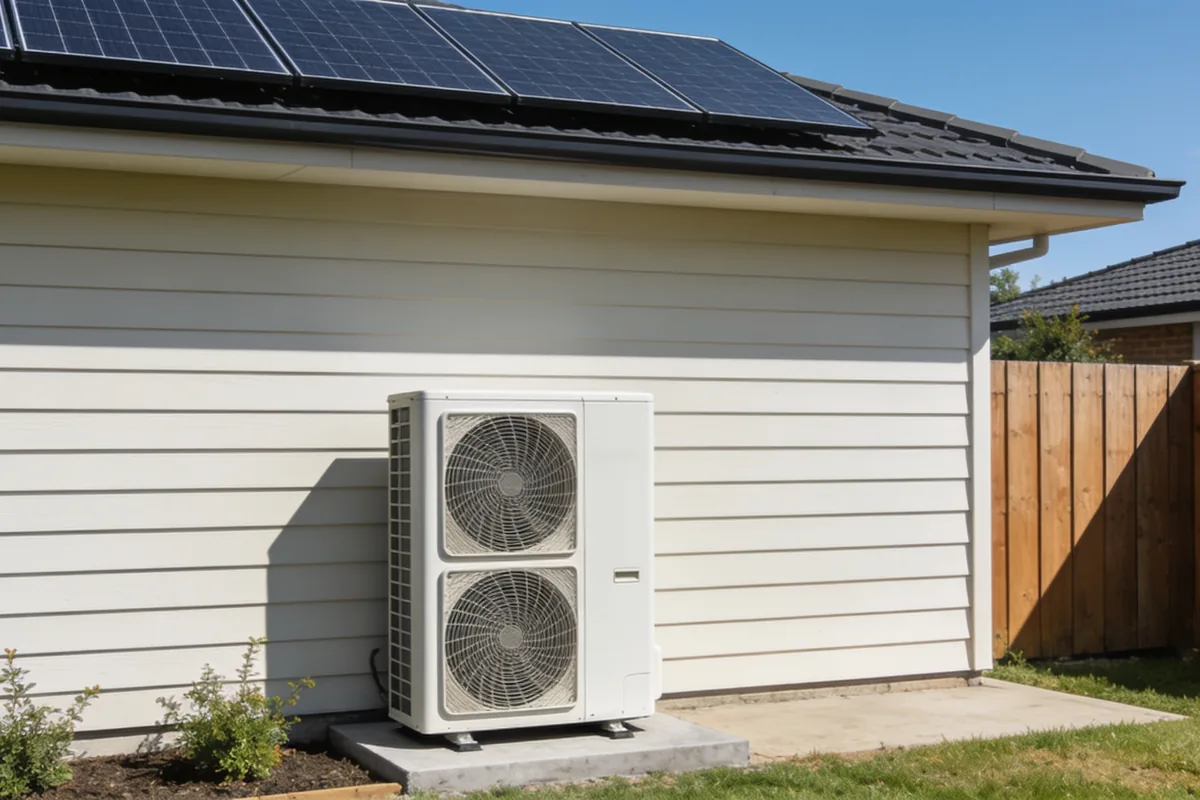
The strongest configuration pairs a heat pump with rooftop solar. Running the unit during daylight hours, when the solar panels are generating, can cut hot water costs dramatically, because the system draws cheap or effectively free power at the time of day when it is produced.
This is the pairing that makes the upgrade most attractive. A household that already has solar, or is planning to add it, should treat the two decisions as related rather than separate. The site’s guide to whether solar power is worth it for an Australian home sets out the cost and payback logic of the solar side of that pairing.
Who it is genuinely worth it for
The honest verdict is not universal. The upgrade earns its keep most clearly for owner-occupiers replacing an old electric or gas system who plan to stay in the home long enough to collect the payback. It is also a strong choice for households with rooftop solar, and for anyone facing a gas system nearing the end of its life while gas prices keep rising.
It is a harder sell in three situations. Renters rarely control the hot water system and cannot capture the payback. A household that expects to move within a couple of years may not be in the home long enough for the savings to overtake the upfront cost. And a property without a suitable outdoor location for an air-source unit may face installation complications that change the maths. Each of those situations is a reason to run the numbers, not a reason to dismiss the technology out of hand.
Check the scheme, then run the numbers
The upgrade is not cheap up front, but the running savings are real and the rebates narrow the gap. The sensible process is to check the current state scheme, obtain a quote from a registered installer and run the payback against the household’s own hot water use before deciding.
For most owner-occupiers with an ageing electric or gas system, the numbers will point the same way. The technology is proven, the savings are ongoing and the window for the most valuable federal rebate is closing. That combination is worth acting on, with the scheme details confirmed first.
Sources: Solar Victoria – heat pump hot water rebate and buyers guide · NSW Climate and Energy Action / Energy Saver – heat pump water heater incentives · Clean Energy Regulator – small-scale renewable energy scheme and eligible product register