Home & Garden
How to Choose Roofing Materials for Australia’s Extreme Weather

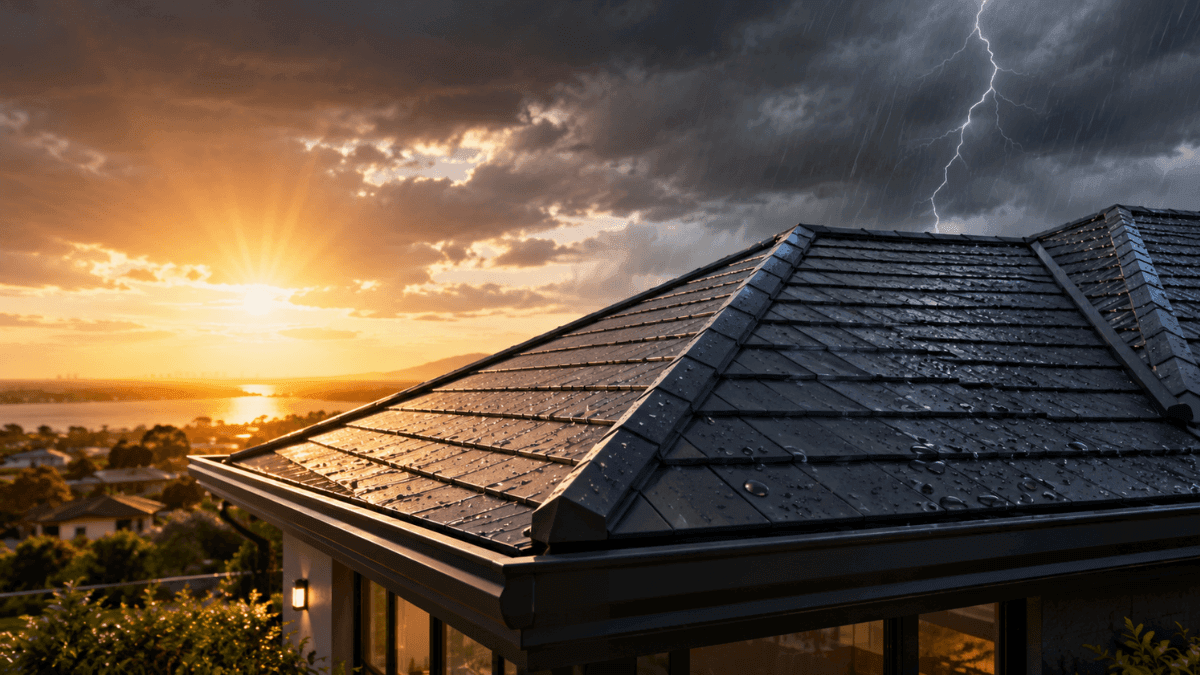
Choosing a roof is a long-term decision, and in Australia the weather makes it harder than it looks. One week brings heat, the next hail, wind or heavy rain. Coastal suburbs add salt to the air, and bushfire zones add embers. A roof that suits one climate can fail early in another. This guide covers what the material actually has to handle, and how to compare your options without getting lost in marketing.
Why roofs fail early
Most premature roof problems come down to a mismatch between the material and the environment. Ageing metal roofs show rust along cut edges and around fasteners. Older tiles lose their coating and let moisture creep into the roof space. Leaks often start small: a cracked ridge cap, a lifted sheet, or corroded flashing around a chimney or skylight. Repair costs climb fast once water reaches ceiling plaster, insulation or wiring, so the material you choose matters as much as the quality of the installation.
What an Australian roof actually has to handle
Take a moment to list what your suburb throws at a roof, because that list drives the decision:
- Heat and UV, which bake coatings and cause fading and embrittlement over years.
- Hail, which can dent light-gauge metal and crack brittle tiles.
- Wind, which lifts sheets and tiles when fixings are too few or too short.
- Salt in coastal air, which corrodes unprotected steel.
- Bushfire and cyclone rules, which set extra requirements such as BAL ratings and cyclone-grade fixings.
That is why the same roof profile is not automatically right for a home in Darwin and one in Hobart. Your local climate and building zone should drive the choice, not price alone.
Coated steel sheets: the popular choice
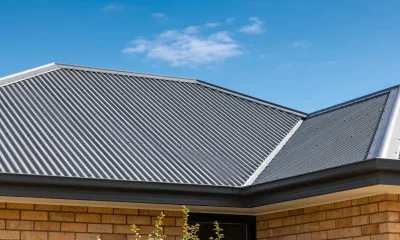
Coated steel roofing is the most common option for good reason. A factory-applied coating resists corrosion and fading, which suits coastal and inland homes alike. Products such as Colorbond are made for Australian conditions, come in a wide colour range, and are light enough to keep framing and installation simpler than heavy tiles. What varies between brands is the quality of the coating, the thickness of the steel, and the warranty behind it. The qualities of long-lasting roofing materials are mostly decided before the sheet ever reaches your roof.
If you are comparing suppliers of roof sheets, ask what the coating warranty actually covers and how the sheets are cut and sealed on site. Exposed cut edges are where rust usually starts, so a roofer who caps or seals them properly is worth more than a cheaper quote.
Tiles: concrete and terracotta
Tiles suit homes where a heavier, classic look fits the design. Terracotta ages gracefully and handles heat well. Concrete is cheaper and comes in many profiles. Both sit heavy on the frame, so the structure must be built for them. In hail-prone areas, brittle profiles can crack. In high wind, tiles rely on correct bedding and fixings. If you like the look, check how that profile has performed in your suburb rather than trusting the showroom photo.
What to check before you buy
- Coating and warranty: what is covered, and for how long.
- Steel thickness and the corrosivity category for your distance from the coast.
- Fasteners and flashing, which should match the quality of the sheets. Cheap screws fail first.
- Installation: a roofer who follows the manufacturer’s specifications, not shortcuts.
- Bushfire and cyclone rules, and what your insurer expects.
If skylights are part of the plan, our guide to skylight roofing options for homes in Melbourne’s climate covers how they change the picture.
The installer matters more than the brand
For most Australian homes, coated steel is the low-maintenance, wide-choice option, and tiles are the heavier traditional look. In both cases the quality of fixings and the installer matter more than the brand. Compare the coating warranty rather than the price per square metre, factor in your suburb’s weather, and you will not go far wrong.
Roofing material suppliers: Singh Roofing Supplies (singhroofingsupplies.com.au) stocks Colorbond roof sheets.