Home & Garden
The Key Qualities That Define Long-Lasting Roofing Materials

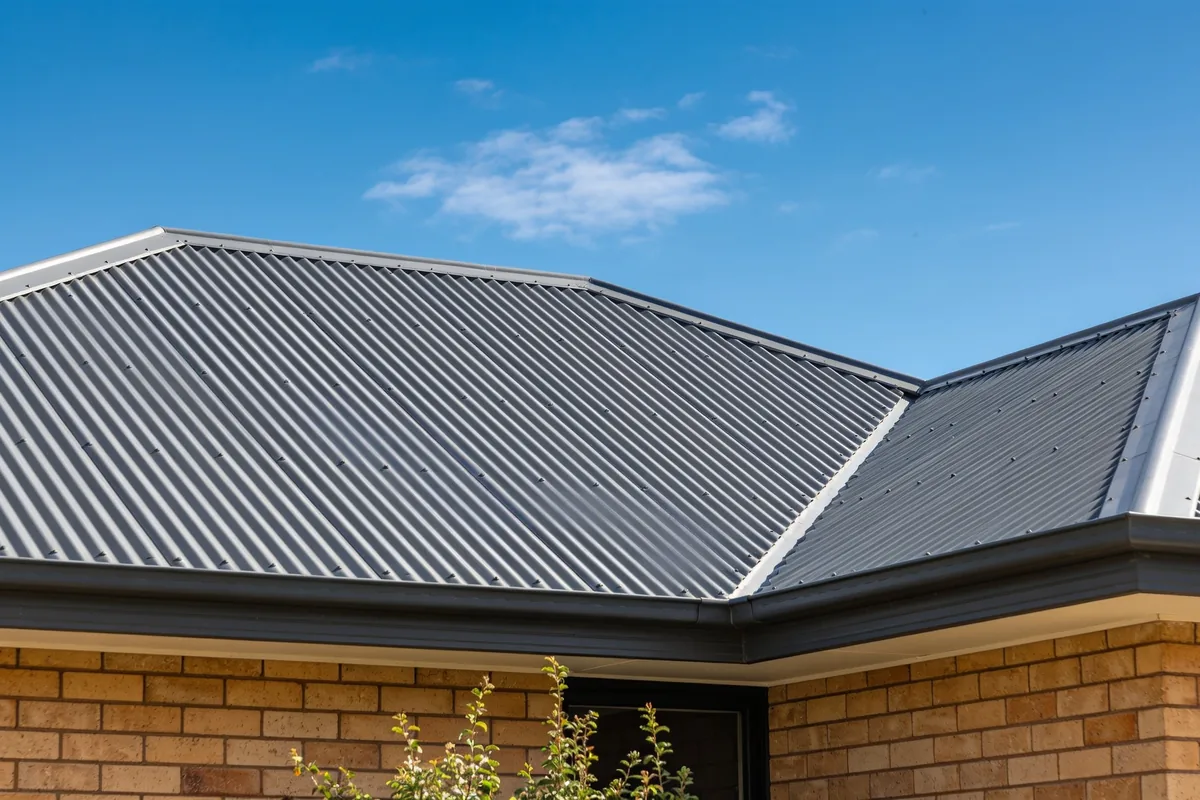
A roof is the last line between the weather and everything inside the house, and it is one of the more expensive parts of the home to replace. Most people choose a roofing material once every few decades, so the question is not which product looks best on the day it goes on. It is which one will still be doing its job at twenty, thirty or forty years. The qualities below separate materials that last from materials that wear out early, and they matter more than the colour chart.
Weather resistance and the Australian climate
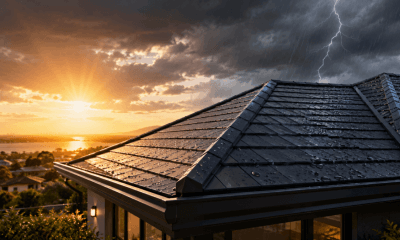
The first job of a roof is to keep water out and stay put in wind. Australian roofs also sit through high levels of UV and large temperature swings between day and night, which makes how a material handles expansion and contraction as important as how it sheds water. Materials that cope poorly with that constant movement develop hairline cracks, lifting edges and fatigued fixings over time. A material can look right in a showroom and still fail early once it has been heated and cooled a few thousand times.
Strength and how the roof handles impact
Strength is about more than resisting a dent. The roofing material has to carry its own weight, hold against wind uplift and survive hail and the odd falling branch. Metal sheeting is light for its strength, which is why it can span further on lighter framing. Tiles are heavier and need a stronger roof frame to carry them, but that mass helps them stay put in high wind. What matters is that the material and the structure underneath are matched, because a strong sheet fixed to a weak frame is still a weak roof.
Corrosion protection on metal roofs
For metal roofing, corrosion protection decides the working life. The steel core is protected by a coating system, and the quality of that system, plus the care taken at the edges, fasteners and flashings, is where long life is won or lost. Cut edges, drilled holes and scratched sections are the places corrosion starts, which is why detailing matters as much as the product. Common Australian products such as Colorbond and Zincalume are coated steel options whose performance depends on the coating staying intact and the roof being detailed properly.
Energy performance of the roof
The roof is the largest single surface between a home and the sun, so its energy behaviour affects comfort and cooling costs. A surface that reflects more of the sun’s heat keeps the ceiling space cooler in summer, and in hot Australian climates that reduces how hard the air conditioner has to work. Colour plays a part, because lighter and more reflective finishes absorb less heat. The roof does not do the job alone, since insulation and ventilation in the roof space carry much of the load, but a material that handles heat well is a real long-term advantage.
Ease of installation and the risk of errors
A roofing material is only as good as the way it is put on. Materials that are straightforward to cut, fix and detail tend to have fewer installation mistakes, because most roof failures start at a fastener, a flashing or a penetration that was not finished properly. Longer sheets mean fewer laps and therefore fewer places for water to find a way in. The practical point is to weigh how easily the material can be installed correctly alongside how quickly a crew can lay it.
How a roof ages and looks over time
How a material looks at twenty years matters more than how it looks at installation, because a roof that fades, chalks or grows moss can push an owner toward replacement while the material itself is still sound. Some finishes hold colour well under UV, while others dull within a few years. In humid or shaded positions, surface growth becomes a maintenance issue. Colour and profile are partly a matter of taste, but the way a finish ages is a durability question, and it belongs in the decision.
The cost over the roof’s full life
The purchase price is the figure people compare, but it is only the start of the cost. Over the life of a roof you also pay for installation, maintenance, repairs and the energy the roof lets in or keeps out. A material that is cheap to buy and fails at twenty years can cost more in the long run than a dearer one that is still sound at forty. That is why the cost question should be asked over the expected life of the roof, not settled at the checkout.
What separates a 20-year roof from a 50-year roof
No single quality decides how long a roof lasts. A material that resists weather, survives impact, keeps its coating intact and handles heat well will still fail early if it is installed poorly or detailed carelessly. The roofs that last are the ones where the material, the structure and the workmanship are all matched, and where the edges, fasteners and flashings get as much attention as the sheets themselves. Choosing a material is only the first decision. The qualities above are the checklist that keeps that decision from having to be made twice.