Home & Garden
Is Your Plumbing System Supporting or Stressing Your Home?

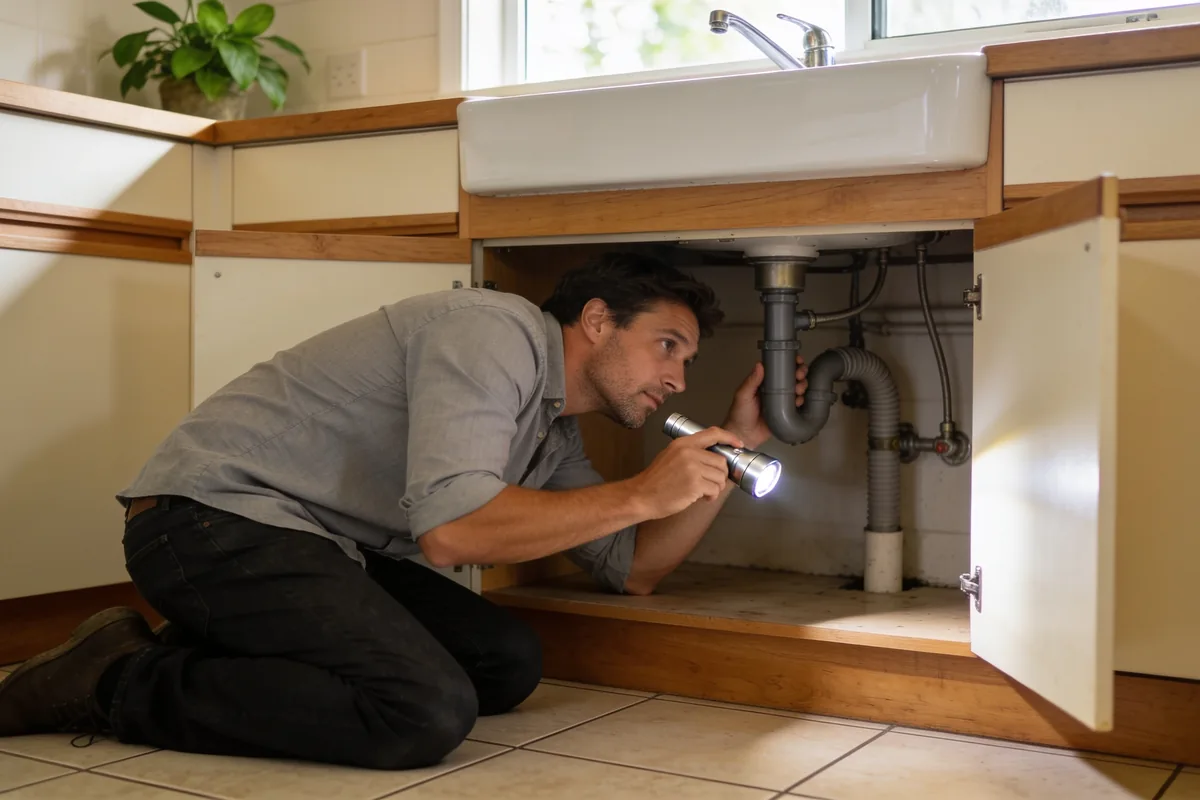
A home’s plumbing is easy to ignore until it fails. The pipes, fittings and fixtures work behind walls and under floors, delivering water in and waste out, and most of the time they do it without attention. But a system that is ageing, undersized or poorly maintained does not fail suddenly out of nowhere. It runs under stress first, and the stress shows up in small ways long before a pipe bursts or a drain backs up. This guide looks at what puts a plumbing system under stress and what it costs to let that stress continue.
The signals that a system is under load
A stressed system usually announces itself. Drains empty slowly, pipes gurgle or knock, taps drip, a water stain spreads on a ceiling or the water bill climbs for no clear reason. Each of those is worth acting on in its own right. For this guide they matter as a group, because a run of small problems across a home usually points to a system-wide cause rather than a single faulty fixture.
Ageing pipes and fittings
Pipes have a working life. Galvanised steel corrodes from the inside, copper can pit in aggressive water, and the rubber washers and seals inside taps and valves perish over time. In an older home the pipes themselves are often the source of the stress, because they were installed to an older standard and have been deteriorating quietly for decades. Ageing pipework shows up as discoloured water, reduced pressure, leaks at joints and fittings that no longer seal properly.
Blockages, pressure and poor maintenance
Three causes sit behind most plumbing stress. Blockages narrow the pipe and force water through under back-pressure, which strains joints and can push waste back up. Water pressure that is too high stresses taps, valves and the connections to appliances, while pressure that is too low often means a leak or a buildup somewhere in the line. Poor maintenance is the third cause: scale, sediment and debris accumulate in pipes and water heaters when they are never flushed, and small faults are left to become large ones. None of these correct themselves.
What a stressed system costs over time
Plumbing problems do not stay the same size. A slow leak works at timber and plaster for months before it shows, a weeping joint corrodes the fitting around it, and a water heater running with scale in the tank uses more energy and fails years early. The real cost of a stressed system is not the repair. It is the damage done while the problem is left in place, plus the higher water and energy bills that come from a system working harder than it should. Repairing early is cheaper because it stops the damage at the source.
Maintenance that prevents most problems
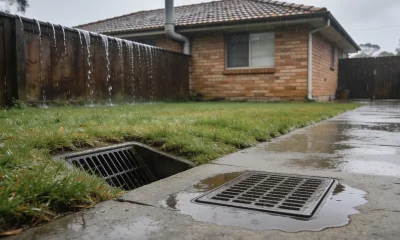
A large share of plumbing stress is preventable with basic, regular care. Clearing hair and debris from drains before they block, keeping fixture traps and overflow relief gullies clear, testing taps and toilets for drips and running water, and checking visible pipes for moisture or corrosion all catch the small faults early. Water heaters benefit from having sediment flushed and the pressure relief valve tested on the schedule in the manufacturer’s instructions. These are small jobs, but they are the ones that stop a system from running under stress for years.
When professional care and upgrades are worth it
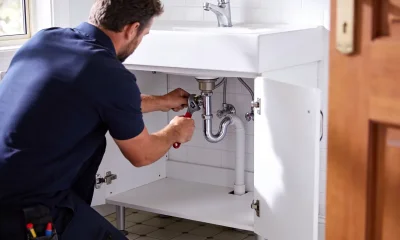
Some work belongs to a licensed plumber. Persistent blockages, low or high pressure across the whole home, leaks inside walls and any work on gas or the water heater are not DIY jobs, because the underlying cause has to be found rather than the symptom treated. Upgrades are worth considering when the system is genuinely old: replacing corroded pipework, fitting a pressure-reducing valve where mains pressure is high, and upgrading an ageing water heater all remove stress at the source. A plumber can test the system and say which parts are near the end of their working life.
Maintenance versus repair: where the money goes
Every home has a choice between spending on maintenance and spending on repair, and the two are not equal. Maintenance is planned, modest and done on the household’s terms. Repair is urgent, larger and done on the problem’s terms, often after water has already damaged something. A plumbing system that is maintained runs within its limits and lasts, while one that is left to run under stress fails early and expensively. Supporting the system while it is healthy is the cheaper way to keep a home’s plumbing doing its job.