Home & Garden
What Sets a Professional Plumber Apart in a Plumbing Emergency

A plumbing emergency is rarely convenient, and it is never a good time to learn how the trade works. A burst pipe, an overflowing toilet or a gas leak puts a household under pressure, and the plumber who arrives is expected to fix the problem, not add to the stress. The difference between a merely available plumber and a genuinely professional one shows most clearly in these situations. This guide sets out the qualities that separate the two, so a household knows what it is entitled to expect when it makes that call.
Rapid response and accurate diagnosis
Speed matters in an emergency, but response time is only half of it. A professional arrives quickly and then diagnoses the problem properly before reaching for tools. The two go together, because a fast visit that misreads the cause simply delays the real fix. A plumber who asks the right questions on the phone, turns up when promised and takes the time to trace the fault rather than treating the symptom is doing the job properly.
The right equipment for the job
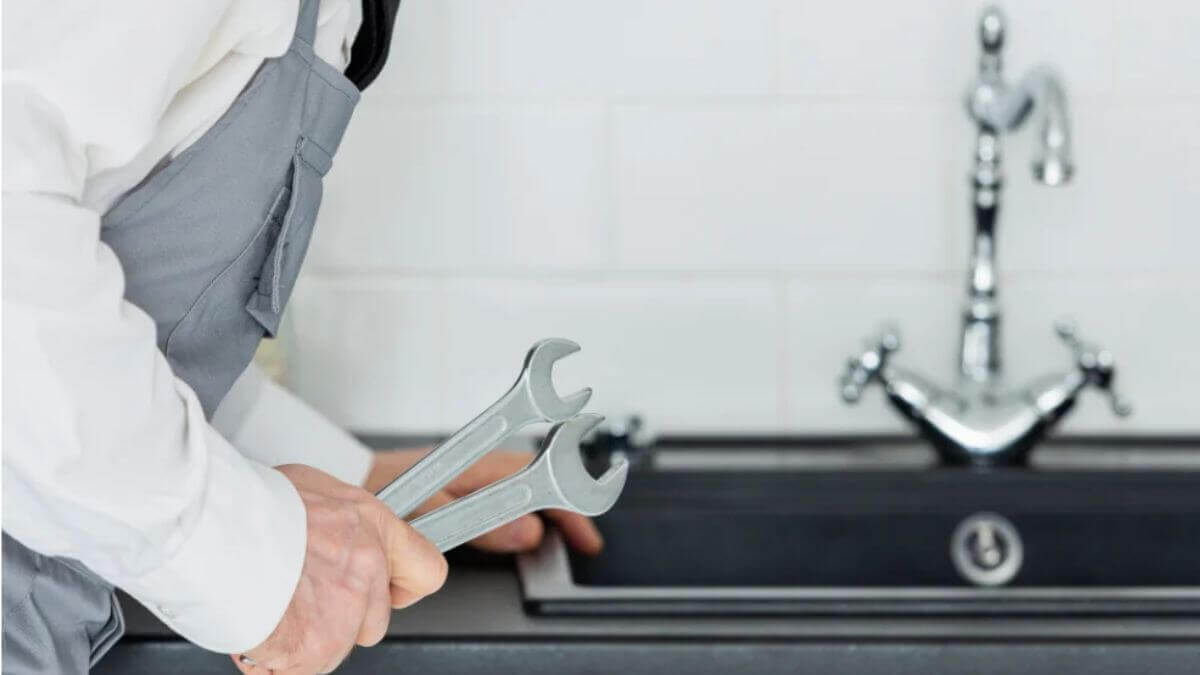
Modern plumbing problems often need more than a wrench. Professional plumbers carry the equipment to locate and assess faults accurately, including cameras for inspecting pipes and electronic leak detection where the source is not obvious. This equipment is expensive, which is one reason a licensed professional charges more than a handyman. It is also what turns a guess into a diagnosis. A plumber who can find the exact location of a leak without tearing open walls and floors is saving the household money and mess.
Local knowledge and working conditions
A plumber who works in an area regularly brings knowledge of its buildings, its soil and its common failure points. That familiarity speeds up diagnosis, because the plumber has seen the same problems in the same types of property before. It also matters for practical reasons such as knowing where isolation valves are likely to be and how the local water pressure behaves. This is not about any single suburb. It is the general value of hiring someone who understands the conditions the work will face.
Compliance with safety standards
Emergency work is still regulated work. A professional plumber holds the relevant licence, follows the safety standards that apply to the job and obtains any approvals the work requires. This matters most with gas, water pressure and anything that affects the safety of a household, where a non-compliant repair can create a danger that outlasts the emergency. A professional will not cut corners on compliance to finish faster, and will be able to show the licence and the paperwork that back the work.
Clear communication under pressure
The best emergency plumber in the trade is of little use if the household cannot understand what is happening. Professional plumbers explain the problem, the options and the cost in plain language before starting work, and they do it while the household is stressed. That means being clear about what is urgent and what can wait, what the fix will cost and what the alternatives are. A household that understands the situation can make better decisions, which is why communication is a practical part of the job rather than a courtesy.
Long-term fixes over temporary patches
Emergency situations tempt everyone to accept the quickest stopgap. A professional plumber distinguishes between a genuine temporary measure, which is sometimes necessary to stop damage overnight, and a bodge that will fail again in weeks. The professional’s interest is in a repair that holds, because a repeat call on the same fault reflects badly on the work. A plumber who recommends the durable fix, and explains why it costs more, is usually the one worth paying.
Preparedness for the unexpected
Plumbing emergencies rarely present themselves neatly. The professional is the one who has planned for the variations, carrying the parts and fittings that cover common failures and knowing how to adapt when the situation on site differs from the initial report. This preparedness is invisible until it is needed, and it is exactly what separates a plumber who finishes the job in one visit from one who has to leave mid-repair to chase a part.
Insurance and accountability
A genuine professional is insured, and that insurance protects the household as well as the plumber. If the work causes damage, or if a fault in the repair leads to a problem later, insurance is what makes good on it. Accountability also shows in the willingness to stand behind the work, whether through a guarantee on the repair or through a clear record of what was done. A household should not be shy about asking a plumber for proof of licence and insurance before work begins.
Reducing the stress of the situation
Part of the professional’s value is simply that the household is not managing the emergency alone. A plumber who takes charge of the situation, sets expectations honestly and keeps the household informed reduces the stress that makes an emergency worse. A good emergency plumber is judged on more than whether the leak is fixed. The household also needs to be left confident that the problem is resolved and clear on what was done.
What to ask when you call an emergency plumber
How quickly can an emergency plumber get here? Response times vary with the time of day and the plumber’s workload, but a genuine emergency service will give a realistic arrival window and stick to it. Ask for that estimate on the phone and confirm whether there is an after-hours call-out fee.
Should I turn off the water before the plumber arrives? If a pipe has burst or water is leaking steadily, turning off the water at the mains or the isolation valve limits the damage. A plumber can talk a household through this on the phone, which is one reason a good emergency service answers the call.
Are emergency call-out rates higher? Yes. After-hours and emergency work is usually charged at a higher rate than scheduled work, and the rate should be stated before the plumber starts. A professional quotes the job rather than presenting an open-ended bill.
What if the plumber cannot fix it in one visit? Some emergencies need parts or equipment that are not on hand. A professional will make the situation safe, explain what is needed and return to complete the work, rather than leaving the household with a half-finished repair.
How do I know a plumber is licensed? Ask to see the licence and check it against the relevant state register. A licensed plumber will have no problem providing this, and it is the only reliable way to confirm the work is regulated and insured.
The common thread across all of these qualities is that a professional treats the emergency as a job to be done properly, not as a chance to make a quick call-out fee. A household that knows what that looks like is far better placed to tell the difference on the day it matters.