Home & Garden
Keeping Homes Running Smoothly: The Importance of Reliable Plumbing in Werribee

A home relies on its plumbing more than any other system it owns. Water comes in, waste goes out, and when either stops working properly the whole household feels it. Yet plumbing is usually noticed only when something goes wrong, and by then the small issue has often become a larger one. For a homeowner in Werribee, where the housing stock ranges from newer estates to older weatherboard homes and the ground beneath the house moves with the seasons, having a plumber who knows the area is part of keeping the home sound. This guide covers how to choose that plumber and how to keep the system running so the call is rarely urgent.
Why plumbing deserves more attention than it gets
Plumbing sits behind walls, under floors and below the garden, out of sight for as long as it works. That is exactly why problems are usually advanced by the time they appear. A leak that stains a ceiling has often been running for weeks, and a drain that finally blocks has been narrowing for months. Because the system is hidden, the cost of neglect shows up all at once: in a repair bill, in water damage or in a hot water system that fails at the worst moment. Regular attention is cheaper than any of those.
What makes homes in Werribee different
Werribee’s housing ranges from established homes on larger blocks to newer estates, and the ground conditions are part of the picture. The area’s clay soils swell when wet and shrink when dry, which puts movement into the ground under a house. Over time that movement can shift pipework, strain joints and change the fall on drainage lines, so a small leak that would stay put elsewhere can slowly open up here. Homes on reactive clay are also the ones where movement in the slab or footings can affect the pipes attached to them. It is a local reason to have a plumber who understands the area rather than someone working blind.
Licensing should come first, not last
In Victoria, plumbing work is regulated, and a licensed plumber carries the qualifications that make the work legal and insurable. The Victorian Building Authority oversees plumbing registration, and a plumber’s licence number can be checked against its register before work starts. Licensing matters because it is the difference between work that is done to code and work that is not, and faulty plumbing can cause leaks, gas faults and health problems that a cheaper unlicensed job leaves behind. The licence is the first thing to ask for and the easiest to verify.
What a small ignored issue really costs
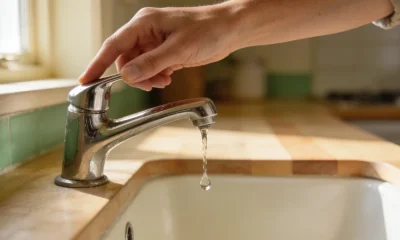
The gap between fixing a problem early and fixing it late is usually large. A dripping tap or a weeping joint costs little to repair while it is small, but the same leak left for months can rot timber, stain plaster, lift flooring and add to the water bill. A blocked drain that is cleared early is a service call, while the same blockage left to build can overflow and damage the room around it. The pattern is consistent. The longer a plumbing issue is left, the more it costs, because the damage spreads beyond the pipe into the house around it.
How to find a plumber worth trusting
A reliable plumber is found by checking the same things every time. Confirm the licence and verify it against the register. Ask for a written quote before work starts and check what it includes, because a low price can mean a smaller job than the one needed. Check that the plumber carries insurance, because that covers damage done during the work. Ask about warranties on both parts and labour, and get the details in writing. Look at reviews from other local customers, and treat a pattern of the same complaint as more useful than a single bad review. A plumber who answers these questions plainly is usually one who does not need to hide anything.
Routine maintenance that prevents the urgent call
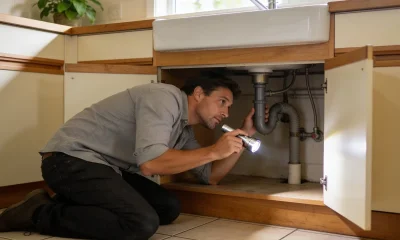
Most emergency calls are for problems that built up quietly. Clearing hair and debris from drains before they block, having the hot water system serviced on schedule, checking the pressure relief valve, and testing taps and toilets for drips and running water are small jobs that stop the buildup. Knowing where the property’s isolation valves are, including the main water valve and the one at the hot water system, means a leak can be stopped quickly rather than left running while a plumber is called. A homeowner who does these things makes the urgent call a rarity.
Seasonal checks that fit the local climate
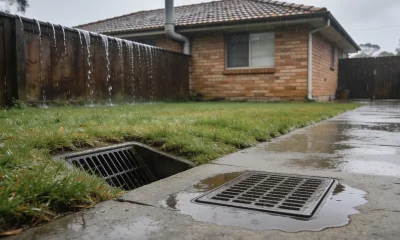
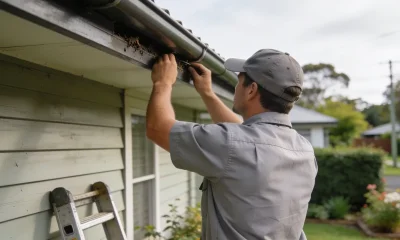
The seasons change which parts of the system work hardest. Before summer, when garden watering and demand on the hot water system rise, check hoses and irrigation fittings for leaks and make sure the hot water system is keeping up. Before winter, when more time is spent indoors, check toilets, taps and visible pipes for drips and corrosion, and make sure gutters and downpipes are clear so water is carried away from the house rather than against it. These checks take minutes and they line up maintenance with the weather the house actually gets.
Choosing a plumber before you need one
The best time to find a plumber is not the moment a pipe bursts. It is before that, when there is time to check licences, compare quotes and talk to someone who knows the area. A homeowner who has a plumber’s number saved, and has used them for a small job, is not searching in a panic when something large goes wrong. For a home in Werribee, where the soil moves and the housing stock is mixed, that relationship is worth more than any emergency call-out. Find the plumber while the work is small, and the large jobs may never arrive.