Home & Garden
Think Your Home Is Safe? Think Again: The Reality of Pest Problems in Melbourne

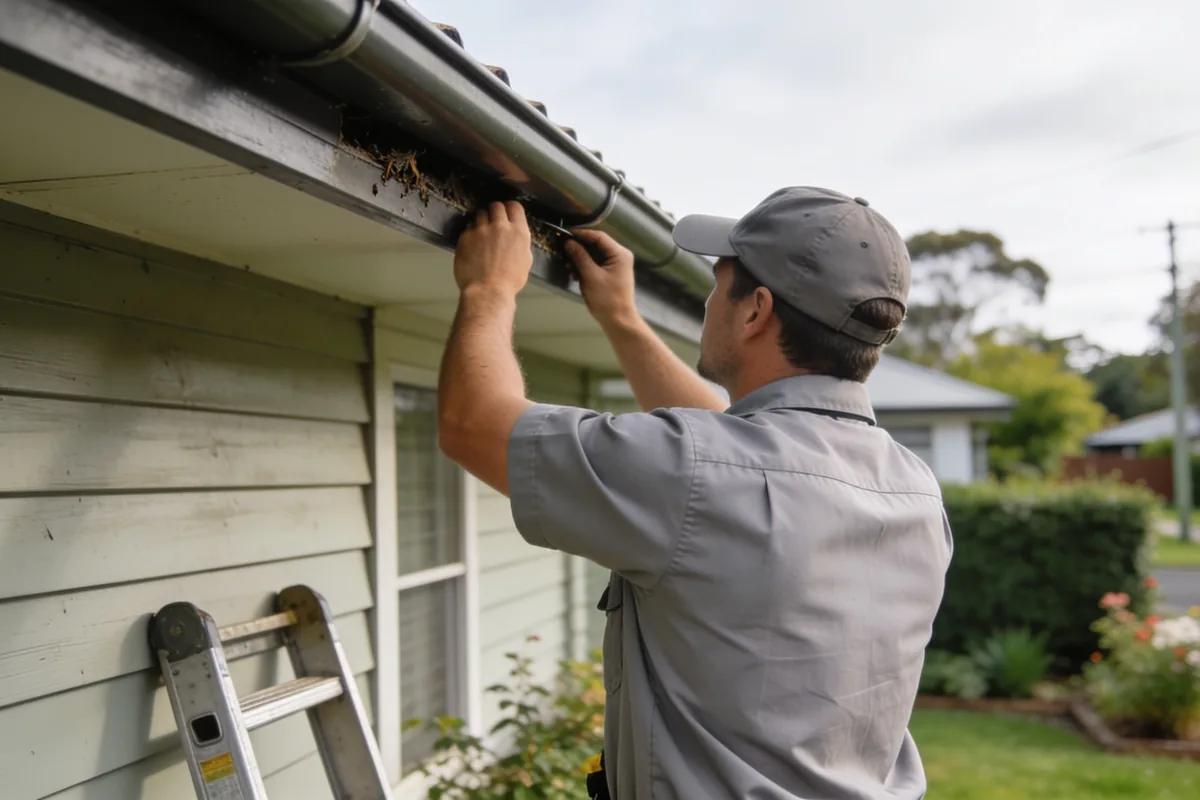
Most homeowners assume their house is safe from pests until the day they find evidence of one. The assumption is understandable, because the pests that damage a home, termites in particular, are built to stay out of sight. By the time a problem becomes visible, it has usually been established for some time. This guide sets out the pest risks that apply to a Melbourne home, the work that professional pest control covers, and the steps a homeowner should take when choosing a pest controller.
Why Melbourne homes are vulnerable
Melbourne’s climate suits a wide range of pests. The winters are mild, the summers are warm and moisture is present through much of the year, which are the conditions insects and rodents thrive in. The housing stock adds to the exposure: older homes with timber framing, subfloor spaces and unsealed entry points give pests routes in, while newer homes with slab construction and gardens close to the walls create harbourage of their own. Any home with timber in its structure has something termites can eat, and any home with gaps around pipes, vents and rooflines has something rodents can use.
The pests a Melbourne homeowner should know about
Five pests account for most of the pest problems a Melbourne home will meet, and each needs a different response. Termites attack the timber in the building itself and can cause thousands of dollars of structural damage before they are noticed. Rodents enter through small gaps, gnaw on wiring and insulation, and contaminate food and surfaces. Cockroaches establish themselves in kitchens and warm, damp areas and are a common trigger for allergies and asthma. Redback spiders favour dry, undisturbed spots such as eaves, garden sheds and meter boxes, and their bite requires medical attention. Possums in the roof space cause noise and damage to insulation, and because they are protected native animals, managing them means exclusion and lawful relocation rather than poisoning.
Knowing which pest is present matters, because the treatment for one is not the treatment for another. A pest controller who names what has been found and tailors the response to it is providing a different service from one who applies a general treatment on the assumption that it will cover everything.
What professional pest control covers
A professional pest control service does more than spray and leave. It inspects the property to identify what is present and where it is entering, treats the infestation with the products suited to that pest, and then advises on the steps that stop the pests returning, such as sealing entry points, removing harbourage and managing moisture. The value of the professional is not the chemical. It is the inspection and the advice that go with it, because a treatment that does not address the underlying cause is a treatment that has to be repeated.
Why timing matters in pest management
Pest activity follows the seasons, and the timing of a treatment affects how well it works. Termite protection is best planned before activity is found, because a barrier or baiting program protects the structure in advance. Rodent and cockroach problems are easier to control early, before a small population becomes an established one. Spring and early summer are when many pests become active, which is why an inspection at the start of the warmer months gives a homeowner time to act before the peak. Waiting until a pest is visible is waiting until the problem is established.
The real cost of ignoring a problem
The cost of a pest problem climbs the longer it is left. Termites are the clearest example, because they work inside timber for months or years, and the repair bill for structural damage is many times the cost of the inspection that would have found them. Rodents that gnaw wiring create a fire risk. A cockroach or rodent infestation in an area where food is prepared can affect a household’s health and, for a business, its reputation. In every case the pattern is the same. The early treatment is modest, and the late one is expensive, because by then the pests have had time to spread and to damage the property.
How to choose a pest controller
Choosing a pest controller is a matter of checking the same things each time. In Victoria, commercial pest controllers are required to be licensed under public health legislation, and a homeowner should ask for the licence and verify it before work begins. A proper service starts with an inspection rather than a quote over the phone, because the treatment depends on what is actually present. The approach should follow integrated pest management, which means identifying the pest, treating it and addressing the conditions that attracted it, rather than applying chemicals as a first resort. The controller should provide a written report of what was found and treated, and a service agreement that sets out the work, the products used and any follow-up. A controller who offers those things is providing a service a homeowner can hold to account.
What a proper inspection involves
A thorough inspection covers more than the rooms a homeowner uses. The pest controller should check the subfloor, the roof space, the exterior perimeter, the garden and the points where pipes and cables enter the building, because those are the routes pests use. The inspection should look for evidence as well as live pests: mud tubes from termites, droppings from rodents, egg cases from cockroaches and damage to timber. The written record of that inspection is what lets a homeowner see the problem and confirm that the treatment addresses it. An inspection that misses the roof space or the subfloor is an inspection that can miss the problem.
A pest problem is easier to prevent than to remove
The pests that damage a Melbourne home are difficult to remove once they are established and comparatively easy to prevent before they arrive. Prevention is a combination of the homeowner’s own habits, such as keeping the property free of harbourage and sealing entry points, and the professional’s inspection, which finds the risks the homeowner cannot see. A pest controller is not an expense to be avoided until something is found. The inspection is the cheap step, and it is the step that keeps a small risk from becoming a large repair. For a homeowner who values the structure of the house, that is the case for acting early.