Eco Friendly
Real vs Artificial Plants: Which Is Actually Better for the Environment?

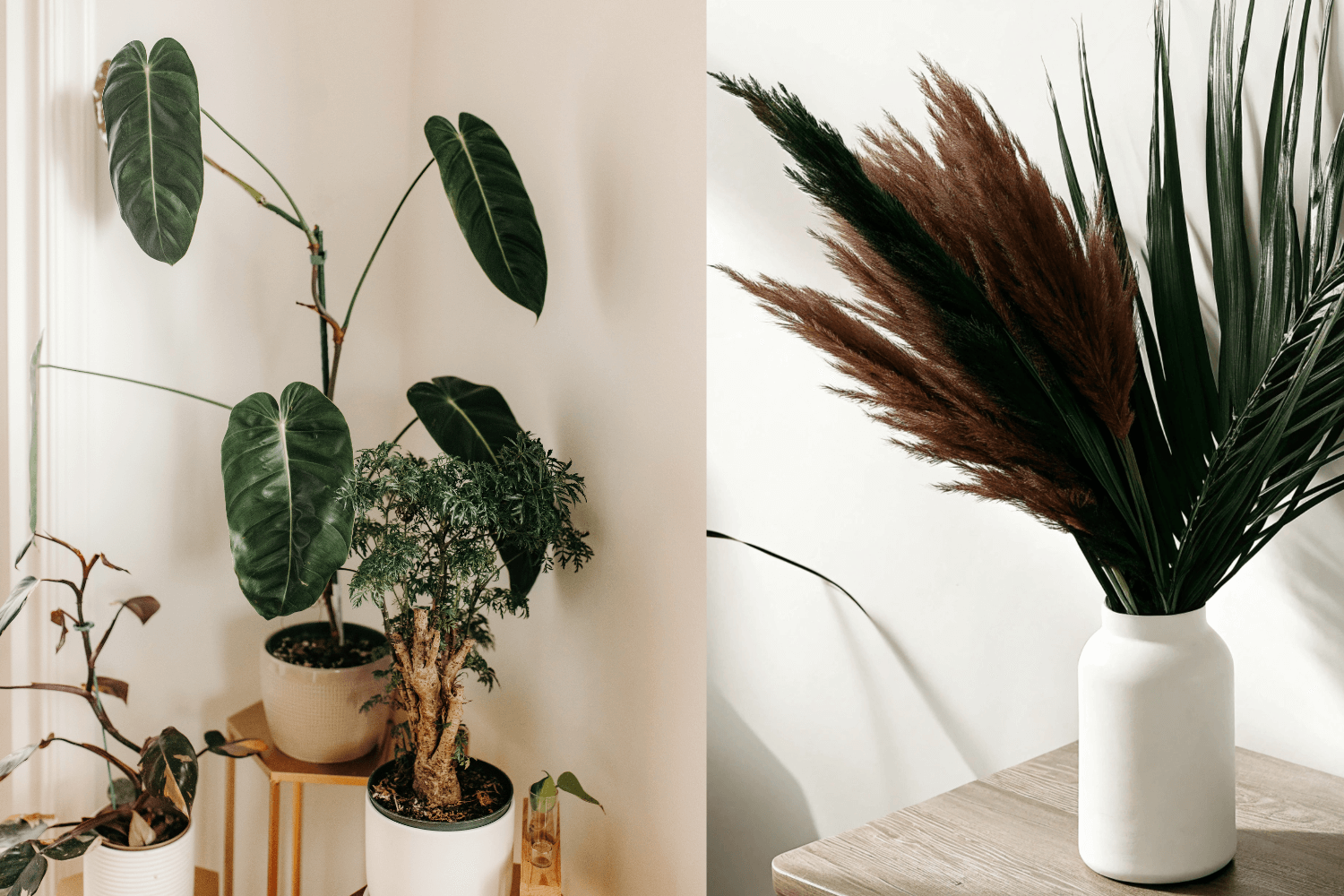
There is a plant in the corner of most rooms that could do with one, real or not, and the question of which is kinder to the planet is not as simple as it looks. The real plant needs water and care and will one day break down into compost. The artificial one asks nothing of you, lasts for years and is made of plastic. Neither is automatically the greener choice. It depends on how each is made, how long it lasts and how you use it.
The air-purifying claim, kept honest
You may have seen the figure claiming houseplants can scrub a large share of pollutants out of the air in a single day. It is one of those facts that sounds too good to be true, and in the way it is usually repeated, it is. The claim traces back to a NASA study from the late 1980s on indoor plants and air quality, and the study is widely misquoted. Its results came from sealed laboratory chambers, not living rooms, and they do not translate into a houseplant acting as an air purifier.
The honest version is more modest. Some indoor plants can help remove common household pollutants, but the effect is small and easily overstated. If cleaner indoor air is your goal, opening a window and keeping surfaces dust free will do more than a potted plant, and a plastic plant will do nothing for the air at all.
What each one actually costs the planet
Real plants are grown in soil and sunlight, which gives them a gentle start in life. But they are not impact free. Most arrive in plastic nursery pots, they can need fertiliser and pest care, and they use water, which matters in a dry country like Australia.
Artificial plants carry a heavier manufacturing footprint. They are made from plastic, which comes from petroleum, and producing them takes energy, factory work and shipping, often across the world. On the other hand, they need no water and no care, and a good one will sit in the same spot looking the same for a decade.
The lifespan question changes the calculation
How long something lasts is central to the environmental calculation. A cheap artificial plant bought on a whim, faded in a sunny window and replaced every couple of years, is the worst of both worlds: all the plastic and manufacturing of a fake plant, none of the longevity.
A single well-made artificial plant kept for many years spreads its footprint very thin. And a real plant you keep alive and healthy is hard to beat, because it costs little beyond water and care and breaks down completely at the end.
Where real plants fall down is when they do not survive. If you have a dark corner, travel often or simply do not have time to care for living things, a real plant that keeps dying and being replaced is not the green choice it looks like.
Which is greener for you
For most people, most of the time, a real plant you actually keep alive is the lighter choice. Buy it from a local nursery rather than a big-box store, reuse a pot you already own and choose a hardy variety that suits the light you have, and the footprint stays small.
If you cannot keep plants alive, or the spot is too dark for anything living, do not feel guilty. Choose one good-quality artificial plant and keep it for many years rather than buying cheap ones that end up in landfill quickly. That is a reasonable choice, and it is a long way from the worst thing you could buy for the planet.
Whichever you choose, keep it
There is no single winner, because the answer depends on you. A real plant you keep is generally greener than any plastic one. A long-lived artificial plant can be greener than a real one you keep replacing. The least green option is the one treated as disposable, whether it is a plant or a piece of plastic pretending to be one. Whichever you choose, choose it to keep.
Sources: NASA Clean Air Study, NASA Technical Reports Server.