
Eco Friendly
Plastic Free Coffee Cups: How to Choose a Reusable Cup You’ll Actually Use

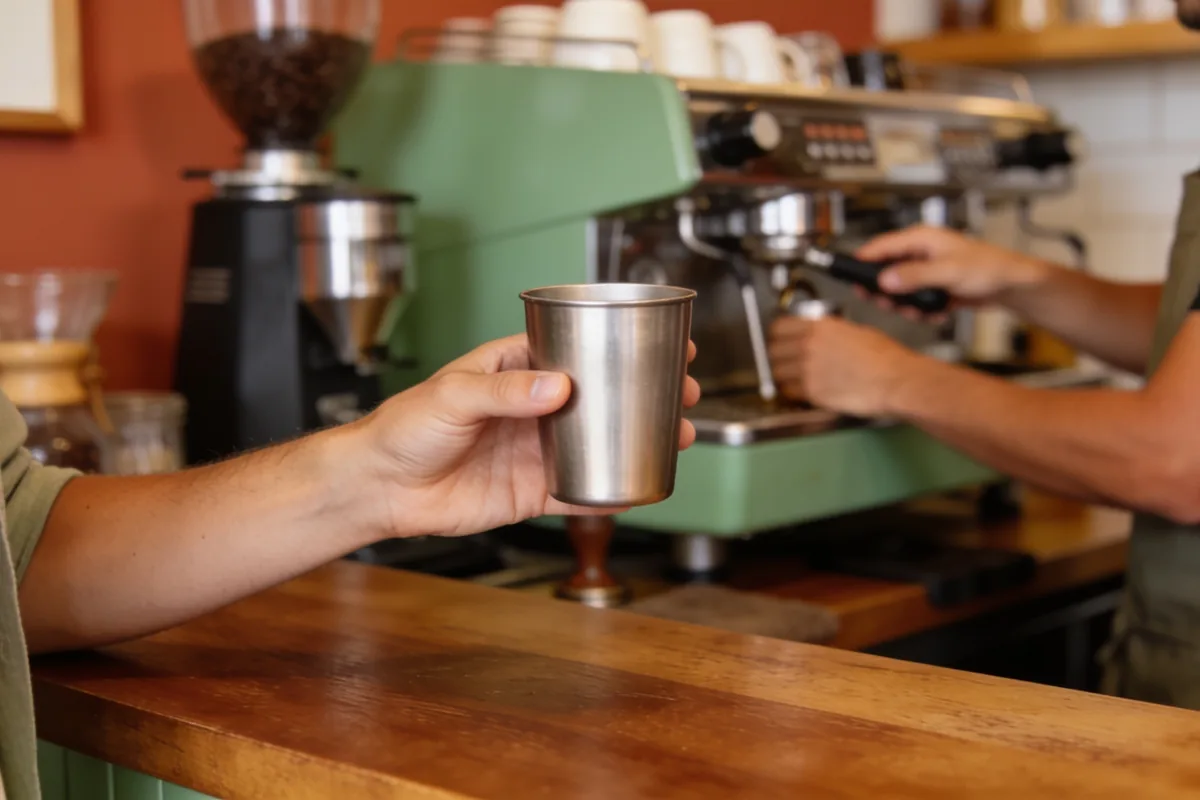
If your cupboard holds a collection of reusable coffee cups that rarely make it to the café, you are in good company. It is not a lack of commitment. It is a sign that none of them quite fits your routine yet. This guide is about picking the one cup that will actually leave the house with you, and building the habit without turning it into a chore.
Why the switch is worth it
Most takeaway coffee cups are paper on the outside but lined with a thin layer of plastic to stop the drink leaking through. That lining is what makes them awkward to recycle in the standard kerbside bin, which is why so many end up as waste rather than being recycled. That is an environmental reason to switch, and it stands on its own.
You may have come across worrying claims about hot drinks in plastic-lined cups. You do not need to settle that debate to make this change. A reusable cup is worth it for the waste it avoids, and that reason holds either way.
Choose a cup for the way you actually drink coffee
There is no single best material. The right one is the one that fits your day, and knowing the trade-offs makes the choice easier.
Stainless steel is durable and keeps drinks hot for a long time, which makes it a strong commuter choice. The downsides are that you cannot see your drink and the cup can feel heavy.
Glass looks nice, lets you see what is inside and does not change the taste. It is more fragile, and unless it is double-walled it can get too hot to hold comfortably.
Ceramic is pleasant to drink from and suits a desk or a café where you can sit in. It is heavier and more fragile, so it is not the easiest thing to carry around all day.
Bamboo and other plant-fibre cups are light and have a natural feel, but their working life tends to be shorter, so check how long the cup is meant to last before you choose one. Whichever material you pick, a reusable cup only earns its keep by being used many times.
What to look for beyond the material
A few practical details matter more than the colour or the brand. Look for a lid that seals properly, because a cup that leaks in your bag is a cup you will stop carrying. Check that the size fits under the coffee machine at your local café; a cup that is too tall is a problem for the barista and for you. If you drink slowly or travel, insulation keeps the coffee hot for longer. And if you are not someone who enjoys hand-washing, make sure the cup is dishwasher-safe, or it will quietly stay in the cupboard.
How to build the habit
Getting the habit right matters more than the cup you choose. Keep your cup washed and somewhere visible, by the door, in the car or on your desk, so it becomes part of your leaving-the-house routine rather than an extra thing to remember. Some cafés offer a small discount when you bring your own cup, which is a gentle nudge on the days you would otherwise forget.
And when you do forget, be kind to yourself. One missed day is not a failed project. The goal is a habit that mostly holds, not a perfect record.
The cup in your hand
The most eco-friendly coffee cup is the one that is actually in your hand on the way to the café. Choose something you genuinely like, keep it where you will see it, and let the habit build slowly. That is how a good intention becomes an ordinary part of your day.







You must be logged in to post a comment Login