
Eco Friendly
Feeding Your Baby Without Plastic: Breastfeeding and Bottle-Feeding Swaps


However you feed your baby, you have probably wondered about the plastic involved. This is not a piece about which way you should feed, and it is not a comparison of breastfeeding with bottle feeding. That choice belongs to you and your family, and it is already the right one. What follows are simple swaps for cutting plastic out of the feeding routine, whichever route you take.
How you feed is your business
Mums get enough pressure without a blog adding to it. Whether you breastfeed, bottle feed, express, use formula or mix a few of these, the same idea applies: small changes that reduce single-use and hard plastic, done at your pace. A little less plastic is still less plastic, and it does not have to be perfect to be worth doing.
Bottles and teats
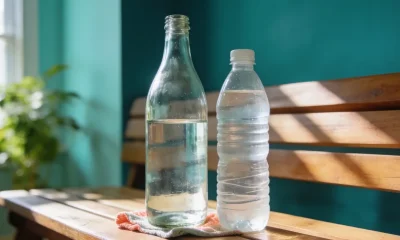
Plenty of feeding bottles are made from clear plastic, and plenty of parents choose to move at least some feeds to glass or stainless steel. Glass is easy to clean and sterilise, and a silicone sleeve protects it if drops worry you. Stainless steel bottles are tougher again and keep milk at temperature, which makes them handy away from home. The teats are usually silicone or latex rather than hard plastic, so there is often less to change there. You do not need to replace everything at once. Swapping in one or two glass or steel bottles for the feeds where they suit you is a fine start.
Storing breast milk
If you express, storage is a chance to skip plastic. Breast milk keeps well in glass jars or containers made for freezing, and reusable silicone milk bags are another option that many parents find easier to stack and thaw than rigid containers. Leave a little room at the top of anything you freeze, because milk expands as it freezes, and label everything with the date. Follow the usual guidance for how long expressed milk keeps, whatever you store it in.
Pump parts and nursing pads
Many breast pumps already use silicone parts, which most parents prefer to the older clear plastic flanges. If yours does, keep using them and replace them on the schedule the manufacturer recommends, because worn parts lose suction. For leaks, reusable cloth nursing pads are a simple swap for the disposable kind, which are often plastic-backed. They wash well and last for years, and they are kinder to your wallet over time too.
Formula on the go
If you use formula, the scoop inside the tin is plastic and hard to avoid, so do not worry about it. The real choice is the container you carry powder in. A stainless steel or glass formula dispenser, or small refillable containers, keeps you from reaching for single-use plastic tubs when you are out. Some parents find a measured amount of powder in a dispenser, plus a thermos of hot water, the easiest way to make a bottle away from home.
What “BPA free” does and does not tell you
You will see “BPA free” on a lot of feeding products, and it is a fair thing to look for. Australian rules already restrict BPA in babies’ bottles, so the clear plastic bottle you buy here meets that standard. The limitation is that BPA is only one compound used in plastics, which is why some parents choose glass or steel for feeds where the milk or formula is warm. Plastics can behave differently as they heat, and a warm feed sits against the container for a while. That is a preference rather than a judgement on anyone else’s choice. If reducing plastic is your aim, starting with the warm feeds is the simplest place to focus.
A gentler way to think about it
None of this needs to happen at once, and none of it needs to be perfect. Start with the swap that feels easiest, whether that is a glass bottle for the middle-of-the-night feed, a cloth nursing pad or a steel dispenser for the nappy bag. Feeding your baby is already a full-time job. Cutting plastic should sit lightly on top of it, not become another thing to get right.
The same gradual approach works beyond the nursery. Our guide to going plastic free at home covers the swaps that actually stick.








You must be logged in to post a comment Login