
Eco Friendly
Plastic-Free Sunscreen in Australia: How to Pick One You’ll Actually Reapply

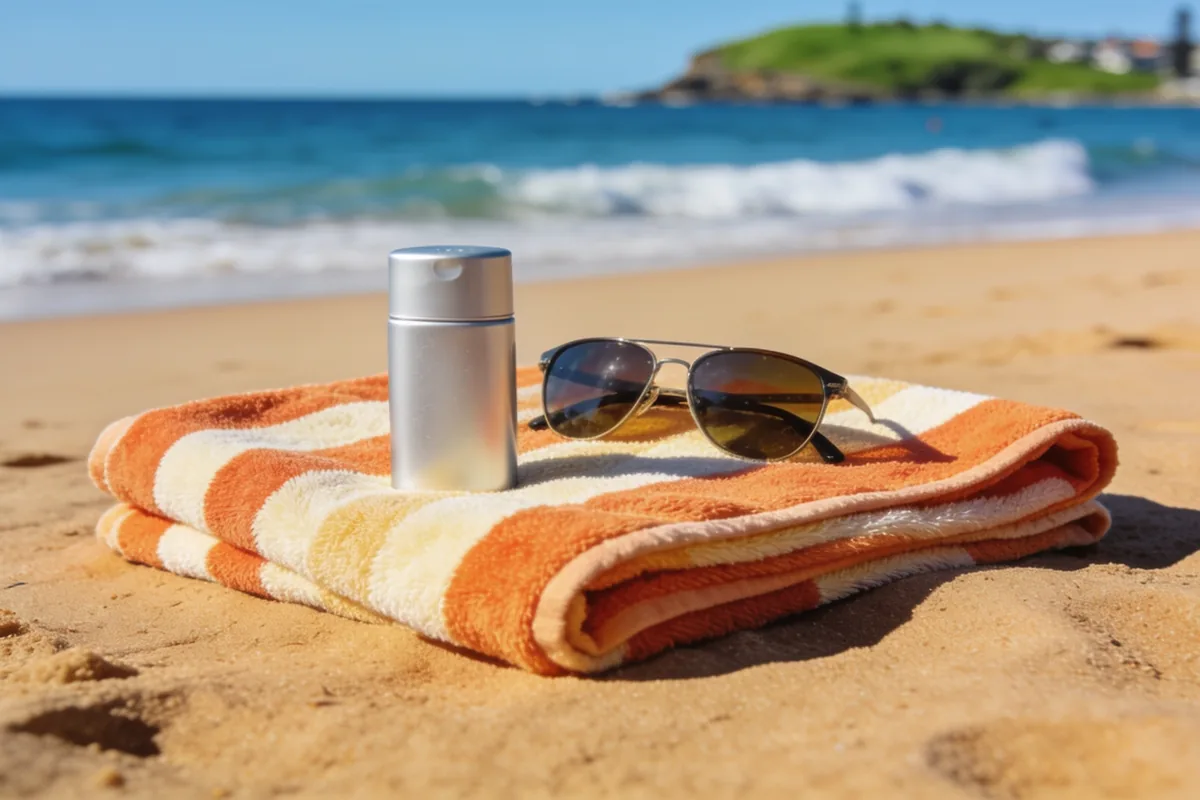
Most advice about plastic-free sunscreen stops at the packaging. That is the easy part. The harder part is you. A sunscreen you hate the feel of will not get used, and one that never gets used protects nobody. Start there, and the packaging question becomes almost simple.
What “plastic free” actually means
The marketing skips one detail. “Plastic free” describes the container, not the sunscreen inside it. A plastic-free sunscreen still contains sunscreen ingredients, and some of those ingredients are made in a chemical plant rather than grown in a field. If your goal is fewer plastic tubes in landfill, good. If you were hoping for a product with no petroleum anywhere in it, read the ingredient list before you celebrate the packaging.
The tube is not the whole story either. Some tubes that look like metal are actually plastic with a metallic coating, and true metal tubes are not accepted by every kerbside recycling service. Glass jars recycle well, but they are heavy and awkward to carry. A tin of thick balm sounds lovely until you are at the beach trying to put an even layer on your own back. “Recyclable” and “plastic free” are claims, not guarantees. Check what your local council actually collects.
The ingredient argument, in plain terms
The “reef safe” label gets thrown around loosely. It refers to the active ingredients, not the tube. A sunscreen can be marketed as reef friendly and still sit in plastic. If that matters to you, read the active ingredients and make your own call instead of trusting a coral logo.
In Australia, sunscreen is regulated as a therapeutic good, so the SPF figure on the label has been tested against a set standard. That is worth more than a hundred marketing adjectives. Broad-spectrum SPF50+ is the sensible starting point for most Australian days, but the number only helps if the sunscreen actually goes on your skin.
Texture wins over theory
Most people skip the texture test and regret it a fortnight later. Sunscreen only works when you apply enough and reapply through the day. If a product feels thick, chalky or greasy, you will use less of it, and you will stop reapplying by the second week. A plastic-free sunscreen in beautiful packaging that you use once is a worse outcome than a conventional tube you finish and replace.
So test the texture before you commit to a full tube or a whole routine. Several plastic-free sunscreens are zinc-based and sit on top of the skin. They suit some people and drive others mad. There is no right answer for everyone, only the honest one about what you will tolerate every single day.
Test it where you will actually wear it. The back of the hand is a poor guide, because a sunscreen can feel fine there and sit completely differently across the nose and shoulders on a warm day. If a brand sells a small size or a sample, that is the smart place to start.
Buy for the behaviour you can keep
A few practical rules cut through the noise. Buy broad-spectrum SPF50+. Choose a format you will actually use: a tube you can squeeze one-handed beats a jar you have to dig into. Keep a spare somewhere visible, by the door or in your work bag, because sunscreen that is out of sight is out of mind. And when the tube is empty, check what your council recycles and put the packaging in the right bin.
Australian brands sell plastic-free sunscreen in tins, tubes and jars, so you are not choosing between supporting local makers and cutting plastic. You are choosing between products that all claim to be good for the planet and the one you will still be wearing in March. Pick the SPF and the format you will reapply, keep it where you can see it, and recycle the empty tube properly. That routine does more than any label.
Sources: Therapeutic Goods Administration, tga.gov.au (regulation of sunscreens as therapeutic goods in Australia).







You must be logged in to post a comment Login