Eco Friendly
Going Plastic Free at Home: The Swaps That Actually Stick

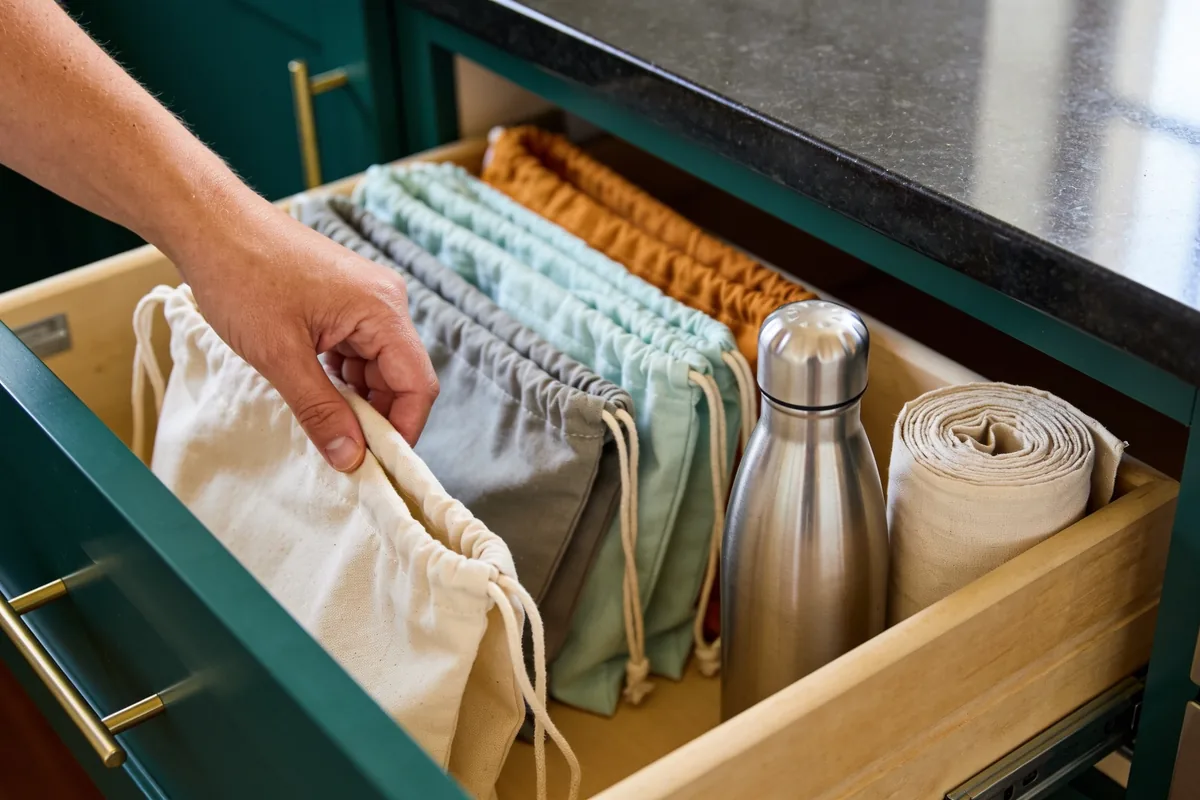
The drawer under the kitchen bench tells the whole story. Shopping bags stuffed inside other shopping bags. A tower of takeaway containers with no lids. A box of plastic straws bought for a party two years ago, still half full. You stand there one evening, hands on hips, and the same thought arrives: something has to change. Then the practical part of your brain asks the obvious question. Where do you even start?
The honest answer is that nobody goes plastic free in a weekend. The people who make it work do it one swap at a time, and the swaps that stick are the ones that fit the life you actually live, not the one you imagine for yourself.
Start where the plastic shows up
The easiest place to begin is the thing you touch most days. For a lot of households that is the shopping bag. Buy a few sturdy reusable bags, or use the ones you already own, and put them somewhere you will remember: by the front door, in the car, on the hook where you keep your keys. The bag you can grab on the way out is the bag that gets used. The ones folded neatly in the cupboard are the ones you forget.
The water bottle that travels
A refillable bottle works the same way. The trick is not to buy the fanciest one. It is to buy one you like carrying and keep it where you will see it. On your desk, in your bag, in the car. If you buy a drink on the way to work, a bottle that lives in your bag means the habit is already handled before you think about it.
Bathroom swaps happen when the bottle runs out
The bathroom is where well-meaning plastic-free plans go to die, usually because someone buys a whole new set of products at once and then feels guilty when half of them sit unused. There is a gentler way. When the shampoo bottle runs out, replace it with a bar. When the hand soap runs out, try a refill. Using up what you already have is not failure. It is common sense, and it spreads the cost out too.
The cleaning cupboard
The cleaning cupboard is another quiet win. Instead of a different plastic bottle for every surface, a few simple things can do most of the work. Reusable cloths take the place of single-use wipes. Refill concentrates, where your local shop carries them, cut down the number of new bottles you bring home. You do not need to replace the whole cupboard in one go.
Skip the swaps you will not keep
It is tempting to buy a full kit of bamboo everything and feel virtuous for a week, then let it gather dust. The straws are the classic example. If you do not use straws, you do not need reusable straws. A swap only counts once it becomes ordinary, and an ordinary swap is one you no longer have to think about.
One change beats ten intentions
If you are not sure where to begin, look in your bin at the end of a normal week. Whatever shows up most often is your answer. For one household that is the drink bottles. For another it is the snack packets, the produce bags or the bin liner itself. Start with the biggest thing you can actually change, not the most impressive one.
The drawer, a year later
The drawer does not become perfect. A year on it is simply different. The reusable bags are folded where you can grab them. The odd containers have found lids, or gone to better homes. There are still plastic things in the house, because there always are, but they no longer feel like the whole story. That is the real goal: not a spotless home with no plastic in sight, but a set of habits you can live with, that quietly add up.








You must be logged in to post a comment Login