Eco Friendly
Glass vs Plastic Bottles: Which Is Better for You and the Planet?

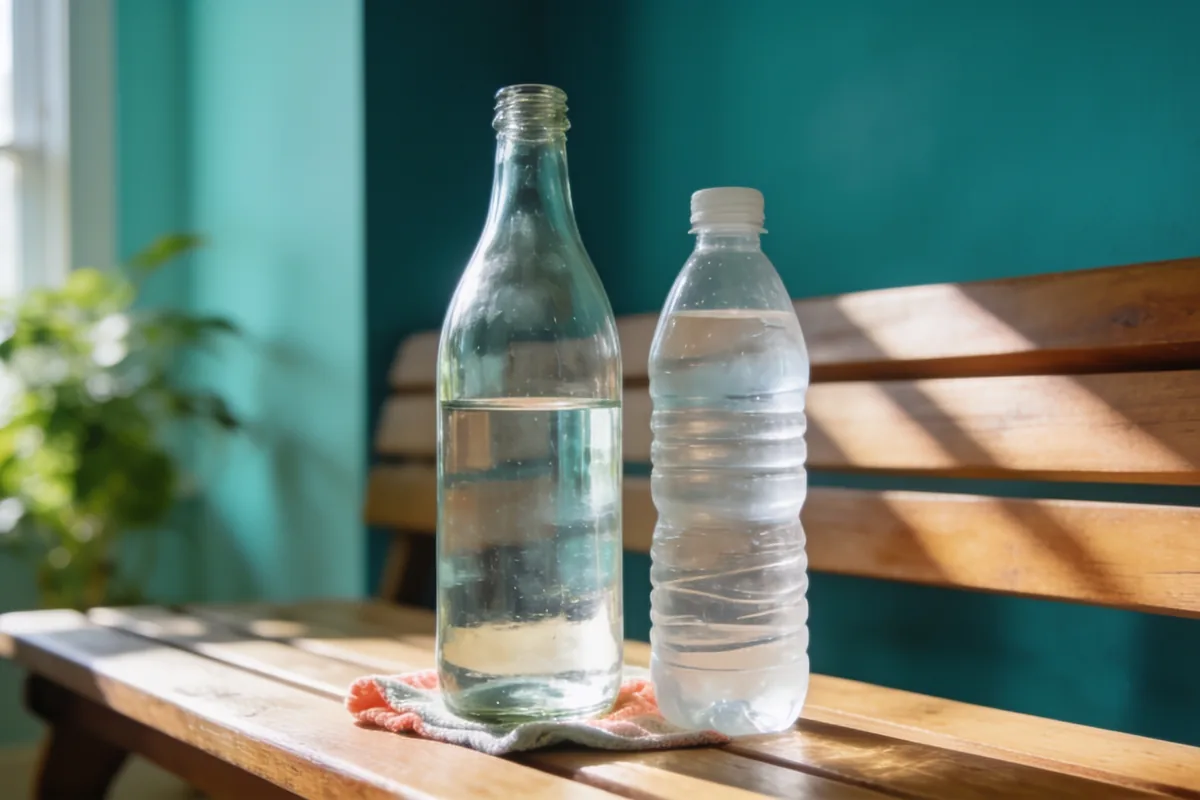
If you buy bottled drinks, you have probably stood in the aisle weighing a plastic bottle against a glass one and choosing on habit or price. The glass version usually costs a little more and feels nicer to hold, but is it genuinely better for you and the environment? The honest answer is that it depends on how you use it. Understanding the trade-offs makes the choice a lot easier.
What your drink sits in
Glass is made from natural materials and does not leach anything into what you drink. It is non-porous, so it will not hold onto the flavour of a previous drink, and it contains no plasticisers. That is one of the main reasons people reach for it when they want water and juice to taste clean.
Plastic is different. Most single-use bottles are made from PET, which is perfectly fine for one drink, but concerns tend to creep in when a bottle is reused many times, left in a hot car or exposed to heat. Over time, tiny amounts of chemicals can migrate into the liquid. The risk is debated and it is small, but it is a reason many families prefer glass for daily use.
The environmental trade-off
Here the simple story gets complicated. Glass can be recycled again and again without losing quality. A glass bottle that goes into the recycling bin can become another glass bottle, which is more than most plastics can claim. Plastic bottles, by contrast, do not break down the way organic material does. They persist for a very long time, gradually fragmenting into smaller and smaller pieces that linger as microplastics in the environment.
But glass has a hidden cost. It is heavy, so moving it around uses more fuel and creates more emissions than shipping the same amount of drink in lightweight plastic. A single-use glass bottle that is thrown away after one drink is not automatically greener than a plastic one. The environmental win comes from glass being reused and recycled rather than treated as disposable.
What to do with it here in Australia
Most states and territories run container deposit schemes, where you return eligible drink containers and receive a small refund, usually ten cents. Glass bottles and many plastic bottles are included, so the empties actually have value and are worth returning rather than binning. When a bottle does end up in the wrong place, the two materials age differently. Glass does not decompose; it fragments and eventually weathers down into sand-like particles. Plastic simply persists, which is why littered plastic bottles are such a long-lived problem.
Making the swap that sticks
The best choice is not whichever material makes you feel most virtuous in the shop. It is the bottle you will actually reuse. A sturdy glass bottle that you refill with tap water every day quickly becomes a better option than a single-use glass or plastic bottle. If you do buy single-use, favour glass when you are at home and able to return it to the scheme, and steer clear of leaving plastic bottles in hot places if you plan to reuse them.
A few small habits make the decision easier to live with. None of them are difficult, and they all work better when they become ordinary rather than a project.
- Carry a refillable glass or steel bottle for everyday water.
- Return eligible bottles to your local container deposit collection point.
- Rinse glass bottles before recycling so they do not spoil the batch.
- If you buy plastic, treat it as single-use and recycle it rather than refilling it for months on end.
You do not have to make the perfect choice every time. Choosing the bottle you will reuse, and returning the ones you do not, does more for the planet than buying glass once and binning it. And for taste and peace of mind, glass is a lovely everyday companion.
Sources: Clean Up Australia (cleanup.org.au); United Nations Environment Programme (unep.org); Planet Ark, Recycling Near You (recyclingnearyou.com.au); Western Australian Government (wa.gov.au).