
Healthcare
Wooden or Plastic Toys for Babies: Which Is Better for Their Health?

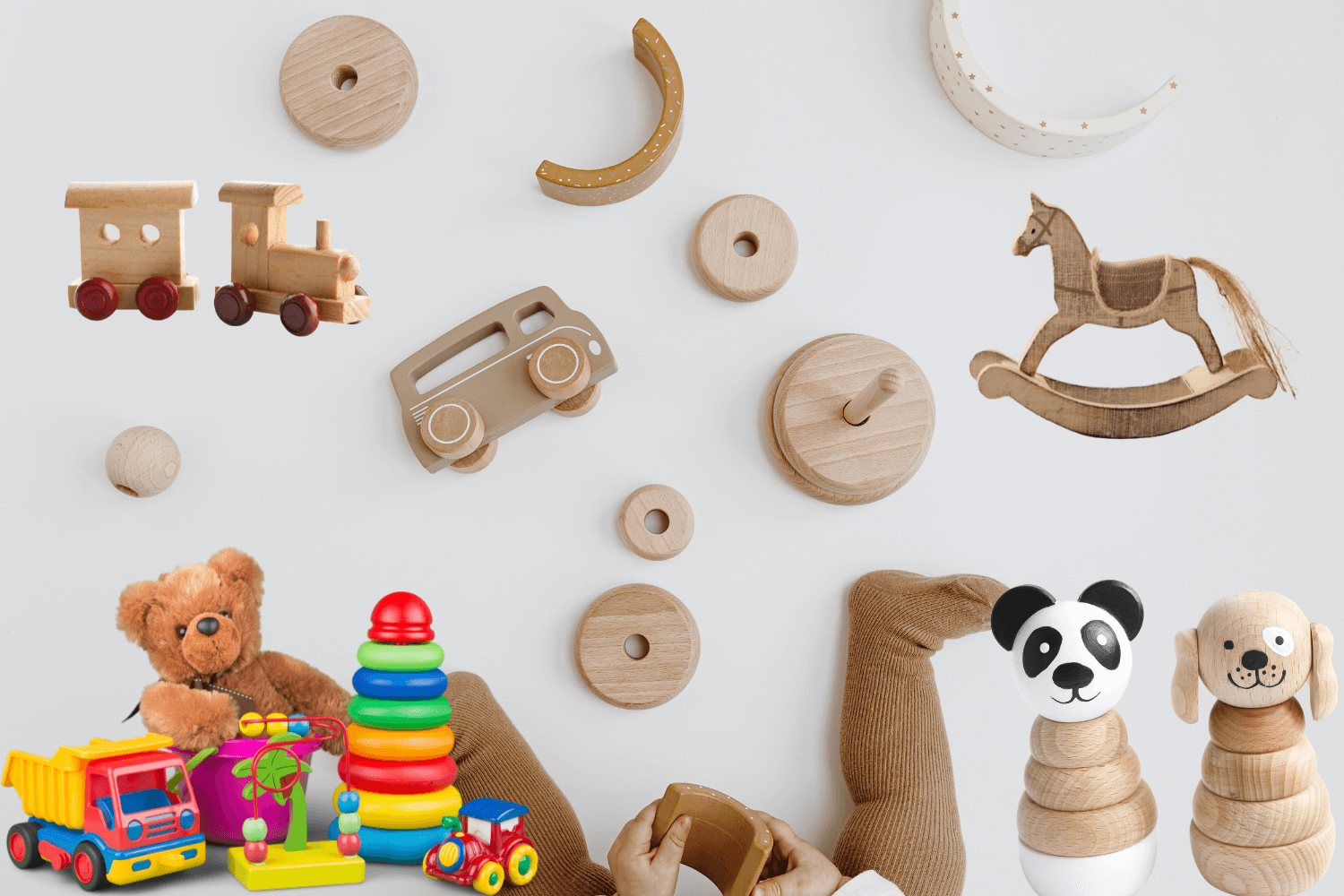
At eight months, everything goes in the mouth, and the red plastic ring was no exception. It disappeared, got gummed, came out shiny and went straight back in. Her mother turned the toy over and read the underside: a brand name, a CE mark and a small line saying the plastic was BPA free. Then she looked at the wooden blocks sitting in the same toy box and wondered, not for the first time, whether she should have bought only wood.
It is the question every parent circles back to. Is one material actually better for a baby’s health, or is that a feeling dressed up as a fact? The honest answer is that both can be fine and both can be a problem, and the specific toy matters more than the material it is made from.
What “wooden” really means
A solid wooden block from a maker who uses food-safe or non-toxic finishes is about as simple as a toy gets. It has weight, it feels warm, it clunks satisfyingly when dropped, and it can survive years of play, which is why wooden toys get handed down.
But not everything labelled wooden is the same. Cheap painted wood can chip, and some wooden toys are really wood-look pieces made from layers glued and finished with who knows what. The word “wooden” on the box is a starting point, not a guarantee. If you can, hold it, smell it and run a finger over the finish. A good one feels smooth and smells like wood, not like solvent.
What plastic really means
Plastic toys are the opposite: endlessly varied, and the label is where the difference shows. A well-made plastic toy from a reputable brand, marked BPA free, PVC free and lead free, is a different thing from a flimsy identical-looking version sold without any of those marks.
The letters matter. BPA, PVC and lead are the ones parents are told to look for, and the absence of them on a label is worth something. So is a recognised safety mark. The CE mark and the ASTM F963 standard are two you will see on toys that have been tested against safety requirements, and they are a more useful guide than the material alone.
Durability and safety
Wood lasts, which is a genuine plus. It does not bend or crack the way thin plastic can, and it does not shed small brittle pieces. But wood can splinter if it is knocked hard enough, and it is heavy, which matters when a baby is learning to throw.
Plastic is lighter and easier to clean, which is why so much of it lives in toy boxes and high chairs. The risk with cheap plastic is not the material itself so much as what happens to it: thin parts that snap off, edges that rough up, small pieces that break loose. Whatever the toy is made of, check it regularly and take it away once it starts to fall apart.
What a baby actually needs
For a baby, the toy is the experience, and experience needs variety. A wooden rattle feels different from a plastic one. A soft fabric block feels different from a wooden cube. Babies learn through those differences, so a mix of materials is not a compromise, it is the point.
Age matters more than material. For a baby who still mouths everything, choose toys that are too big to swallow, with no small detachable parts, whatever they are made of. For a toddler who is past the mouthing stage, durability and washability start to matter more. The right toy for a nine-month-old is not the same as the right toy for a two-year-old, and neither decision is really about wood versus plastic.
The long game
That mother in the toy aisle is not going to find a perfect answer, because there is not one material that is always best. There are well-made wooden toys and well-made plastic toys, and there are cheap versions of both that are best left on the shelf. Read the label, look for the safety marks, choose toys that match your child’s age, and check them as they wear. A toy that is safe, well made and loved will always beat one chosen purely on the material stamped on the box.
She put the ring back in the toy box in the end, next to the blocks. Both of them were going to get chewed on anyway, and that was exactly what they were for.
Sources: Healthy Child, Healthy World (healthychild.org); American Academy of Pediatrics.


