Healthcare
SIL Funding Explained: What Supported Independent Living Covers and How to Choose a Provider

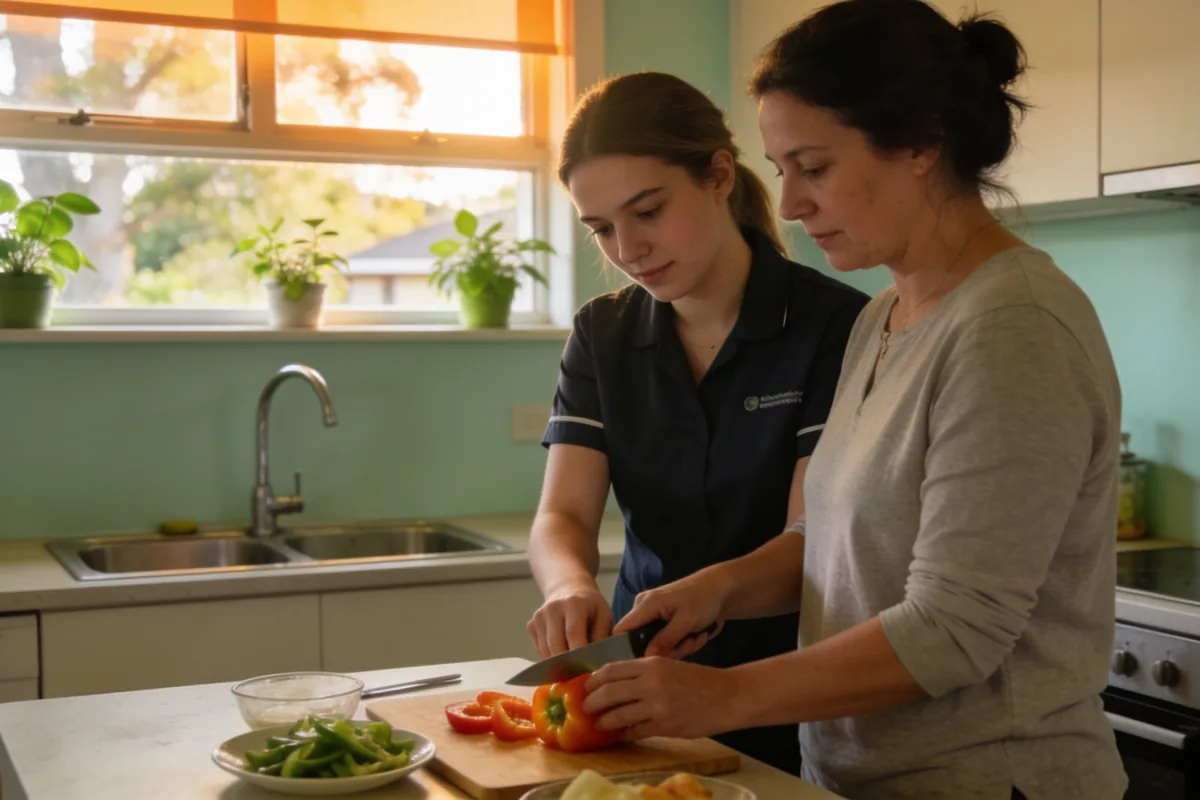
Supported Independent Living, known as SIL, is one of the more widely misunderstood supports in the National Disability Insurance Scheme. This guide explains what the funding covers, what it does not cover, how SIL differs from related supports, and the questions a participant or family should put to a provider before signing a service agreement.
What SIL is for
SIL funds the help a person needs to live as independently as possible. It is most often delivered in a home shared with other participants, and it can in some cases be delivered in a home the person occupies alone. The support is provided by paid staff and typically covers daily tasks such as personal care, preparing meals, household chores, support to manage medication and the supervision some people need at various points across the day and night.
The aim is not for staff to do everything for the person. It is to provide enough support that the person can run their own life, build skills over time and take part in their community. The level of support is individual and is worked out from the person’s assessed needs.
What SIL does not cover
SIL is funding for support, not for the costs of living. Rent, food, utilities and the other everyday expenses of a household are not paid from SIL funding. Those are met by the participant from their own income, in the same way any household meets them. SIL also does not cover medical treatment, allied health therapy or the cost of the building itself.
This is the boundary most often misunderstood. When a plan is being set, it helps to be clear about which items in a shared home are support costs and which are ordinary living costs, because the two are funded from different places.
How SIL differs from SDA
SIL is frequently discussed alongside Specialist Disability Accommodation, or SDA, and the two are easily confused because they often appear in the same plan.
SDA pays for the home. It funds the capital cost of specialist housing for participants with extreme functional impairment or very high support needs, where the design of the dwelling is part of the support. SIL pays for the care and assistance delivered inside a home. A participant may receive SIL in a house that is not SDA, and the two forms of funding are assessed separately. Establishing which of the two is being discussed is the first step in any conversation about housing and support.
How SIL differs from home care
SIL also differs from supports delivered in a person’s own home. A participant who lives in their own house or unit and receives visits from a support worker for set hours each week is receiving daily living supports, not SIL. SIL applies where the person needs a high level of support across the day and night, usually in a shared arrangement, and where that need is ongoing rather than occasional.
The distinction matters for older Australians as well. Ongoing support at home for people past working age is generally arranged through the aged care system rather than the NDIS, so a person approaching that stage of life should be looking at the scheme that fits their situation.
How the funding is set
SIL is not a set amount that any participant can claim. It is assessed during the planning process, when the participant, their family and the planner work through an ordinary week and the support required to live it. The funding must meet the reasonable and necessary test that applies across the NDIS, and it is provided only where the person genuinely needs the level of help that shared supported living involves.
Because the rules sit inside the wider structure of NDIS budgets, a participant who wants the full picture of how the scheme’s funding is organised can read this guide to the Core, Capacity Building and Capital support budgets.
Questions to ask a provider
Before signing a service agreement with a SIL provider, a participant or family should be satisfied on several practical points.
Whether the provider is registered with the NDIS Quality and Safeguards Commission, and whether it can show how it meets the NDIS Practice Standards. How staff are trained, and whether the same workers will be there consistently rather than a rotating list of unfamiliar faces. How medication, medical appointments and any behaviour support requirements are managed. How the person will be matched with housemates, and whether they can visit the home and meet the team before deciding. What the service agreement says about fees, notice periods, cancellations and how complaints are handled. Whether the provider will work with the participant’s plan manager or support coordinator.
None of these questions is hostile. A good provider will answer them readily and in plain language, and the agreement should then put the answers in writing.
A decision recorded in the plan
SIL is significant funding and a significant change of living arrangement. It works well when the support level in the plan matches the person’s real needs, when the boundary between support costs and living costs is clear, and when the participant has chosen a provider they trust. Taking time on each of those decisions, and getting the answers in writing, is what separates a placement that simply exists from one that supports a genuinely independent life.
Sources: National Disability Insurance Scheme (ndis.gov.au) · NDIS Quality and Safeguards Commission (ndiscommission.gov.au)