Healthcare
How SIL Providers Boost Independence at Home


Supported Independent Living, usually shortened to SIL, is a form of help funded through the NDIS for people with significant disability who need support with daily tasks while living in their own home. The goal is not to do things for a person, but to give that person enough support to run their day as independently as possible. A SIL provider supplies the staffing and the structure that makes that possible, and the quality of that support has a direct effect on how much independence a person actually gains.
Personalised daily assistance
Daily tasks look different for every person, so SIL support is arranged around individual need rather than a fixed list of chores. Assistance can cover personal care, meal preparation, household tasks and medication prompts, with the level of help matched to what the person can manage on their own. The point of the arrangement is that the person stays in control of their life while the support fills the gaps they cannot manage alone.
Building everyday skills
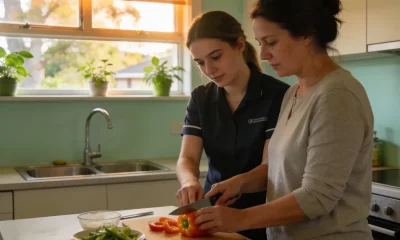
SIL is as much about building skills as it is about providing care. A good provider works alongside the person, showing and encouraging rather than simply taking over. Cooking, budgeting, using public transport and managing a household are all things a person can learn with the right support, and each skill gained reduces how much help they need over time. That long-term direction is what separates SIL from short-term care.
A safe and stable living environment
For many people, living independently is only realistic when the home itself is safe and the support around it is reliable. Providers help set up routines around medication, appointments and household safety, and they put in place the consistency that makes an ordinary day feel manageable. A stable environment, where the same expectations apply from one day to the next, gives a person the confidence to take on more.
Growing social confidence
Living alone or in a shared arrangement can be isolating, and loneliness undoes a lot of the benefit of independent living. SIL support often includes help to get out into the community, to maintain friendships and to take part in local activities. Over time this builds the social confidence that makes a home feel like a life, rather than just a place to stay.
Consistent, reliable support
The value of SIL depends heavily on consistency. When support workers change constantly, a person has to rebuild trust and explain their needs again from the start. Providers that keep the same staff, or that hand over properly between shifts, give the person a settled base to work from. Reliability in the small things, showing up on time and doing what was agreed, is what makes the bigger goals achievable.
What to look for in a provider
Because SIL is arranged around an individual, the right provider depends on the person’s needs, goals and preferred way of living. It is worth asking how a provider matches staff, how they handle changes to a support plan and how they involve the person and their family in decisions. The NDIS plan sets the funding, and the provider should be able to explain clearly how that funding translates into the hours and types of support on offer. A provider that listens before it advises is more likely to build the kind of support that actually increases independence.
The measure of good SIL support is simple: over time, the person needs less help with the things that matter to them, not more. Providers that keep that aim in view are the ones worth staying with.