
Eco Friendly
Plastic-Free Phone Cases: What to Look For in a Case That Lasts

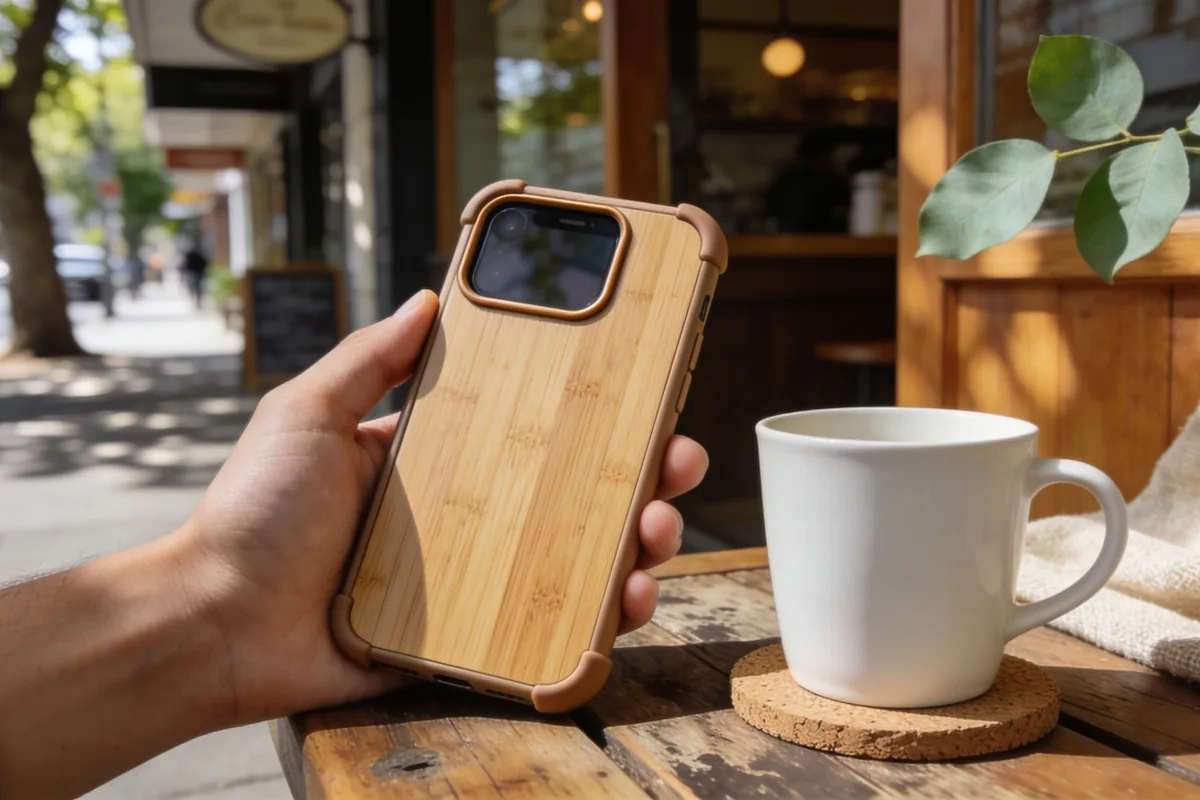
The phone hits the footpath corner first. There is a sound every phone owner knows, the quick crack of something landing the wrong way, and then the slow dread of turning it over. The screen is fine. The case has a split down one corner like a fault line. It did its job, which is exactly when you start to wonder what it was made of, and what happens to it now.
Most people choose a phone case by how it looks in the first ten seconds. You hold it up, run a thumb over the back, drop it in the basket. The material question only surfaces later, usually on the day the case breaks and you realise the next one will probably go the same way, and the one after that. If you are trying to go plastic free at home, the phone case is a strange little puzzle, because the greenest-looking option is not always the one that does the least harm.
Start with how long it will last
A case that survives a year and a half is already a more sustainable purchase than one that shatters after six weeks, whatever it is made of. Drop protection comes from the corners, the bumper, and the lip that sits above the screen. A thin shell can look elegant on the shelf, but it does not absorb much of a fall. Look for raised edges around the screen and camera, and some give in the corners. If a case does not look as though it would survive your actual week, its materials do not matter.
Read the materials twice
This is where “plastic free” gets complicated. Bamboo and cork cases usually pair a natural back panel with a plastic or rubber frame, because the natural material alone will not survive many drops. That frame is doing the protecting, so a case can look like wood and still be mostly polymer underneath. Read the materials list before you trust the photograph.
Recycled plastic is a different story. A case made from recycled plastic is still plastic, but it keeps existing material in circulation instead of pulling new plastic into production. Between a recycled-plastic case and a vague “biodegradable” one, the recycled option is often the more honest choice.
Compostable cases are the ones to check closely. Many bioplastics only break down in commercial composting facilities, which most households never get near, and they behave like ordinary plastic once they reach a landfill bin. If the box says compostable, find out what conditions the case needs. Claims that stop at the label are a sign the packaging is doing more work than the product.
Trust the red flags
A few phrases should make you pause. “Biodegradable” on its own tells you very little, because everything breaks down eventually and the time frame is what counts. Marketing that talks about how green the case looks rather than how well it guards the phone has the priorities backwards. And a material described only by what it is made from, never by how the case is put together, usually has a component in the middle it would rather not name.
The case you keep
The honest measure is a simple one. A case you are still using in a year beats one that sits in a drawer. Choose something with real corner protection, a grip that will not slide out of your hand, and a material story you can follow from the listing to the bin. When it finally does break, check whether the maker takes old cases back or explains how to recycle them properly.
The best plastic-free phone case is the one still on your phone, doing its job, long after the prettiest packaging story has faded.







You must be logged in to post a comment Login