
Financial
Tax Time for Laverton’s Sole Traders: When Doing It Yourself Stops Paying

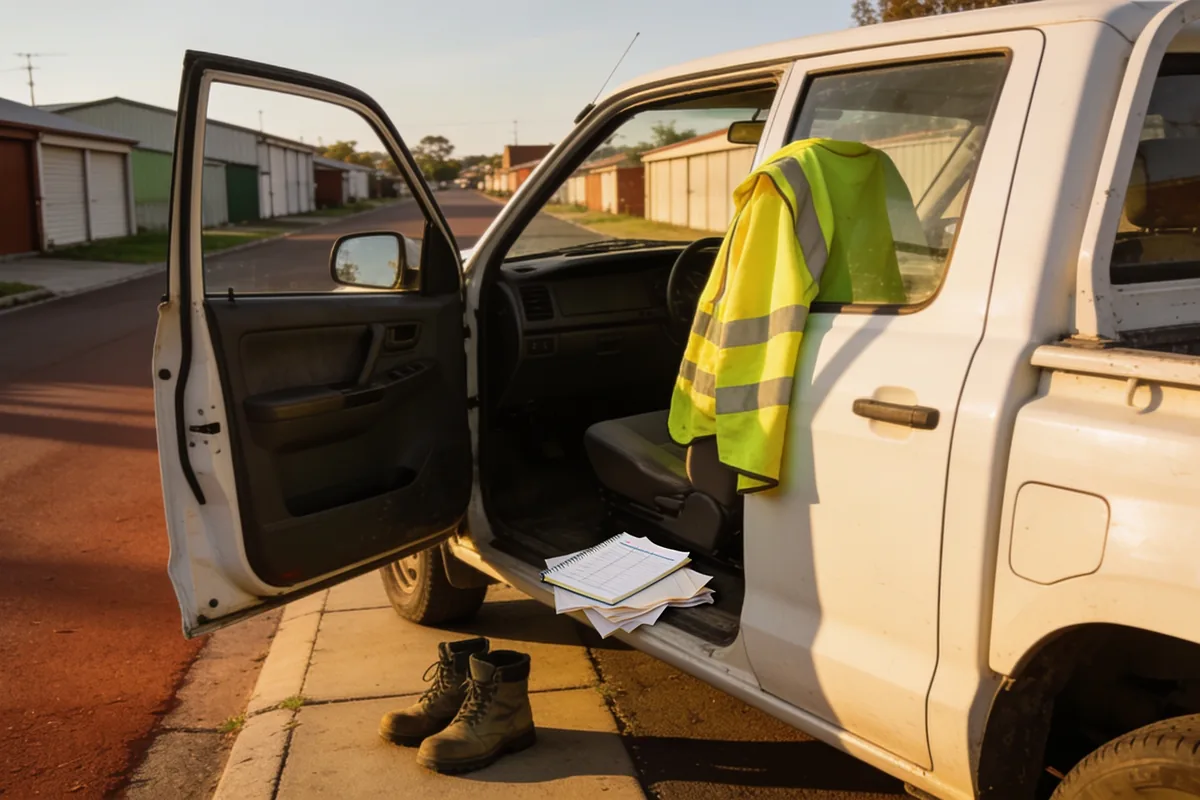
The logbook has been in the glovebox since January, untouched. For a lot of Laverton’s sole traders that is the whole problem in miniature: the work gets done, and the paperwork waits until someone has to look at it.
Laverton’s business base runs on trades. Sparkies, plumbers, concreters and the mobile mechanics working out of the industrial streets near the airfield. Most of them started doing their own tax because it seemed simple, and for the first year or two it was. Then the job list grew, and what used to take an evening turned into a weekend.
The paperwork that follows a trade
The thing that surprises most sole traders is how much of the year is paperwork, not just the return in July and August.
If you are registered for GST, a business activity statement arrives every three months. That means tracking what you billed, what you claimed and what you owe, on a schedule that does not care how busy the work is.
Then there is the vehicle. For a tradie the ute is usually the biggest deduction in the business, and it is also the easiest to get wrong. Claiming it properly means keeping a logbook for a continuous period of at least 12 weeks to establish the business use percentage, then applying that figure to the running costs. No logbook means no reliable number, and a guessed percentage is exactly the sort of thing the ATO notices.
Add the tools, the protective gear, the insurance, the phone and the materials, and a straightforward year stops looking so straightforward.
The point where DIY stops paying
Doing your own tax is not a moral failing. For the first year or two it can be the right call, when the sums are small, the deductions are obvious and the forms are manageable.
The balance tips when the signs start stacking up. You are not sure what you can claim, so you stop claiming things you are probably entitled to. You are behind on the paperwork, so the return gets done in a rush. The evenings you lose to it are the ones you would rather spend on the tools or with the family.
There is a fourth sign that is easy to miss. When you start avoiding the tax conversation entirely, because you suspect you have missed something and would rather not know, the DIY approach has stopped paying.
What a registered tax agent changes
A registered tax agent does more than fill in the form. They know what is claimable in a trade, so they will often find deductions you had not thought of. They carry the deadlines, which takes the pressure off a rushed week in July. And because they are registered with the Tax Practitioners Board, their work comes with a layer of protection: if you have given them everything and they have taken reasonable care, you are generally not penalised if a mistake slips through.
That last point is worth sitting with. For a sole trader who has been guessing, the value of an agent is not the form filling. It is the buffer between a busy year and a costly mistake.
Whether you stay a sole trader or eventually move to a company is a separate decision, and it is driven more by liability than by tax. If that question is on your mind, the difference between the two structures is worth reading before you decide anything about your return.
The turning point
For Laverton’s sole traders, tax time is not one week in July. It is the GST statements through the year, the logbook that never quite gets finished and the stack of receipts growing in the glovebox. Doing it yourself makes sense while it stays simple. Once you are guessing and rushing, a registered tax agent is usually the cheaper option, and it is not close.











You must be logged in to post a comment Login