
Financial
GST vs No GST: What’s Actually Cheaper for Australian Shoppers?

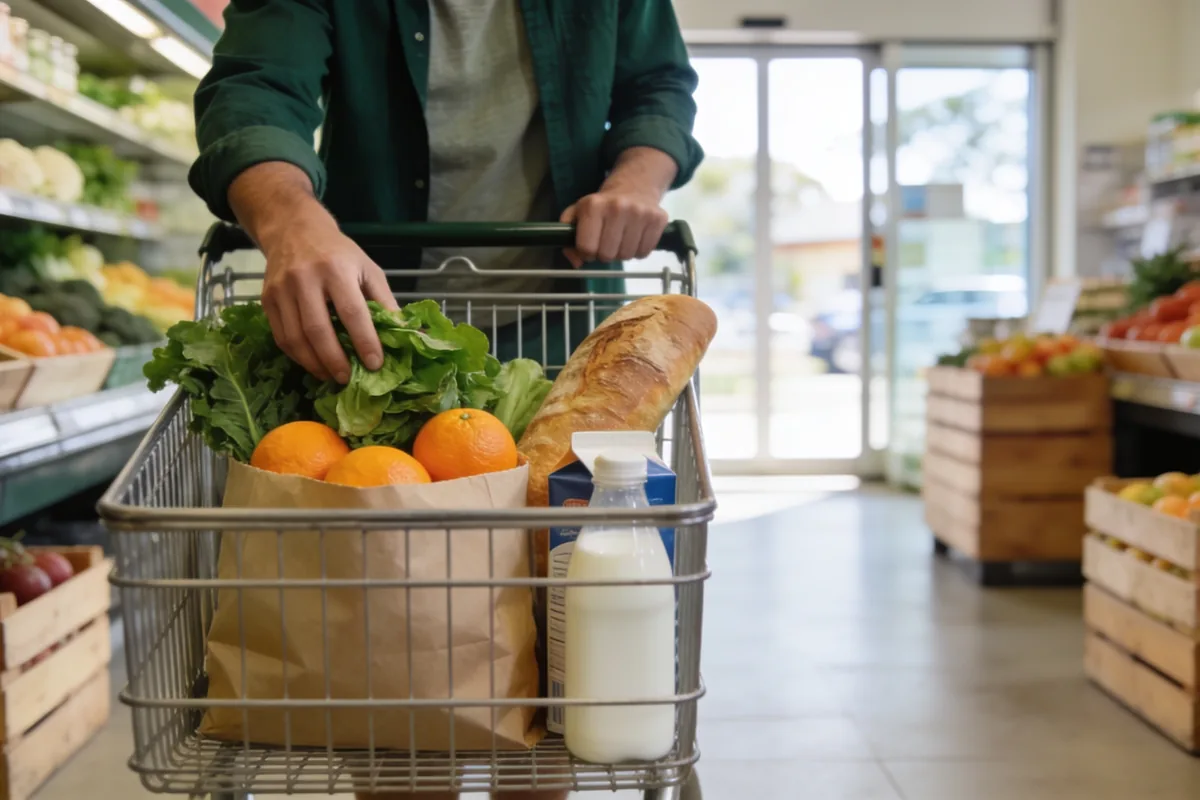
Most of us pay the GST without ever really thinking about it, because in Australia the tax is already in the price on the shelf. You do not see it added at the register the way sales tax is added in the United States. The number on the tag is the number you pay, and somewhere inside that number is a 10 per cent goods and services tax. But not everything you buy carries it. Some essentials are GST-free, and the difference is where the savings show up.
What the GST actually is
The GST is a broad tax of 10 per cent on most goods and services sold in Australia. It was introduced on 1 July 2000 and it has stayed at 10 per cent since. Businesses collect it as part of the price and pass it on to the Australian Taxation Office, so for shoppers it is usually invisible. When you buy a GST-free item, the 10 per cent simply is not there. When you buy a taxable item, roughly one eleventh of what you pay is the tax.
That difference is worth understanding, but it does not mean GST-free items are always cheap. Shops set their own prices. What “no GST” means is simply that the government is not taking a 10 per cent slice on top of what the shop charges.
What attracts GST, and what does not
The rule of thumb is that most things you buy attract GST, and the exceptions are mostly necessities. Here is the general shape of it.
| What you are buying | GST? | What it means at the checkout |
|---|---|---|
| Basic food: fruit, vegetables, bread, milk, eggs, plain meat | No GST | The shelf price is what you pay, nothing added |
| Restaurant meals, hot takeaway food, alcohol | GST included | About one eleventh of the price is the tax |
| Clothing, shoes, electronics and household goods | GST included | Same as above, the tax is inside the ticket price |
| Most medical and health services, some medicines | No GST | Nothing added on top of the fee |
| Education and childcare | No GST | Nothing added on top of the fee |
The food rules take a little getting used to, because they are about how the food is sold rather than what it is. A loaf of bread from the supermarket is GST-free, but the same bread toasted and served to you in a cafe is part of a taxable meal. Hot takeaway food attracts GST, while a cold sandwich from the same shop does not. It is not always logical, but it is the way the law draws the line.
What this means for your shopping basket
If you filled a trolley only with GST-free basics, the tax would take nothing from it. If you filled an identical trolley with taxable goods, the tax would take about one dollar for every ten dollars of the pre-tax price. That is a real difference, but it plays out in a subtle way, because shops do not price GST-free goods more cheaply out of kindness. They price them to make a profit, just like everything else.
So the honest answer to whether GST-free is cheaper is this. It is cheaper by the tax, and only by the tax. A GST-free item that costs $10 would cost about $11 if it attracted GST, assuming the shop kept the same pre-tax price. But a GST-free item can still cost more than a taxable one if the shop charges more for it. The label “no GST” is not a promise of a bargain, it is simply the government leaving the price alone.
That is why the practical habit is to compare shelf prices, not to assume a category is cheap. Knowing which purchases carry no GST helps you understand what you are paying, and it is especially useful on the big-ticket essentials where the tax would otherwise add a noticeable amount.
A few things worth knowing
For everyday shopping, a small amount of awareness goes a long way. Checking whether the “basic” version of a food item is the GST-free one can save a little over a year, and buying staples in their simplest form usually helps the budget anyway.
If you run a small business, GST works differently for you than for shoppers. A business registered for GST adds the tax to its own prices, claims credits for the GST it paid on its own purchases, and reports the difference on its business activity statement. That side of it is about bookkeeping as much as tax, which is where managing your invoicing and tax returns properly starts to matter.
If you are travelling overseas, you may be able to claim the GST back on goods you buy in Australia and take out of the country with you, under the Tourist Refund Scheme. The rules have conditions around how much you spend, with a single retailer, and how soon you leave, so it is worth checking the current requirements before you count on it.
The real money skill
GST-free does not mean cheap, and GST-included does not mean a rip-off. It means the tax is either there or it is not, and the difference is about one tenth of the price. The real money skill is simpler than chasing tax categories: know which of the things you buy regularly carry no GST, compare the actual shelf prices, and let the 10 per cent be a small bonus rather than something you worry about at the register.
References
Australian Taxation Office, GST-free items and services, taxsuperandyou.gov.au







You must be logged in to post a comment Login