Travel
Castlemaine Without a Car: The Station, the Shire and What Has to Be Booked

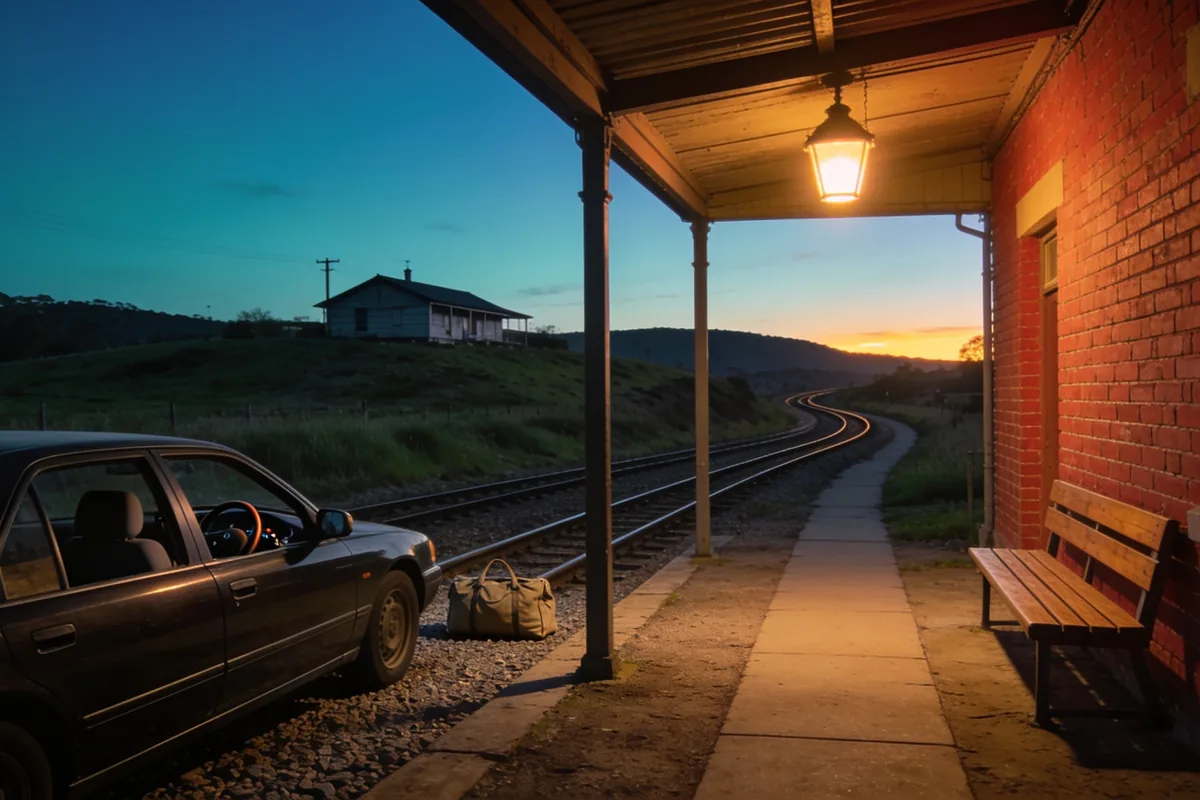
- The train gets you here, and then the questions start. In this town the answers exist; they just take a phone call made early.
- Castlemaine is on the Melbourne to Bendigo line, and all services stop at the station. That is the spine. Around it sit coaches, six local bus routes, community buses that run to a booking, and taxis.
- The network reaches the towns on its own routes. The destination you actually have in mind is usually not one of them.
- Anything with a time attached, an address attached, or a passenger who needs a hand getting in belongs in a booked car. Book it, and book the return leg at the same time.
- In a town this size, an app is not a plan. The number of cars is the number of cars.
The train from Melbourne eases past the car park and stops, and for a moment the platform at Castlemaine feels like the end of the journey. It is not. The station puts you in a town small enough to walk and a shire spread out enough to need a plan, and the space between those two facts is where most of the questions live. This is a town with a genuinely good transport network and no on-demand habit, and the difference between the two is a phone call made the day before.
One train line, and a patchwork around it
Castlemaine sits on the Melbourne to Bendigo line, and it is a proper stop rather than a halt: the council’s own transport information records that all services on the line stop at Castlemaine Station. That is the spine of how the shire moves, and it is worth saying clearly before anything else is described.
Around the train sits a patchwork. Coach routes pass through the shire and connect it with Ballarat, Bendigo, Daylesford, Kyneton, Maryborough and Mildura. Six local bus routes cover the town loop, Campbells Creek, Harcourt, Maldon, Taradale and Chewton. Community buses run to named towns and take a booking rather than a coin. And there are taxis, which are a different kind of thing again, because a taxi is the one piece of the network that goes where the passenger says rather than where the route goes.
That patchwork has a shape worth noticing. The coaches move between towns on fixed routes and run to their own times. The local buses cover the ground immediately around Castlemaine. The community buses are the smallest and the most specific, serving named towns on days that suit those towns. And the taxi is the piece that answers the address in front of you rather than the stop at the end of the street.
None of this is broken, and none of it is simple. Each piece works well inside the hours it runs and for the trips it was designed to carry, and understanding which piece applies to which trip is the whole trick of getting around here without a car. What a guide like this will not do is print a timetable, because times change and a flat version of them in an article would be worse than none. The neighbouring question, of how a small town’s cab service actually works once you have made the call, is taken from the other direction in the site’s navigating Woodend with ease: a closer look at local cab travel.
What the train solves, and what it leaves to you
The train is excellent at the long leg. Castlemaine to Melbourne, Castlemaine to Bendigo: the service does the work, the station is a real one with a real pattern of services, and anyone arriving from the city arrives well.
Then the train stops being useful, and this is the honest half of the picture. A station solves the middle of a journey, never the end of one. The venue on a back road, the winery, the trailhead, a friend’s place out past Chewton: none of those is a walk from the platform, and the last ten minutes in every direction is exactly what a rail line cannot help with.
The buses are real, and it is worth knowing what they cover. Maldon, Newstead, Harcourt, Chewton, Taradale, Baringhup, Guildford, Strangways and Welshmans Reef all appear on the shire’s own pages, and for a resident of one of those towns heading into Castlemaine, the bus is a perfectly ordinary answer. For a visitor whose actual destination is a cellar door between two paddocks, it is not, and the reason is structural rather than anything to do with the service: a bus timetable assumes you are going where the bus already goes. The trip that needs a car is not a gap in the network. It is a different shape of trip.
The gap is not the town’s fault. It is the distance between a station and a doorstep, and it is the same gap that sits at the edge of most regional towns. The reader who plans for it is simply the one who does not spend the evening working it out.
The trips that need a car you booked
A handful of trip types come up again and again out here, and they are worth recognising, because they all have the same answer.
The return leg after a big day. The last train and the last bus are earlier than the evening is. A day that ends well usually ends late, and a plan that only covers the arrival is half a plan. Book the way home when you book the way in, because the second call is the one nobody makes.
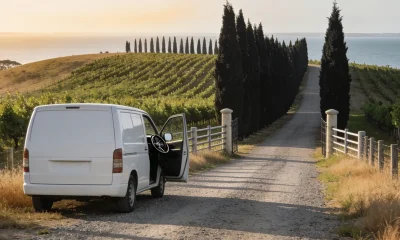
The out-of-town venue. Most of the shire’s weddings, functions and cellar doors are not on a bus route, and the addresses are rural. A driver can find them. A passenger on a timetable cannot.
The medical run. A hospital or a specialist appointment in town is a short trip by car and a long walk with a bad hip, and the return appointment will not wait for a bus. The site’s getting to medical appointments without a car: when a local taxi is the answer takes that situation further than this guide needs to.
The group. Six people in a maxi is one vehicle doing the work of three cars, which matters in a town with limited parking and an evening with a start and a finish.
And the one-way trip, which people overlook because it looks small. A car to the station in the morning. A car from the hospital back home in the afternoon. The point of these trips is the door at both ends, not the distance.
Booking, not hailing, is the habit here
If you have moved to Castlemaine from a city, the thing to relearn first is not the map. It is the habit. City taxis get hailed and city apps get refreshed, but a town this size runs on bookings, and ringing the day before is not a special favour. It is how the system is used.
The shape of it is simple. Anything with a time attached gets booked the day before. Anything without one gets booked the morning of. Somewhere in between sit the trips that matter most: the appointment, the train to catch, the ride home from a night out. Those get booked early, and anyone who has lived here a while will tell you why without being asked twice.
What to have ready when you ring is the same list every booked car wants, and it is the list a Castlemaine cab service that covers the Mount Alexander Shire works through when a booking is taken:
- The pickup address, and which door.
- The time you need to be there, not the time you would like to leave.
- How many people are travelling.
- Whether anyone needs a wheelchair accessible vehicle or the disability van, which is a request made at the time of booking rather than at the kerb.
- Whether there is luggage or a pram.
- A number you will actually answer.
The accessibility point deserves one more line. Needing a vehicle that takes a wheelchair is arranged separately from an ordinary cab, and the person taking the call is expecting the question. Say it plainly when you book and it is simply part of the job.
And one honest note about apps. There is no harm in checking one, but in a town this size an app is not a plan, because the number of cars is the number of cars. A booking is a commitment. An app is a hope that somebody nearby is free. If the whole idea of arranging a car in advance feels like admin for a small trip, the site’s are you overcomplicating local travel? when a taxi keeps it simple settles that argument better than a repeat of it here would.
The days the town fills up
Castlemaine is a visitor town, and some of its days behave differently. Market mornings, festival weekends, long weekends and wedding season all put the local fleet under pressure at once, and the car parks near the centre fill with it. The pattern to plan around is not any particular date. It is the kind of day.
On those days the order of events flips. The visitor who organises a car a week out has one, and can change the plan without drama. The visitor who rings at ten past six, when the town is already full, joins a queue that was never about the driver’s willingness. It is arithmetic: more people, same cars.
Why does the town behave this way? Because the fleet is sized for the town, not for its biggest weekend, and that is the right way for it to be sized. A visitor economy runs on days when the ordinary arithmetic breaks: every car is on a job, and the accommodation was booked weeks ago by people who did plan. On a normal Tuesday the same system feels generous. On the morning of a festival it is fully used.
The train is the spine, so treat it like one
The constructive version of all of this is to build the day around the train times you actually intend to catch, then book the car for the parts either side of them.
Two practical notes hold whatever the timetable says. The last service of the day is the one that decides your evening, so find it before you commit to it. And a ticket covering the whole journey, the train leg and any connecting coach, is worth checking before you buy the legs separately, because the different pieces of the network are designed to fit together even when the bookings are made apart. For current times, go to the state’s public transport journey planner rather than to any page that prints a schedule, this one included.
One more habit worth building: decide the shape of the day before you book anything, because a car booked between two trains is a car that waits, and a car booked around nothing is a car you are chasing.
What to book, and what to leave to the train
The compressed version, for the platform.
The train for the long leg, because it is good at it and nothing else comes close. The bus for the trips that sit on its route, which for residents of the towns it serves is a normal way to travel. The community bus if you live in one of the places it reaches and you can plan ahead. And a booked car for everything with a time and an address attached, because that is the shape of trip the rest of the network was never built for.
The town is small enough to walk and spread out enough to need a plan, and the two things that make the difference are booking early and knowing which is which.
Sources consulted: Mount Alexander Shire Council transport information; Public Transport Victoria journey information.