Travel
Navigating Woodend with Ease: A Closer Look at Local Cab Travel

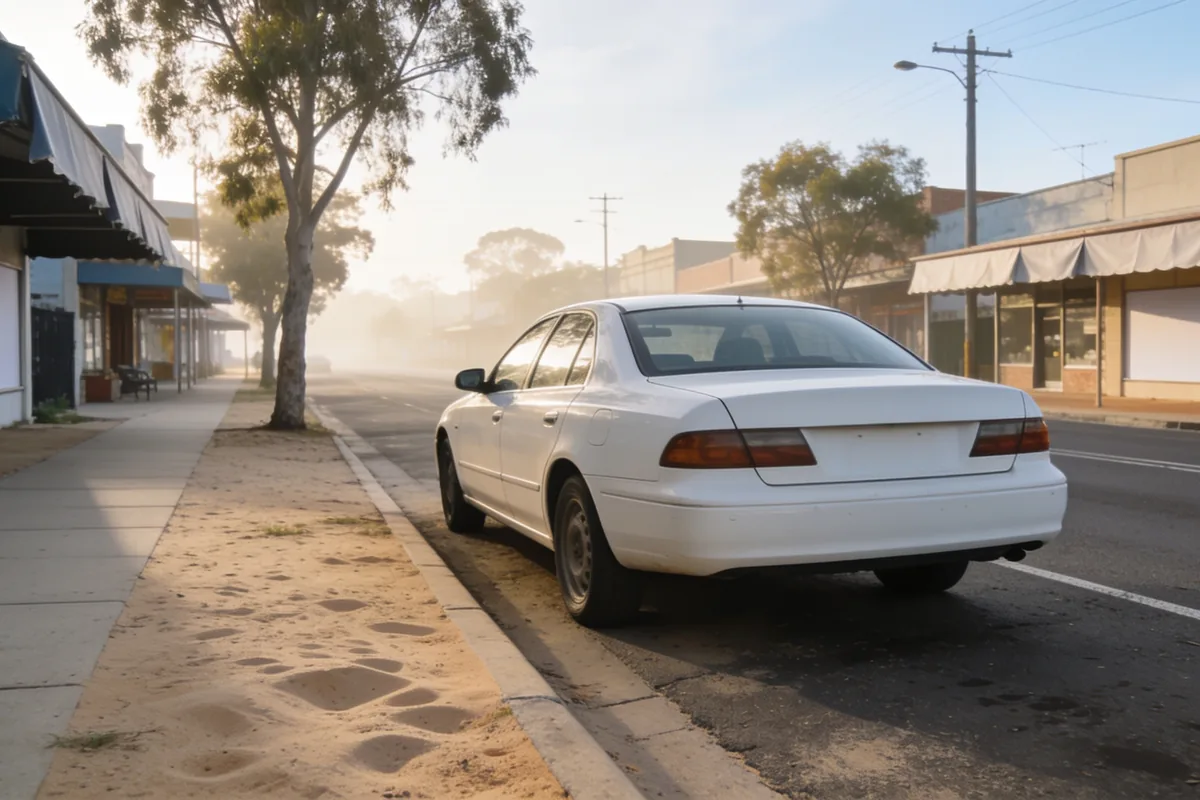
Getting around a small town is different from getting around a city. The distances are shorter, the timetable is thinner and the options are fewer, which makes a reliable local cab service more useful than it might first appear. For people without a car, for older residents and for visitors arriving by train, the local cab is often the difference between a trip that happens and one that does not. This guide looks at what local cab travel offers in a town the size of Woodend and how to get the most from it.
Why local cabs suit regional travel
A local cab service works on the trips that public transport does not cover. A train may get a passenger to the next town, but it does not run to the door, to the doctor’s rooms or home again with the shopping. In a regional area the cab fills the gaps in the network: short trips within town, connections to the station and journeys at hours when nothing else runs. Because the distances are short, the fares stay modest, which changes the maths compared with a city.
What a local cab offers that other options do not
A cab is door to door by design. The passenger is picked up where they are and set down where they need to be, with no walk to a stop, no transfer and no carrying bags further than the driveway. For someone with limited mobility, with young children or with a load of shopping, that door-to-door trip is the whole point. A local service also depends on the goodwill of people in the same town, which gives it a reason to be reliable in a way that matters to regulars.
The value of a driver who knows the town
One thing a local cab has that a city service does not is a driver who knows the area. They know the street names, the one-way quirks, which driveway belongs to which house and the fastest way around roadworks. That local knowledge matters in a town where some addresses are easy to miss, and it makes the trip smoother for visitors and new residents who do not yet know the place. The driver can also answer the practical questions a visitor has, such as where the supermarket is or how far it is to the station.
Booking a cab in a small town
Booking is straightforward once a few details are ready. Have the pickup address, the destination and the time ready, and say whether the trip is for now or needs to be pre-booked. For early starts, train connections and appointments that cannot be missed, booking ahead gives the service time to schedule a driver, and it gives the passenger certainty. A quick call to confirm on the day is reasonable for longer or earlier trips. Being ready with the details makes the booking faster for both sides.
When a local cab is the sensible choice
There are trips where the cab earns its place without debate. Getting to the station for an early train, coming home after dark, reaching an appointment on time, returning from a medical visit where driving is not advised, and travelling with luggage or a wheelchair all point to a cab. For older residents who no longer drive, the local cab is the way they keep their independence, because it turns a trip they cannot make themselves into one they can.
Keeping the local service viable
A local cab service is part of the town’s infrastructure in a small way. It employs local drivers, keeps older residents mobile and gives visitors a way to arrive without a car. A service that is used survives, and one that is not slowly fades, which is a practical reason for residents and businesses to use the local option when it suits the trip. That support is what keeps the service there for the trips that genuinely depend on it.
Why the shortest trips can matter the most
In a small town the trips people worry about are often the short ones: the ride to the station, the appointment across town, the way home in the evening. They are not long journeys, but they are the ones that keep a household running, and a local cab service is what makes them possible for people without another option. For residents, visitors and anyone who does not drive, the local cab is less a convenience than a connection to the rest of the town.