Travel
Getting Home After Dark: When a Cab Is Worth It Over Public Transport

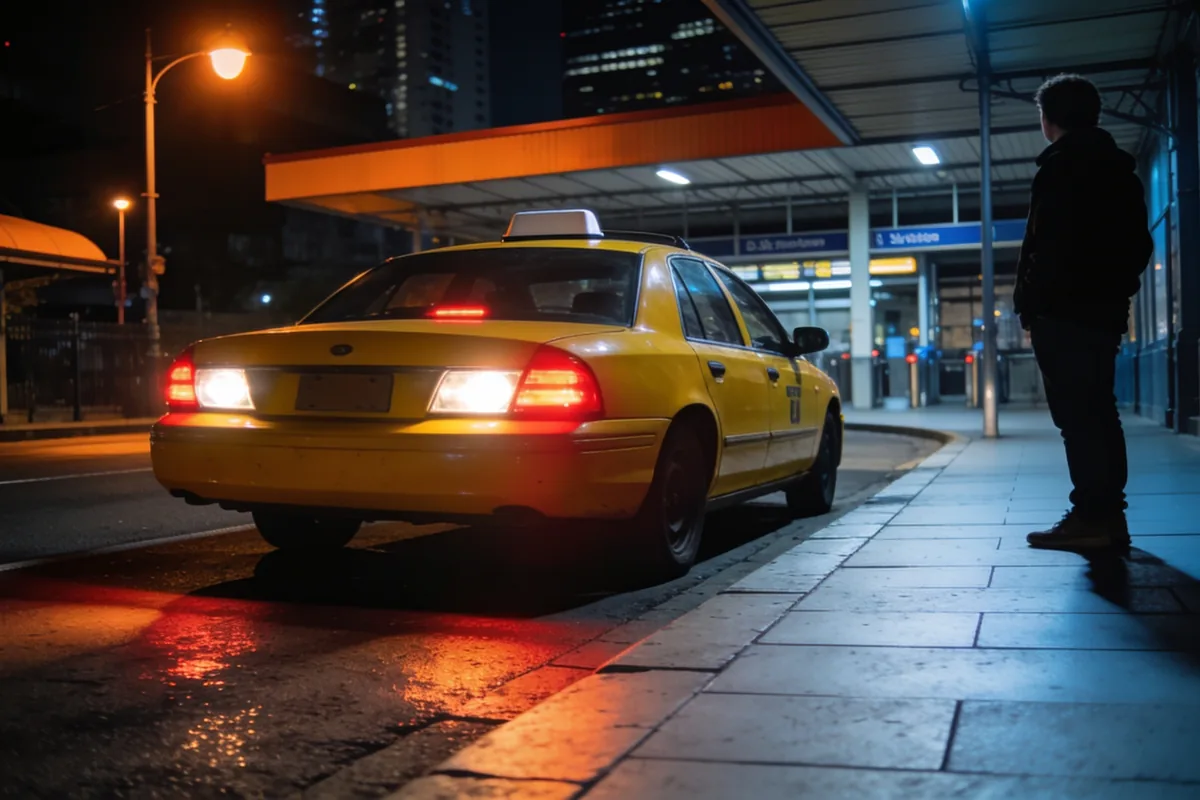
It is late, the last train has gone, and you are standing at a stop trying to work out how you will get home. If that scenario feels familiar, you are in good company. Getting home safely after dark is a genuine question, and sometimes the answer is a licensed cab and sometimes it is public transport. The trick is knowing which one makes sense on the night.
When a cab earns its cost
A licensed cab offers a few things that public transport cannot, especially late at night. It is door to door, so you are not left walking from a station or a bus stop in the dark. The driver is registered and identifiable, and the vehicle is tracked, which means a trip can be followed and, where a live share feature is available, someone at home can watch your route in real time. You also get a private, clean space instead of a cold platform or an empty carriage.
Those things matter more when you are tired, carrying bags, travelling with kids or simply in an area where the walk from the stop feels too long. On those nights a cab is not an indulgence; it is the sensible option.
The honest trade-off
The reason most people hesitate is cost. A cab will almost always be dearer than a train or bus fare, and on busy nights, when demand is high, prices can climb. If your budget is tight, that difference is real and worth respecting. There is no shame in choosing the cheaper option when it is safe to do so.
It is also worth remembering that cabs are not always quick. On big event nights the ranks can be long and waiting times blow out, and sometimes the train that runs until late is actually the faster way home. The cab is not automatically the best ride. It depends on the night, the route and how far you still have to go.
When public transport makes sense
If the train or a night bus runs along your route until late, and the station is close to where you are headed, public transport can be the smarter call. It is cheaper, and in Melbourne and Perth the night networks cover the inner city well. The picture changes in the outer suburbs, where services thin out earlier and the gaps between them grow wider. If you live a long way out, check the timetable before you assume there will be another train.
A few habits that help
- Plan the last service before you head out, so you are not guessing at 1am.
- If you take a cab, sit in the back, confirm the driver and the number plate, and use live trip sharing to send your route to someone you trust.
- Share a cab with friends heading the same way to split the fare.
- If you are in an unfamiliar area, use a booked rank or an app rather than hailing an unmarked car.
Whichever option you choose, one small habit makes a difference: let someone know roughly when you expect to arrive. A quick message to a friend or family member means there is always someone who would notice if you did not show up. It costs nothing, and it makes the whole trip feel a little less lonely at that hour. Keeping your phone charged matters too, because it is hard to book a ride, check a timetable or share your location if the battery dies halfway through the night.
The aim is not to talk you into spending more than you need to. It is to help you weigh the real choice calmly. When a cab gets you to your door on a night when public transport has stopped, it is worth the fare. When the train is still running and the walk is short, keep the money. Either way, you made the call instead of leaving it to chance, and that is the surest way to get home safely.
Sources: Public Transport Victoria (ptv.vic.gov.au); Transperth, Western Australia (transperth.wa.gov.au).