Home & Garden
Water-Saving Toilet Swaps Made Simple

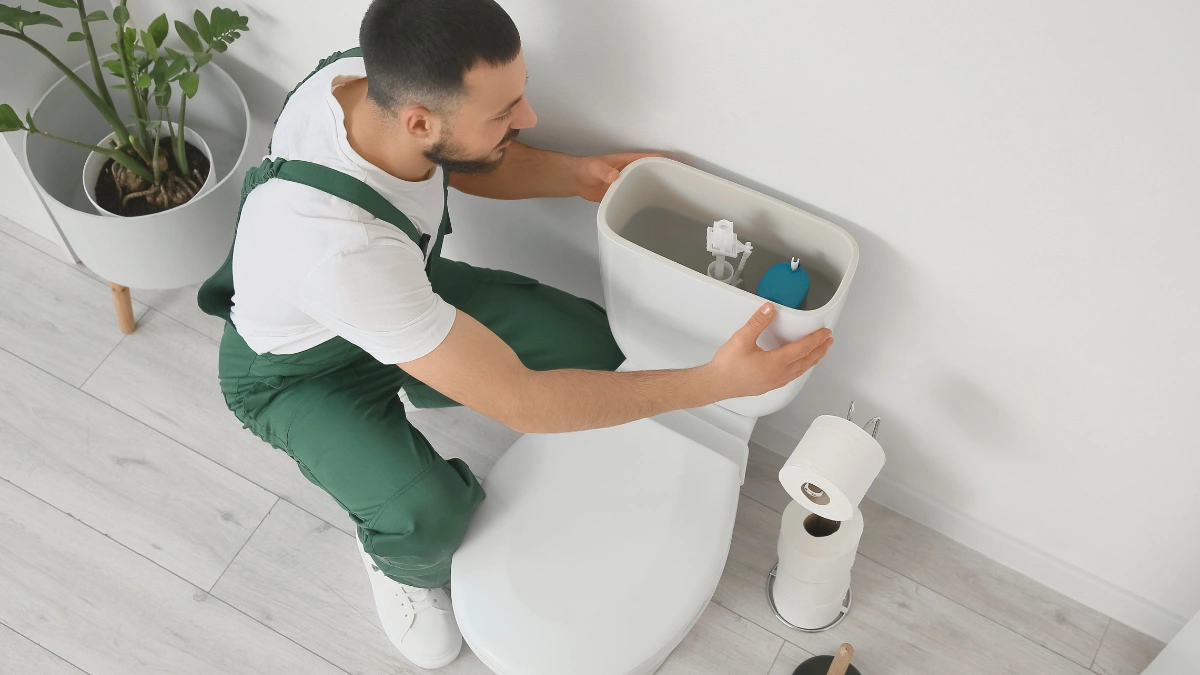
The toilet is usually the largest single user of water inside an Australian home. Not because any one flush is huge, but because it happens so often. A household can easily flush a dozen times a day, and across a year the numbers add up faster than most people expect. That makes the toilet one of the better places to save water, because the fix is often a simple swap rather than a change in behaviour.
What the old toilets use
Older single-flush toilets, common in homes built before the 2000s, can use around 11 litres on every flush. Some older models use more. A family of four flushing five or six times a day on a cistern like that is sending a meaningful volume of water down the pipe every week, most of it for a job that does not need nearly that much.
Modern toilets are designed around a very different number. The current generation of dual-flush toilets typically uses about 6 litres for a full flush and 3 litres for a half flush, and the most efficient models are tighter still. Swapping an old single-flush pan for a modern dual-flush one typically cuts the water used per flush by more than half.
Read the WELS label
In Australia, toilets carry a WELS rating, which stands for the Water Efficiency Labelling and Standards scheme. The label is the shortcut for comparing models. It shows a star rating and the litres per flush, so two toilets sitting side by side in a showroom can be compared on the numbers rather than the marketing. More stars mean less water for the same job. It is the same scheme that rates showerheads, taps and washing machines, and it makes the efficiency difference visible at the point of sale.
The main types worth knowing
Dual-flush toilets are the standard choice for a home swap. Two buttons, or a split button, give a full flush for solid waste and a reduced flush for liquid, which is where most of the saving comes from, because the half flush is the one used most often.
Single-flush low-flow toilets are less common now but still available. They use one fixed volume, usually around 4.5 litres, and they are simpler than dual-flush models. The trade-off is that every flush uses the same water, including the ones that only need a half flush.
Pressure-assisted toilets use water pressure or air to create a stronger flush with less water. They are more often seen in commercial settings, and they tend to be louder and more expensive, so they are rarely the first choice for a straightforward home replacement.
Signs it is time to swap
A toilet does not have to be broken to be worth replacing. The clearest signs are age and water use. If the toilet predates the WELS labelling era, it is almost certainly using well above what a modern model would, and the swap will pay for itself over time. Constant running, a cistern that takes a long time to refill, double flushing, or visible leaks are all reasons to act sooner, because a leaking toilet can waste far more than an efficient one saves.
Water marks or staining that will not scrub off, and a pan that is chipped or porous, are separate reasons to replace, since they are about hygiene as much as efficiency.
What a swap involves
A toilet replacement comes in two levels. Replacing the whole pan and cistern is the common route when the toilet is old, and it is when the full efficiency gain is delivered, because the new cistern is matched to the new pan. Sometimes the existing pan is fine and only the cistern needs upgrading to a dual-flush unit, which is a smaller job, but the pan and cistern need to be compatible, and not every old pan suits a modern cistern.
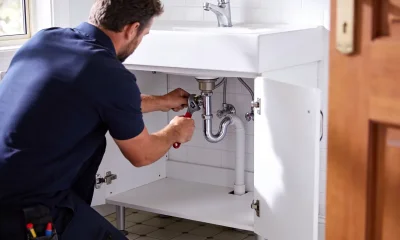
Measurements matter. The rough-in distance, the gap from the wall to the floor waste, has to suit the new pan, which is why a toilet bought on spec can turn into a return trip. Connecting a toilet to the water supply is plumbing work, and in most of Australia that means a licensed plumber is required rather than a DIY job. The plumber will also check that the new toilet is installed so it does not leak at the seal, which is where a lot of water is wasted quietly.
Cheaper fixes before a full swap
A full replacement is not the only way to save. A cistern that is constantly running can waste a surprising amount of water, and fixing the washer or the valve is often a small repair with an immediate effect. Adjusting the flush so it uses the minimum needed, and making sure everyone uses the half flush for liquid waste, costs nothing and compounds the savings from an efficient cistern. Some states and local councils run rebates for water-efficient fixtures, so it is worth checking what applies locally before buying, because a rebate can shorten the payback period on a new toilet considerably.
The practical order is simple. Fix the leaks first, switch to a dual-flush model when the toilet is old enough to justify it, and use the WELS label to compare like for like. None of it requires changing how anyone lives, which is why the toilet is such an easy place to save.