Home & Garden
Stormwater or Sewer? What the Drains in Your Yard Do and Who Has to Fix Them

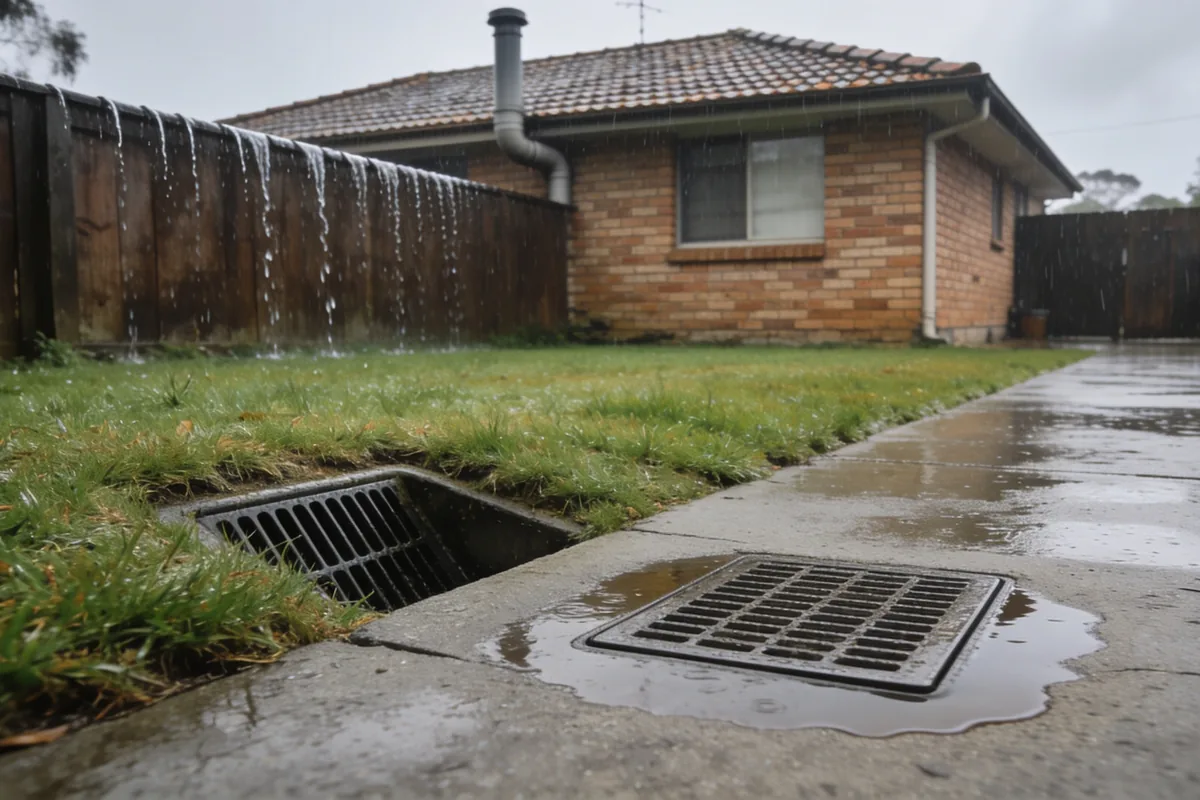
- Two separate systems leave a property: one carries sewage to treatment, the other carries rain off the roof and the yard. They look alike in the ground and are built to stay apart.
- The fitting on the sewer side is the overflow relief gully, a grate that releases a sewer surge onto open ground instead of into the house. The stormwater pit or grate on the rain side collects runoff. They do opposite jobs.
- The line that matters for repairs is the point of connection to the network, not the fence line. Most of what runs through a private yard is the owner’s to fix.
- In the first hour of a blockage: stop using water on the sewer side, keep the gully clear, and make the right call early.
- The paperwork counts too: a Certificate of Compliance when the work is done, and a licence check before it starts.
Most homeowners meet their drainage only when something goes wrong, and by then the question is urgent and practical: which pipe has failed, and who has to fix it. A stormwater drain and a sewer pipe are built for different jobs and fixed by different people, and knowing which one is in front of you is most of the answer. What follows is the split in plain terms, the responsibility map for New South Wales, and the first hour when a drain blocks.
Two pipes, two jobs
Sewer is everything that goes down a fixture: toilets, sinks, showers, the washing machine. Those pipes run sealed and closed to a treatment plant, and they are sealed for a reason. Nothing in them should touch open ground on the way.
Stormwater is the rain, and it travels a different route. Water off the roof goes down the downpipes, water off the paving and the lawn goes through surface drains, and the combined flow ends up in a creek, a harbour or a soak pit, wherever it can drain away naturally. The two systems are built as separate networks and must stay separate, because one carries waste and the other carries weather. A cross connection, where stormwater enters the sewer, is illegal, and it is the classic cause of sewage appearing in yards and streets during heavy rain.
In most yards, the two systems announce themselves with fittings that look alike at a glance. The overflow relief gully is the sewer-side one: a grated fitting designed to release overflow outside the house if the sewer surcharges. That is its whole job, to send a surge onto open ground rather than back through the lowest drain in the house. The stormwater drain is the rain-side one: a pit or grate set into the yard, a path or a driveway, where runoff collects before it enters the pipes.
If you are not sure which fitting you are looking at, the test is what makes it misbehave. A fitting that overflows in dry weather, while the house is in use, belongs to the sewer side. A grate that fills only in rain, and drains away after, belongs to the rain side. And if the two have been connected to each other, the rain will show you: the sewer answers storms it was never built to carry.
Who owns what: your point of connection, not your fence line
This is where most of the confusion lives. The water authority for the Sydney region puts the dividing line at the point of connection: the place where the private pipes and fittings meet the network. The rule that follows is that the owner maintains the private water, wastewater and stormwater pipes and fittings up to that point. Beyond it, the mains belong to the network operator.
The distinction matters. A private pipe can run past the fence line before it reaches the main, and that stretch is still the owner’s. The fence-line theory fails in both directions: it can leave an owner waiting on a council that has no jurisdiction over a private line, or paying for work on a pipe that was never theirs to fix.
Past the connection point, ownership splits by system. Wastewater mains belong to the water authority. Public stormwater drainage is usually the local council’s responsibility, though water authorities and other bodies own some stormwater assets as well. That split decides which number you ring: a blocked public stormwater drain goes to the council, and a suspected wastewater main fault goes to the water authority. Calling the wrong one costs a day.
Two more layers are worth knowing before you need them. Where a single pipe serves two properties, it is shared responsibility, and the conversation is easier before either side has a flooded yard. In strata, the line between a lot and common property is drawn by the registered plan, which is why the owners corporation belongs in the conversation from the start rather than after the invoices arrive.
Reading the symptoms: which system is failing
By the time most people call someone, the symptoms have already named the system.
The sewer side fails broadly. When every fixture in the house is slow at once, when drains gurgle as something else empties, or when there is a smell of sewage around the gully, the blockage is likely in the line where the house pipes meet, downstream of every fixture. One slow drain usually has a local cause. A whole house that will not drain is a line problem, and it belongs with someone who can look inside the pipe.
The rain side fails with the weather. Water pooling at a stormwater drain or grate, a yard that floods only in heavy rain, or a damp patch that appears after storms and fades between them all point to the rain system. If the problem arrives with the rain and leaves with it, start there.
Two symptoms deserve a closer read. During heavy rain, a blocked overflow relief gully can push sewage into the house through the lowest floor waste, because the gully cannot release the pressure it was built to release. And a downpipe connected into the sewer, which is illegal, tends to show itself in a storm rather than on a dry day: the rain goes where it should not, and the system answers at the worst possible moment.
Some of these warnings are worth acting on before a blockage happens at all, and the site’s 8 plumbing warning signs you should never ignore covers the ones that matter most.
How a plumber finds it before anyone digs
The first question on a private line is where the fault sits, and the answer rarely comes from looking at the ground. Water follows the easiest path, so the wet patch on the lawn and the break in the pipe can sit metres apart.
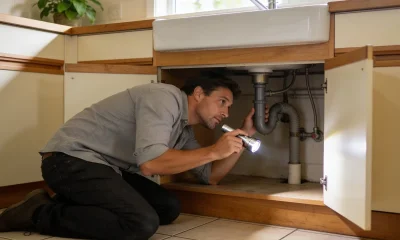
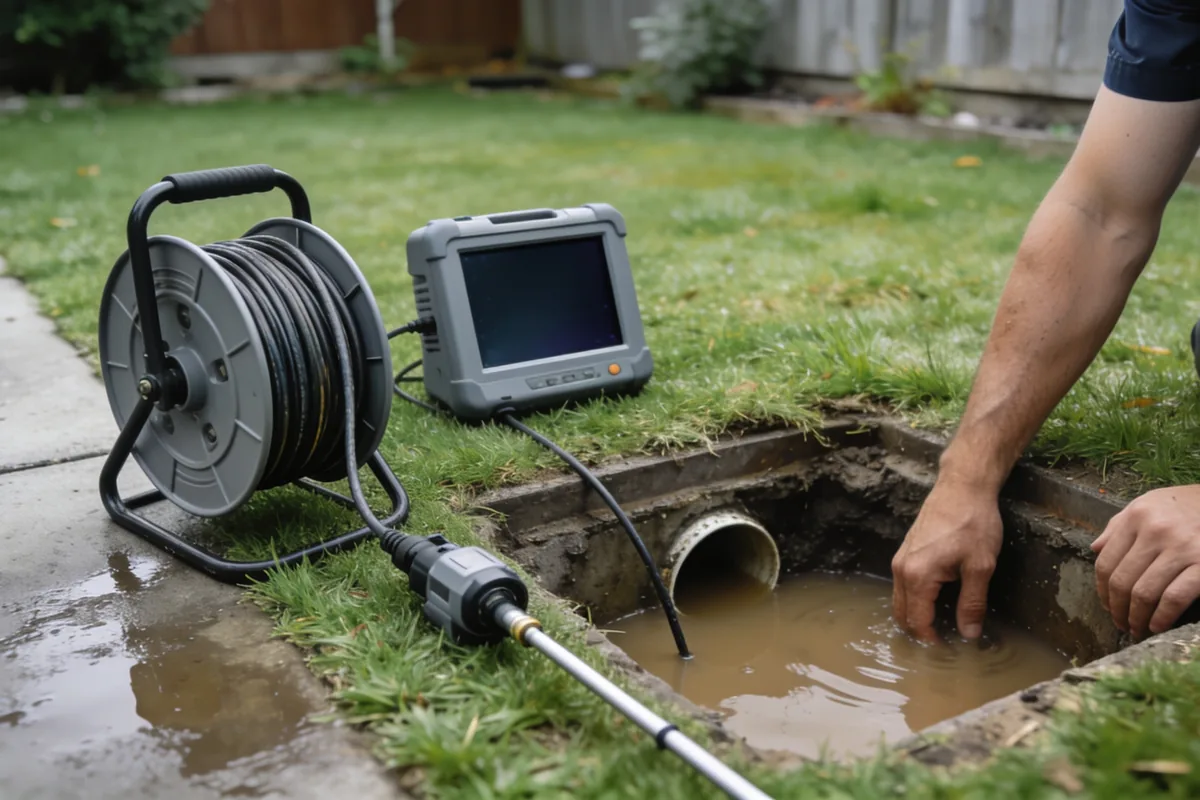
The tool that answers it is a drain camera: a small, tough camera on a reel that travels the inside of the pipe and shows what is there, whether roots, cracks, grease or a collapsed section. With a locator on the camera head, the operator can mark the position of the fault above ground, and that is what keeps a repair from turning into exploratory digging.
Clearing the line comes next, and the tool depends on the blockage. A high-pressure jetter scours roots, silt and grease with water. A drain machine cuts through a blockage with a spinning head. Both restore flow. Neither repairs the pipe, and that distinction is the one to keep: a root-bound line that is cleared will keep regrowing until the pipe itself is repaired. What that repair involves, without digging up the yard, is set out in the site’s pipe relining made simple: a step-by-step guide.
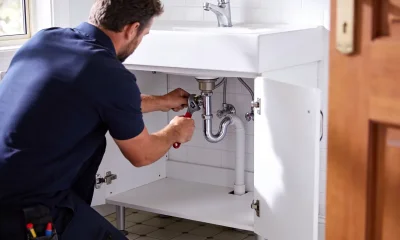
When the camera shows a root-bound line or a broken section, the repair is the real job, and it belongs with a licensed plumber who handles blocked drains and stormwater rather than a general handyman. The licence and paperwork checks later in this article apply to whoever you engage.
When it is not your problem: council mains and the water authority
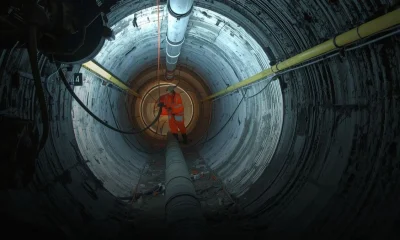
Some blockages are not private at all, and knowing where to stop is worth as much as knowing what to do. If the problem sits in public stormwater drainage, or shows up beyond the connection point in the street, the call is to the local council. If it points to a fault in the wastewater main, the call is to the water authority, which runs a 24-hour line for faults and overflows.
Have the details ready before you ring: photographs of what is happening and where, the time it started, what the weather was doing, and a short account of what has already been tried. If the property has a sewer service diagram, the plan showing where the private pipes run, have that on hand as well. It turns a vague description into a location.
Then there is the part owners tend to learn last. If an inspection finds an illegal connection on the property, such as a downpipe plumbed into the sewer, the council or the authority can issue a notice to rectify the work. The notice lands with the property owner, and so does the cost of fixing it. That is one more reason to know what the two systems in the yard are doing, before someone else works it out on your behalf.
The paperwork worth asking for
In New South Wales, plumbing work carries paperwork, and it is worth collecting rather than filing away unread.
After the work, a licensed plumber issues a Certificate of Compliance, the document confirming that the work meets the Plumbing Code of Australia. It is not a receipt, and it is not a courtesy. At sale time, it is one of the records a buyer’s inspector may ask to see, and a certificate that cannot be produced is a question no seller wants to answer.
Before the work, verify the licence. Licences in NSW can be checked through the Building Commission NSW, and a professional will have the number ready. The site’s what sets a professional plumber apart in a plumbing emergency sets out the checks worth running before anyone starts.
Keep one more thing: the drain footage. If the line was inspected with a camera, the recording is the clearest record of what the pipe looked like on the day, and it matters later, whether the repair is planned, quoted or questioned. Ask for it rather than assuming it will be kept.
What to do in the first hour
- Stop using water on the sewer side. Every flush, shower and load of washing adds to a problem that is already downstream of you.
- Find the overflow relief gully and clear the space around it. It has to be able to release, so do not bury it, pave over it or cover it with mulch.
- Do not pour chemical cleaners into a drain you have not identified. The wrong system takes the wrong treatment, and a blockage is not improved by a chemical hazard.
- Note when the problem started and what the weather was doing. That one line of detail tells a plumber or a council officer a great deal.
- Make the calls that fit the evidence: a licensed plumber for anything past the tap washer, the council for public stormwater, and the water authority for a suspected main fault.
Two pipes, two jobs, and a dividing line at the point of connection. The first hour is about keeping the two systems apart, the sewer quiet and the gully clear, and letting the right person do the rest.
Sources consulted: Sydney Water general plumbing information; Local Government Act 1993 (NSW); Building Commission NSW plumbing and drainage compliance.