Healthcare
How Scary Movies Affect a Child’s Mind (and What Parents Can Do)

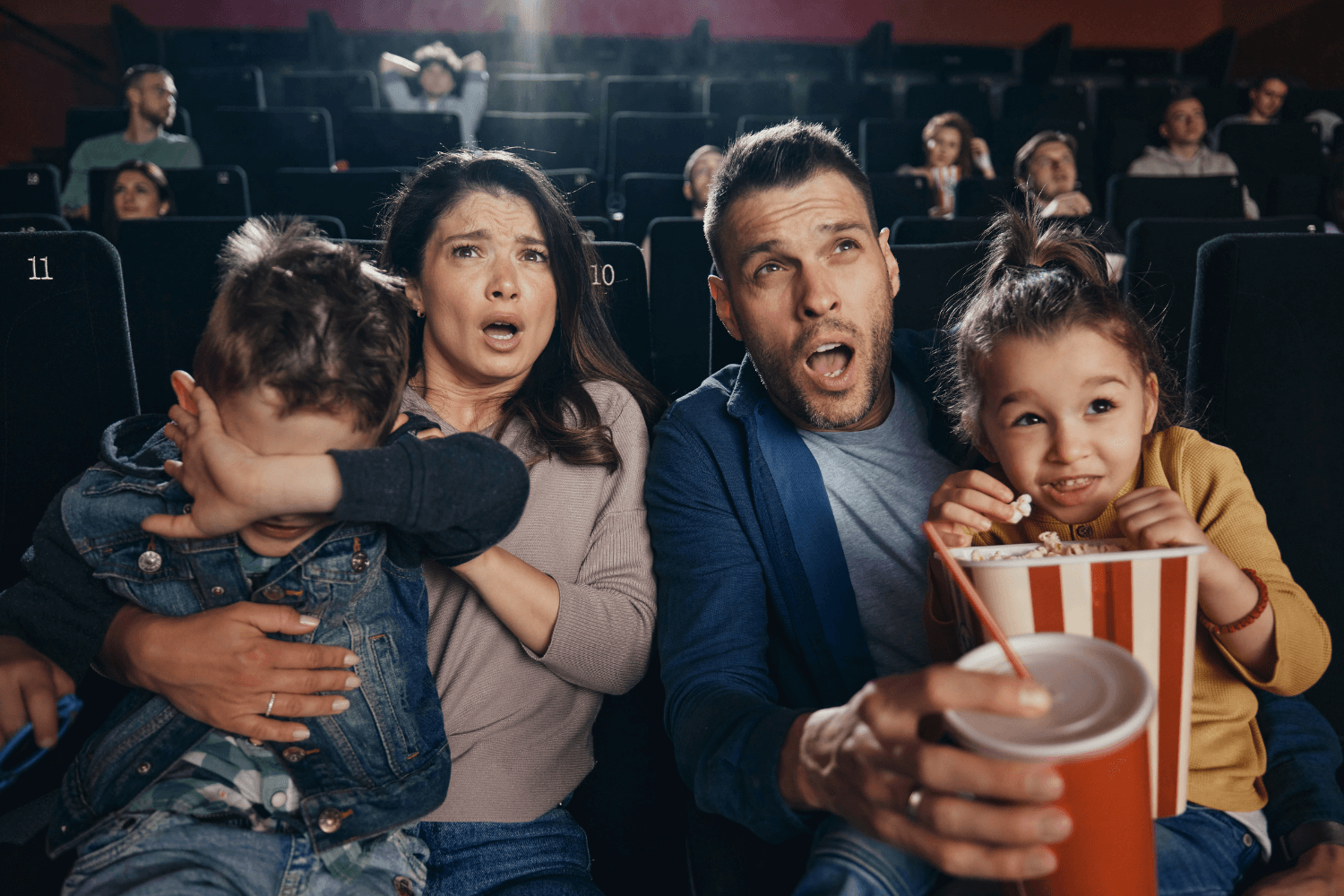
Picture the scene. The movie has been fine so far, and then the camera settles on a closed door and the music changes. Before the scary part even arrives, there is a small person pressed against your arm, asking if the monster is really gone.
If you have wondered since whether letting them watch was a mistake, you are in good company. Scary movies are one of those calls that feels impossible to get right, because every child reacts differently. The reassuring part is that for most children a fright like that is ordinary, and it passes. Children are good at sorting out what scared them once they feel safe again, and a handled scare can even become a story they are quietly proud of surviving. Your job is not to remove every fright from their lives. It is to know how your own child’s mind handles fear, and to be the safe place they come back to.
Why children feel fear differently to adults
Children are not small adults when it comes to fear. Their brains are still learning to separate what is real from what is pretend, so a scene you know is special effects can feel genuinely real to a four-year-old. The younger the child, the more literal the fear: a figure in a dark window is not “just a movie” to them. It is something that could be in their window tonight.
They also cannot switch the feeling off once the movie ends, the way older viewers can. That is not a sign that something is wrong. It is simply how a growing mind works, and it explains why the same film can leave one child shrugging and another wide-eyed at bedtime.
The usual after-effects, and how long they last
In the days after a scare, you might notice some familiar signs. Nightmares, trouble settling, a sudden dislike of the dark, extra clinginess, or a child who is crankier than usual. None of that means you made a terrible call. It is a common response, and for most children it fades within a few days as the memory softens.
What helps is keeping the routine steady instead of making a fuss. Calm bedtimes, a familiar story, a warm lamp left on, and plenty of simple reassurance that they are safe. It is okay if they want to talk about the scary part over and over. Retelling it is often how a child shrinks it down to a manageable size.
When to take it more seriously
For a smaller number of children, the fright lingers, and that is worth noticing. If sleep problems drag on for more than a couple of weeks, or a child suddenly refuses to be alone in rooms they were always fine in, or their behaviour changes in ways that do not settle, it is reasonable to get some help. A chat with your GP or a child health professional is a sensible step, not an overreaction. You are not bothering anyone by asking.
Matching the movie to the child
There is no single age where every child is suddenly ready for scary films. Some seven-year-olds are fine with a gentle ghost story, while some twelve-year-olds are not, and neither is a failure. Ratings are a starting point, not the whole answer. If you are unsure about a title, watch it yourself first, or watch it with them and keep an eye on how they are coping. There is no shame in switching it off halfway and saying this one can wait until they are older.
Helping them settle after a scare
When a child is frightened, the quickest way to calm them is usually to let them talk. Ask what scared them, listen without laughing it off, and answer their questions honestly. Then remind them, calmly, that they are safe, that the movie was not real, and that you are right there. Doing something firmly ordinary afterwards helps too. A snack, a game, a familiar show. Ordinary is soothing.
Try not to make the fear bigger or smaller than it is. Telling a child not to be silly can leave them feeling foolish for being scared, while turning the moment into a big production can make the fear feel more real. Matter-of-fact warmth works best, and so does your company.
Be the safe place after the credits
Scary movies are part of growing up for plenty of children, and an occasional fright is not something to feel guilty about. What matters is knowing your child, keeping what they watch roughly matched to their age, and being the calm, safe person they come back to when the credits roll. If you are that person, you are already doing the important part.
Sources: American Psychological Association, Children and media. National Institute of Mental Health, Anxiety in children.