Home & Garden
7 Signs Your Pipes Need Relining Now


Pipes fail slowly, and the early signs are easy to put down to something else. A drain that runs a little slower, a smell that comes and goes, a water bill that is a few dollars higher than last year. On their own each is easy to ignore. Together they usually point to one thing: the pipe itself is breaking down. Pipe relining is one way to fix that without digging up the yard, and the sooner a failing pipe is caught, the more options a homeowner has. These are the signs worth acting on.
Frequent blockages and slow drains
The most common early sign is a drain that keeps blocking no matter how often it is cleared. A single blockage is usually a one-off, but blockages that return in the same place suggest the pipe wall has roughened or cracked, giving debris somewhere to catch. Slow drainage across several fixtures points the same way. When the same pipe keeps causing the same problem, the cause is likely the pipe itself rather than what is being put down it.
Unpleasant odours
Sewer smells inside the house or around the yard usually mean the pipe is no longer sealing properly. Cracks and gaps let the smell escape, and they also let groundwater and roots in. A smell that appears after rain, or that lingers near a particular drain, is worth taking seriously. It is the sign homeowners most often live with longest, and it is also one of the clearer indicators that a pipe has lost its integrity.
Visible water damage
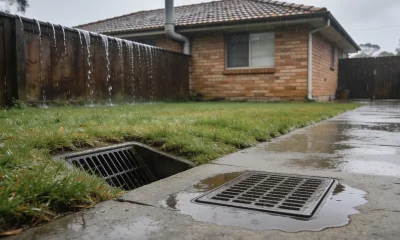
Water stains on a ceiling, damp patches on a wall or a section of lawn that is always wet can all trace back to a leaking pipe. Not every leak is visible at the surface, which is why a patch of unexplained dampness or unusually green grass over a pipe run deserves attention. Water finding its way out of a pipe is doing damage whether it is seen or not, and the longer it runs, the more of the surrounding structure it undermines.
Cracks and corrosion in older pipes
The material a pipe is made from and its age are part of the picture. Older pipes, particularly cast iron and some early plastics, break down over time. Cast iron corrodes from the inside, and the rust that forms can be the first thing a camera sees. If the property has pipes of an age where this is known to happen, and one section is giving trouble, the rest of that run is worth checking rather than waiting for the next failure.
Water bills that creep up
A slow leak inside a pipe does not always show as a damp patch, but it always shows on the meter. A water bill that climbs without a change in household use is one of the quieter signs of a leak. The standard first check is to confirm no tap is running and no toilet is leaking. If the use genuinely has not changed and the bill still rises, the pipe itself is a reasonable suspect.
Tree root intrusion
Roots seek out moisture, and a cracked pipe is an easy source. Once roots find their way in, they grow, and the blockage they cause tends to come back even after clearing because the root keeps regrowing. Repeated root blockages in the same section of pipe are a strong sign the pipe has a crack or a loose joint that relining can seal. Removing the tree is not always the answer, because the root is only entering where the pipe is already damaged.
Strange noises from the pipes
Gurgling drains, bubbling toilets or a sound like water running when nothing is on can all point to a pipe problem. Gurgling usually means air is moving through the pipe oddly, which can happen when a partial blockage or a crack changes the flow. These noises are easy to write off, but they are often the first sign of a problem that has not yet caused a blockage or a leak.
Relining versus replacement: the cost logic
When a pipe is damaged but still structurally sound enough to hold a liner, relining avoids the cost and disruption of digging it up. A liner is inserted into the existing pipe and cured to form a new pipe inside the old one. It is generally faster than excavation, does less damage to gardens, driveways and floors, and is often the cheaper option for a pipe that is accessible only with significant digging. Replacement remains the better call where the pipe has collapsed, is too badly corroded or needs to be upsized. The condition of the pipe, not the preference for one method, should drive the decision.
What to do next
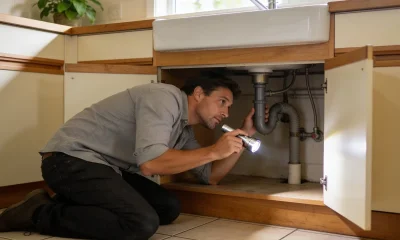
The reliable way to find out whether pipes need relining is a camera inspection. A licensed plumber runs a camera through the pipe, and the footage shows the cracks, root entry points and corrosion that a plunger and a drain cleaner never will. That inspection turns a list of suspicions into a clear answer about which sections of pipe are failing and whether relining will fix them. Catching a failing pipe at the sign stage, rather than at the collapse stage, is what keeps the repair options open and the cost down.