Healthcare
What to Eat in Each Phase of Your Menstrual Cycle (and What to Skip)

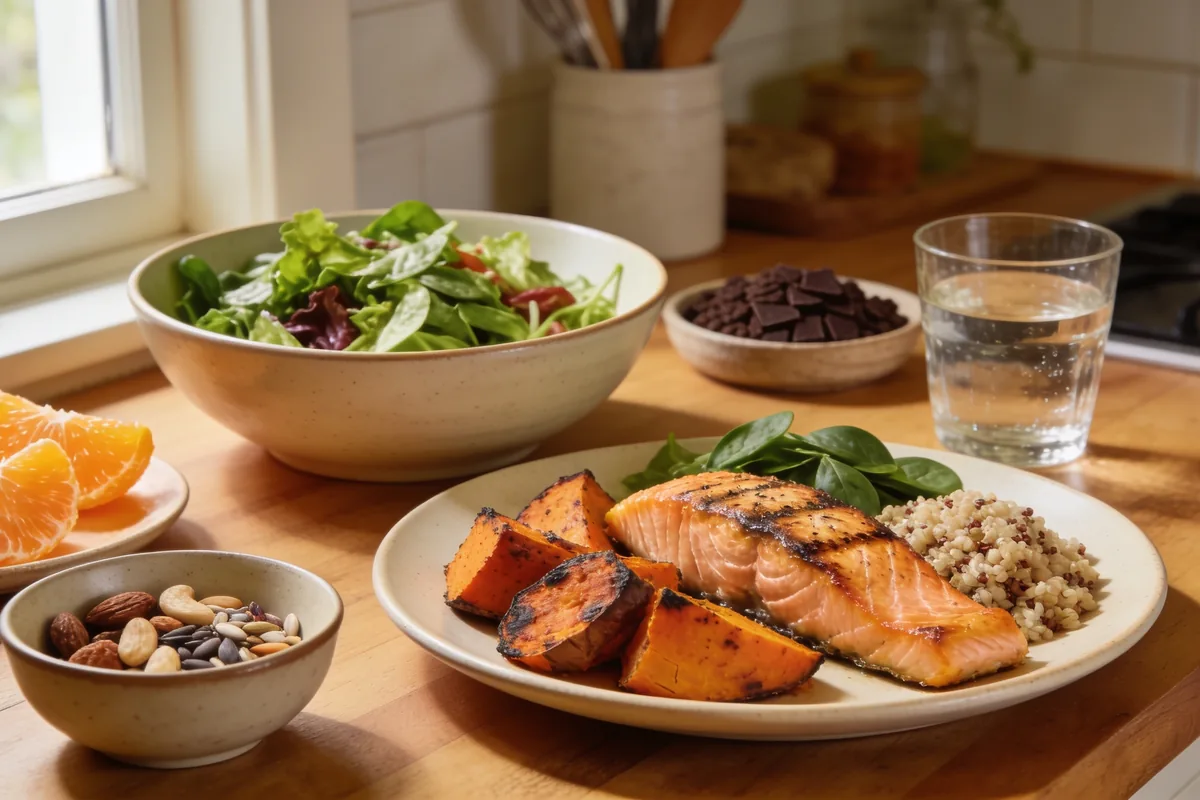
If you have noticed that your appetite, energy and cravings change across the month, that is not in your head. Hormones shift through the menstrual cycle, and it is normal for food to feel more or less appealing at different times. None of this is a strict diet. Think of it as gentle guidance, and take what is useful while leaving the rest.
Your period: replacing what you lose
During menstruation, the body is losing blood, and with it some iron. Eating iron-rich foods can help support your energy while that is happening. Leafy green vegetables, legumes, red meat and fortified cereals are all handy sources. Pairing them with something high in vitamin C, such as citrus or capsicum, helps the body absorb the iron. Staying hydrated matters too, especially if cramps or bloating make you want to lean on comfort food. If pain takes the edge off your appetite, try not to skip meals entirely; even something light with a little protein can keep your energy from dipping.
The follicular phase: energy returning
As bleeding tapers off, many people feel their energy lift. Oestrogen begins to rise and you may feel like eating lighter, fresher food again. This can be a nice time for salads, vegetables, lean protein and whole grains. Your appetite may not be as strong in this phase, so smaller, regular meals can keep your energy steady without leaving you too full.
Around ovulation: keep it balanced
Around ovulation, some people feel at their best while others notice a bigger appetite. There is no single right way to eat here. Balanced meals with protein, fibre and healthy fats tend to keep blood sugar steadier and may help stop the late-afternoon slump. If you are hungrier than usual, that is worth listening to rather than fighting.
However your appetite behaves, keep water close by. Some of the headaches and low energy people put down to hunger are sometimes just mild dehydration, so a glass of water before another snack is a fair test. Some people also find their digestion slows in the later part of the cycle. If that sounds like you, extra fluid and a little more fibre can help keep things comfortable.
The week before your period: cravings and comfort
In the lead-up to your period, progesterone rises and it is very common to crave sweet or salty foods. You are not weak for wanting chocolate. It can help to eat regular meals built around complex carbohydrates such as oats, brown rice or wholegrain bread, which release energy slowly. Magnesium-rich foods like nuts, seeds and dark leafy greens are often suggested for anyone who feels tense or low, and some people find they help with bloating and mood.
At the same time, it can help to go a little easier on salt, refined sugar and excess caffeine and alcohol, which can worsen bloating and leave you feeling wired and tired. You do not need to cut them out completely. Just notice whether a salty takeaway or a third coffee makes you feel better or worse, and adjust from there.
What to keep in mind
Food is one part of the picture, not a cure. If your periods are heavy, irregular or painful enough to disrupt your life, or if mood changes and cravings feel overwhelming, it is worth talking to a GP. There is no need to push through in silence, and no food plan replaces medical advice when something feels off. Being kind to yourself, eating regularly and staying hydrated will carry you through most months.
The menstrual cycle is not a reason to diet hard or to give yourself a hard time. It is a reason to be a little more gentle, to reach for nourishing food when your body asks for it, and to give yourself permission to enjoy the comfort food too, without the guilt.
Sources: Better Health Channel, Victoria (betterhealth.vic.gov.au); Dietitians Australia (dietitiansaustralia.org.au).