Healthcare
Sensitive Teeth: What Causes Them and What Actually Helps

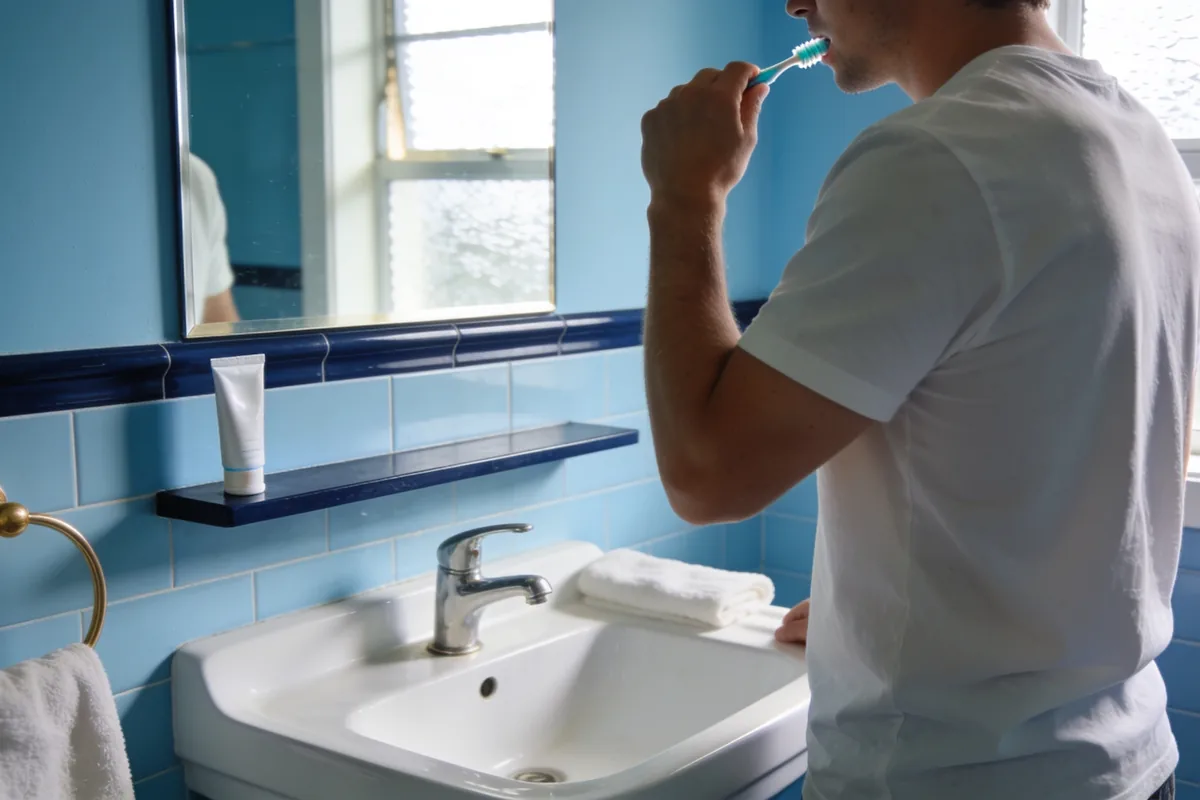
If a sip of cold water or a spoonful of ice cream makes you wince, you are not alone. Tooth sensitivity is one of the most common reasons people book a dental visit. It usually shows up as a sharp, sudden twinge that comes and goes, often when you eat or drink something cold, hot, sweet or acidic. The good news is that for most people it settles with a few simple changes. The first step is understanding what is causing it.
Why teeth become sensitive
The outside of a healthy tooth is protected by a hard layer of enamel. Below the gum line, the roots are covered by a thinner layer called cementum. When enamel wears down or gums recede, the softer layer underneath becomes exposed. That layer is full of tiny channels that lead to the nerve at the centre of the tooth, so cold, heat, sweetness or sourness can set off a quick zing.
Several everyday habits can wear that protection away. Brushing too hard is a big one, especially with a stiff brush. An acidic diet, heavy on soft drink, citrus or wine, can slowly erode enamel. Grinding or clenching the teeth, often at night, takes a toll as well. Gum disease can make the gums pull back, and even recent dental work or whitening can leave teeth feeling tender for a little while.
What actually helps
Most sensitivity improves with gentler habits rather than with expensive products.
- Switch to a soft-bristled toothbrush and brush using small, circular movements rather than sawing back and forth.
- Try a desensitising toothpaste. These contain ingredients that help block the channels to the nerve, and they usually need a few weeks of regular use to make a difference.
- Use a toothpaste that contains fluoride, which helps strengthen enamel, and consider a fluoride mouthwash.
- Wait about half an hour after eating or drinking something acidic before you brush. Brushing straight away can scrub at softened enamel.
- If you grind your teeth, ask your dentist about a night guard to take the pressure off.
If water temperature is on your mind, lukewarm is the gentle option when you rinse, but it is a minor detail. The real difference is made by the brushing and the toothpaste.
One more thing worth knowing: desensitising toothpaste works best when you give it time. Most need a couple of weeks of regular, twice-daily use before the change becomes noticeable, so it is worth sticking with one rather than switching brands every few days. And go gently while you are at it. Scrubbing harder does not clean better. It usually makes sensitivity worse by wearing enamel away.
When to see a dentist
Not every twinge is something to manage at home. If the sensitivity lingers, affects one tooth in particular, or comes with pain that does not settle, it is worth a check-up. Sensitivity can sometimes point to a cavity, a cracked tooth or a filling that needs attention, and a dentist can usually tell the difference quickly. They can also apply a stronger fluoride treatment or a protective coating if your enamel needs extra help.
It is worth mentioning sensitivity at your next appointment even when it is mild. What feels like a passing annoyance can be an early clue that your brushing technique or your diet is wearing enamel away, and a small tweak now can prevent a bigger problem later.
The takeaway is a reassuring one. Sensitive teeth are common, and for most people they are treatable with a softer brush, the right toothpaste and a dentist who can check what is going on. You do not have to live with the wince.
Sources: Australian Dental Association (ada.org.au); Better Health Channel, Victoria (betterhealth.vic.gov.au).