Automotive
How Suspension Impacts Your Driving Experience

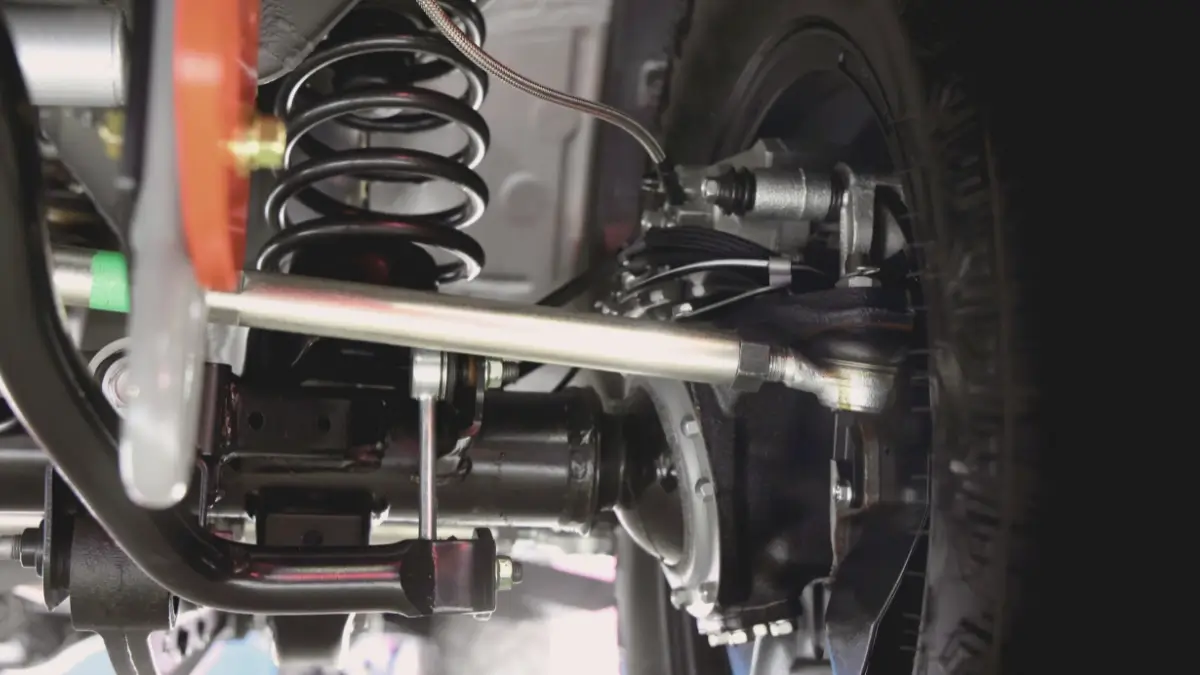
Suspension is the system most drivers notice only when it stops working properly. It sits between the wheels and the body, and its job is twofold: to absorb the bumps and dips in the road so the cabin stays comfortable, and to keep the tyres in contact with the surface so the driver stays in control. The second part matters more than the first. A car with worn suspension can feel fine on a smooth road and become unsafe the moment the road turns rough.
The two jobs of suspension
Every bump, pothole and expansion joint sends energy up through the wheels. Springs absorb that energy, and shock absorbers, the dampers, control how quickly the springs compress and rebound. Without the damping, a car would keep bouncing after every bump instead of settling. Together they do two things that pull against each other: they isolate the cabin from the road, and they hold the tyres down on it. A suspension that is too soft is comfortable but wallowy. One that is too stiff holds the road well but thumps the occupants. Most road cars are tuned to a middle ground.
The reason tyre contact matters is that a car can only steer, brake and accelerate through the patches of tyre actually touching the road. If the wheels are bouncing and losing contact, the driver loses grip even though the tyres have plenty of tread.
What it does to the way a car feels
On comfort, the effect is obvious. A car with healthy suspension absorbs a rough surface and tracks straight; one with tired shocks passes every bump through to the cabin, and the body keeps moving after the wheels have settled. Anyone who has driven the same stretch of road in two different cars has felt this difference without knowing the cause.
On handling, suspension controls how the body moves when the car changes direction. In a corner, weight shifts to the outside, and the suspension is what manages that transfer. Worn shocks allow more body roll and a slower, less settled response to the steering wheel, so the car feels vague and the driver has to correct more. On a winding road the difference between sharp and soggy handling is mostly suspension.
Braking is affected in the same way. When a car brakes hard, weight pitches forward, and the suspension controls how much the nose dives. Excessively worn dampers let the car dive deeper and then rebound, which lengthens stopping distances and makes the car feel unstable under emergency braking.
The link to tyre wear
Suspension and tyres wear out together. When a wheel is not held firmly in alignment, or when a worn shock lets the tyre bounce and scuff instead of rolling cleanly, the tyre wears unevenly and faster than it should. Patchy bald spots, feathered edges or wear concentrated on one shoulder are common clues that the suspension, not the tyre, is the problem. A wheel alignment check will not hold if the suspension parts holding the geometry are loose or worn.
When to suspect the suspension
A few symptoms point clearly at suspension trouble. The car pulls to one side on a straight, flat road. It keeps bouncing after a bump, or feels like it is rocking. The nose dives heavily under braking and the rear feels light. There are knocking, clunking or rattling noises from a corner when driving over uneven ground. The ride has become noticeably harsher, or one corner of the car sits lower than the others. And the tyres are wearing unevenly despite regular rotation and correct pressures.
None of these should be ignored, because the common thread is a loss of control. A knocking noise is often the first sign of a worn bush, ball joint or shock mount, and these parts can fail completely if left.
Why Australian roads are hard on it
Suspension wears gradually, but some driving makes it wear faster. Potholes, unsealed roads, corrugations on outback tracks and repeated heavy braking all hammer the shocks, springs and bushes. A car driven mostly on smooth sealed roads will get far more life out of its suspension than the same car used on rough rural roads or with a heavy load in the back. Towing and carrying weight also compress the suspension and speed up wear, which is worth factoring in for anyone who regularly loads the car.
What to do about it
Suspension is not a component most owners can inspect meaningfully by eye, and the parts are safety-critical, so the practical step is to have it checked by a mechanic when symptoms appear or as part of regular servicing. The worn parts, usually shock absorbers, springs or bushes, are replaced rather than repaired, and a wheel alignment is normally done afterwards because replacing suspension parts changes the geometry. Catching suspension wear early is cheaper than letting it take the tyres and the alignment with it, and it keeps the car steady when you need it most.