
Tech
Phone or Camera for Your Next Trip? A Realistic Guide to What to Pack

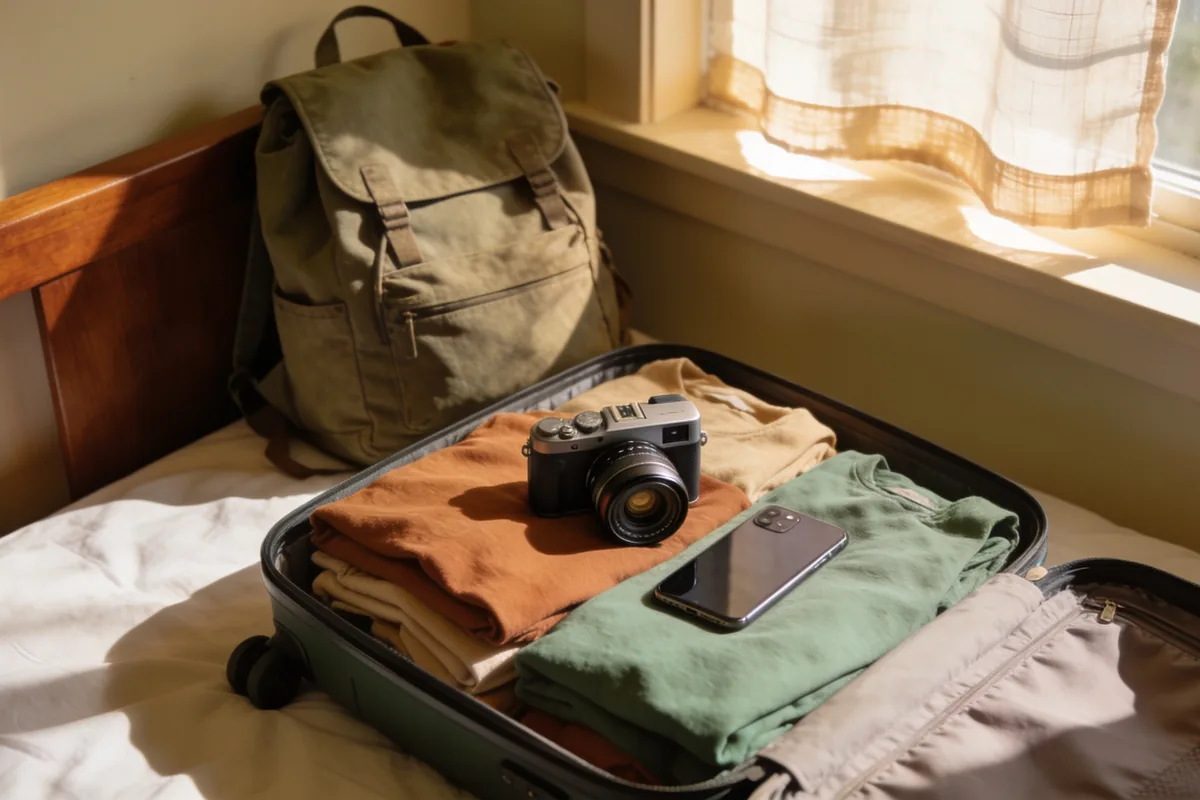
Before every trip the same question comes up: is the phone in your pocket good enough, or should you pack the camera? It is a fair question, because the answer changed as phones got better. For a lot of travel, the phone genuinely is enough. For a few specific kinds of photography, a dedicated camera still earns its place. The trick is knowing which situation you are actually in.
When the phone is more than enough
For most holidays, the phone will do the job well. In daylight, on the beach, in a cafe, at a lookout, a current phone takes photos that look great on a screen, which is where almost all of them will ever be seen. It is with you when the moment happens, and that matters more than any spec sheet, because the best photo is the one you were ready for.
Phones are especially good if your plans are social. Sharing with friends, posting as you go, sending a quick photo to the family group chat, all of that is effortless from a phone and awkward from a camera. If your photos are going to live on social media or in a shared album, the phone is the natural tool.
When a dedicated camera earns its place
There are situations where a phone, no matter how current, runs out of tricks. Low light is the big one. In the evening, indoors, at a concert or in a dim restaurant, a camera with a larger sensor pulls in more light and gives you a cleaner shot, without the blur or the heavy smoothing a phone applies.
Reach is the other one. If your trip involves wildlife, sport or anything far away, a camera with an optical zoom lens gets you closer while keeping the picture sharp. A phone can zoom too, but it is mostly cropping into the same image, and the quality drops quickly the further you push it.
Then there is video you actually plan to edit, and control. If you want to shoot in a raw format, adjust exposure properly, or film something you will sit down and cut together later, the bigger camera gives you room to work that a phone does not.
What carrying one really costs
The other side of the decision is not about image quality at all. A dedicated camera means a second thing to carry all day, a battery to keep charged and memory cards to manage. It is a more expensive thing to lose, drop or have stolen, so it adds a layer of worry and often a line on your insurance. The files also need transferring and backing up, which is a small chore you will deal with back at the hotel.
There is also the risk that the camera stays in the room. A camera that is too heavy, too precious or too fiddly ends up on the bedside table while the phone, which was in your pocket anyway, takes the actual holiday. That is the most common way a camera purchase disappoints.
How to decide
Ask yourself three things before you pack it. Where are you going, and what will you actually be pointing a lens at? If the answer is city streets and meals, the phone is plenty. If it is a wildlife trip, a week of evening festivals or golden hour on the water, the camera earns its keep.
What do you plan to do with the photos? If they will be printed large, or turned into something you will keep editing, bring the camera. If they are memories to scroll through, the phone is enough.
And will you carry it? Be honest. The right camera for a trip is the one that is still around your neck at 4pm, not the one that felt like a good idea in the shop.
Pack the right tool
You do not need to buy a camera to justify a trip, and you do not need to leave a good one at home to prove a point. Take the phone, because it is coming anyway. Add the camera only when you have a real reason, and you will enjoy both more. The best camera for a holiday is simply the one you will actually use.