
Tech
Dumb Phones Are Back: When Switching From a Smartphone Actually Makes Sense

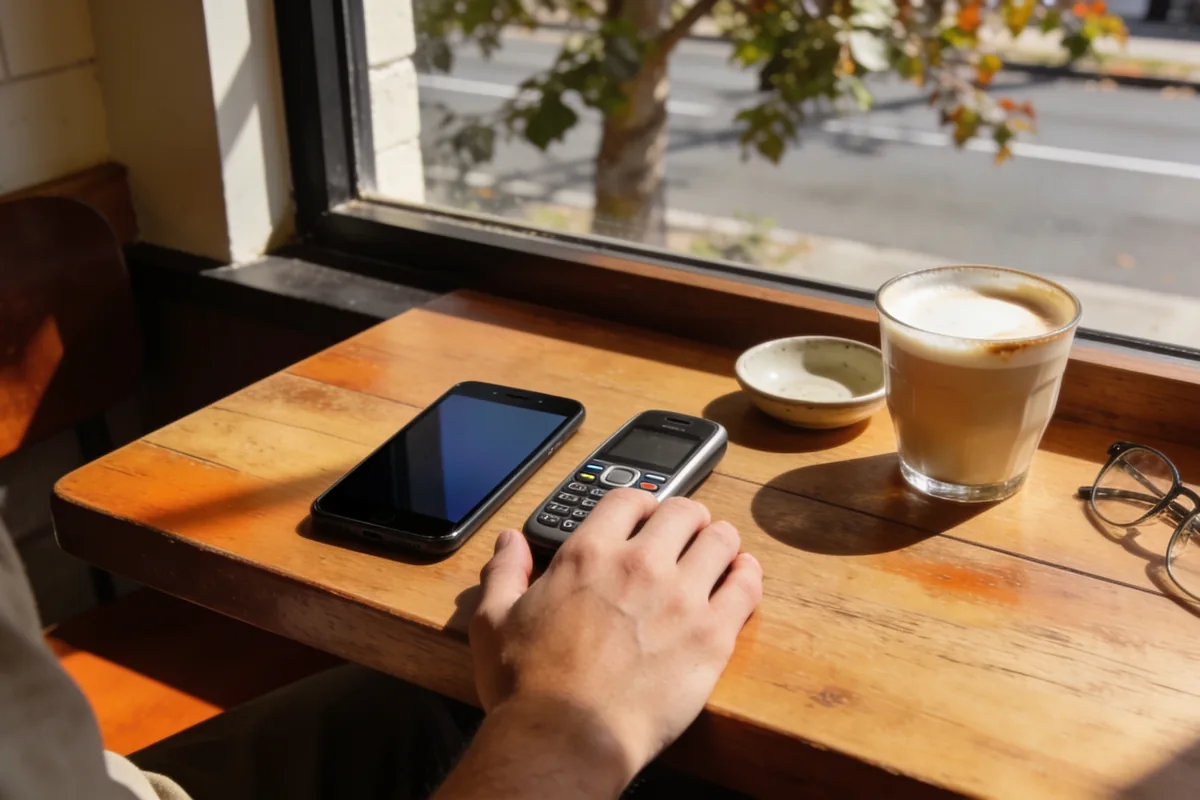
“Dumb phone” sounds like an insult, but it is the word people actually use for the handsets making a quiet comeback: basic phones that call and text and stop there. If you have noticed how often your hand reaches for your smartphone without your brain deciding to, the appeal is obvious. Before you make the switch, though, it helps to be realistic about what you are gaining and what you would give up.
What you would escape
The biggest difference is not the hardware, it is the absence of everything the smartphone drags along. No notification badges waiting for you, no infinite scroll at 11pm, no reflex check of the same four apps every few minutes. A basic phone does not have an app store, so those apps cannot call for your attention in the first place.
There is a data side too. Every app on a smartphone collects something, about where you go, what you read, who you talk to. A phone that cannot run those apps has far less to hand over. If you have been meaning to shrink your digital footprint, switching off the apps is a more honest fix than adjusting a privacy setting and calling it done.
What you would lose
This is the part the nostalgia tends to skip. A modern basic phone still calls and texts, but the things we quietly rely on do not all survive the move.
Navigation is the first one most people notice. You can plan a route before you leave, but you lose the turn by turn voice that gets you through an unfamiliar suburb. Banking apps go too, along with tap to pay, which means carrying a card again and logging in on a computer. Messaging gets clunkier, because a lot of your groups now live inside apps rather than in SMS. And two factor authentication, the text message code that gets you back into your accounts, becomes awkward on a phone that does not handle apps well.
None of these are deal breakers on their own. Together they mean a basic phone works best when you have a laptop or a second device nearby for the jobs it cannot do.
When the switch genuinely helps
There are situations where a simple phone is not a downgrade but a relief. If your screen time is running your evenings, a phone that cannot show you social media removes the temptation instead of asking you to resist it. The same goes for holidays, where the point is to be somewhere else, not to keep checking where you are. A basic phone can also make a good first phone for a child, or a deliberate second phone for the times you want to be reachable but not entertained.
When it will frustrate you
Be honest about the flip side. If your day runs through apps, if you are forever navigating to new places, if your work expects you on email or your social life lives in group chats, a dumb phone will not last a week. You will end up carrying the smartphone anyway, and now you are carrying two phones. That is not a simpler life. It is just heavier.
The middle path
Most people do not need to choose between a smartphone and a brick. There is a softer version that keeps the useful parts and drops the compulsive ones. Turn off notifications for everything except calls and messages. Delete the apps that eat your time, and use the website when you genuinely need them. Switch your screen to greyscale, which makes it noticeably less magnetic. Leave the phone in another room at night. Try any of these for a week before you spend money on new hardware.
Take back your attention
Switching to a basic phone is not a moral victory, and staying on a smartphone is not a failure. The question is simply whether the phone is running your attention or you are. If you can get the balance back with a few settings, do that. If you cannot, a dumb phone might be exactly the reset you need, and you can always switch back.