
Healthcare
Staying at Home as You Age: How Home Care and Home Care Packages Work

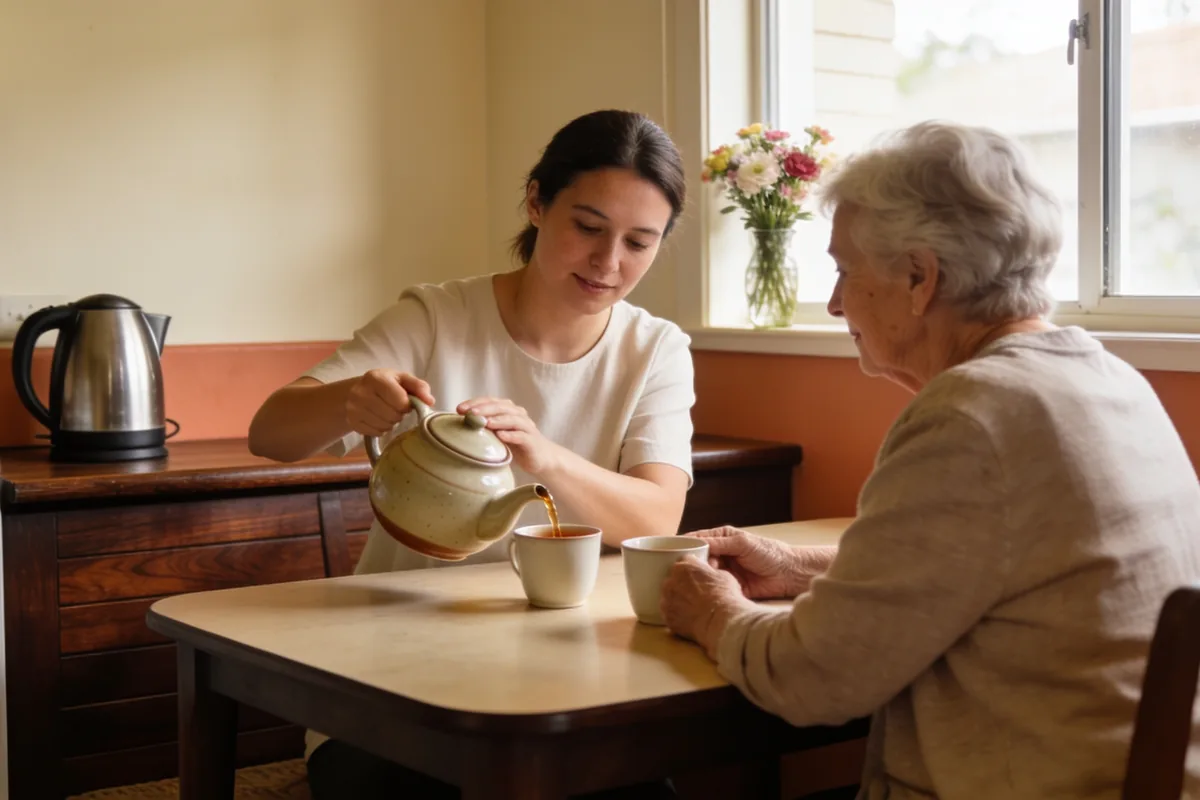
The kettle goes on at the same time every morning, and for years that was all the morning took. These days there are extra steps: a rail by the back step, a shower chair, a phone call to a daughter who checks in before her own day starts. Staying in the family home is still the plan. Making it work just needs more thought, and more help, than it used to.
The help is available, and it comes in layers. Working out which layer you need is most of the battle. This guide walks through the options, from the help that starts around the kitchen table to the formal packages that bring care workers to your door.
The help that is already there
For most people the first layer is unpaid and already in place: a partner, children, neighbours, friends, a volunteer who does the shopping. None of this is organised by the government, but it matters more than any program, because it keeps most older Australians at home.
It also shapes the assessment. A professional starts from what is already provided, so public money fills gaps rather than duplicating what family does.
Entry-level support: the Commonwealth Home Support Programme
When the informal layer is no longer quite enough, the first funded option for most people is the Commonwealth Home Support Programme. This is the entry-level program for older Australians who need a bit of practical help to keep living independently.
It covers help with housework, personal care, transport to appointments, meals, home maintenance and social activities. The help is lighter and more task-focused than a full care package. The government subsidises it; participants usually contribute a modest amount based on their situation.
When more care is needed: Home Care Packages
If needs are greater, a Home Care Package may be more appropriate. Packages come in four levels, from level 1 for basic needs to level 4 for high care needs.
A package is not simply a worker who turns up. It is a government subsidy paid to an approved provider that you choose, and the provider coordinates your care around a plan written with you. That plan might include personal care, nursing, allied health such as physiotherapy, help with cleaning and meals, assistive technology and small home modifications. The level of the package is set by your assessed needs, not by what you can afford.
There are costs. Recipients generally contribute towards a package, and the amount depends on income, the level of the package and the services used. A provider must set the costs out in writing before you agree to anything, and help is available if fees are a worry, so raise the subject early.
Start with one phone call: My Aged Care
Do not try to work out on your own which program you qualify for. Every funded option in this article starts at the same place: My Aged Care, the government’s single entry point for aged care, online or by phone.
You have a conversation about your situation, and if funded help looks likely, an assessment is arranged in your home. For lower-level needs this is generally a regional assessment; for higher or more complex needs, an aged care assessment team (known in Victoria as the Aged Care Assessment Service) looks at your circumstances and recommends the level of support. Take a family member or friend with you if you can; the assessment shapes everything that follows.
What a provider actually does
Once you are approved for a package, you choose an approved provider and can change providers if it is not working. The provider handles the day-to-day running of your care: writing the plan with you, arranging the workers, keeping the package budget on track and reporting back on how the care is going.
You remain in control. You set the schedule, decide who comes into your home and can ask for the plan to change as your needs do.
A system in transition
If the names in this area feel as though they keep shifting, that is because they are. The government has been progressively bringing the entry-level program and the Home Care Packages together under a single in-home care program, and contributions have changed with it. For anyone starting now, the names matter less than the route: My Aged Care and the assessment will explain what is available and what it costs.
For someone younger with a permanent and significant disability, help at home comes through the NDIS rather than aged care. Our guide to NDIS home and community supports explains how that scheme works for people who qualify for it.
Where to start
Most older Australians who want to stay at home can, with the right layer of help in place. The common thread is to start early: the earlier you call My Aged Care, the more options you have and the less rushed the decisions feel. The kettle can keep going on at the same time every morning, and the extra steps are just part of the routine now.
References
My Aged Care, myagedcare.gov.au
Australian Government Department of Health and Aged Care, health.gov.au











You must be logged in to post a comment Login