
Home & Garden
A Windowsill Herb Garden: The Herbs That Grow Indoors Without Fuss

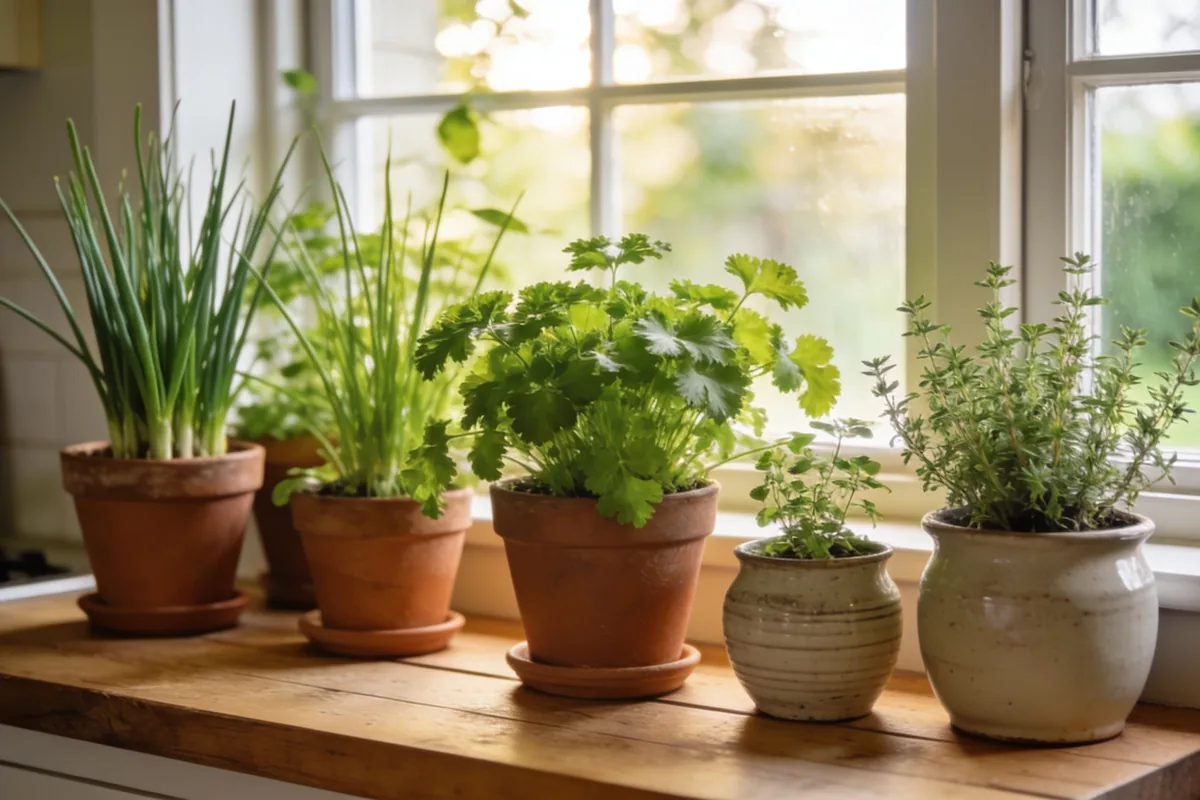
The short version
- Start with the easy five: chives, mint, parsley, thyme and oregano cope best with indoor life. Basil works if it gets the brightest, warmest spot you have.
- Light decides everything. A north-facing or east-facing windowsill in Australia gives herbs the most useful light.
- Kill them with kindness. Most indoor herbs die from overwatering, not neglect. Pots need drainage holes and should not sit in a saucer of water.
If you have ever bought a pot of supermarket basil and watched it turn to a sad stem within a fortnight, this is the article for you. Fresh herbs are the cheapest way to make everyday food taste better, and a windowsill garden is a small, forgiving first step into growing your own. You do not need a green thumb. You need the right herbs, the right window and a lighter hand with the watering can.
The honest truth about indoor herbs
Here is the reality check nobody gives you before you buy that first pot: most herbs want more sun than an indoor windowsill can offer. They evolved in open ground with full sun, and a sill inside a house is a pale imitation of that. That is why so many herb plants die indoors. It is not your fault, and it is not because you are bad at plants.
The trick is not to fight the light. It is to choose the herbs that tolerate indoor conditions and let the others go. Plenty of herbs are genuinely happy on a sill, and those are the ones this article is about. The herbs that need a garden bed or a sunny balcony are a different list, and knowing the difference is what stops you blaming yourself when a plant gives up.
If the budget has been worrying you, start small. Two or three pots is enough, and you can build from there.
The easy five
These five cope with lower light and forgiving watering better than anything else you can grow indoors. Each has its own character, but they share one trait: they would rather be a little dry than a little drowned.
Chives
Chives are the hardest to kill on this list, which makes them the perfect first herb. They grow like grass, you snip them with scissors, and they regrow. They shrug off the mistakes beginners make. If you only grow one thing, grow chives. They will still be alive in a year.
Mint
Mint is vigorous almost to a fault. It grows quickly, spreads happily and does not seem to notice the indoor light. The one rule with mint is to keep it in its own pot, because it will take over any pot it shares. Give it its own space and it will reward you with more leaves than you can use.
Parsley
Parsley is forgiving and slow to start. The seeds can be patient, so do not give up on the pot too early. Once it is going, it keeps producing for a long time, and it copes with the slightly dimmer spots better than most. It is the quiet, reliable one of the group.
Thyme
Thyme is woody and drought tolerant. It wants less water than the leafy herbs, and it prefers to dry out between drinks. It grows slowly, which suits a windowsill, and it does not complain if you forget about it for a few days. A little neglect suits it fine.
Oregano
Oregano is thyme’s cousin in temperament. It is tough, aromatic and happy with less water and more neglect. Both thyme and oregano are the herbs to pick if your problem has always been overwatering, because they will forgive the dry spells that would finish off a basil plant.
Basil, the one worth the light
Basil is the odd one out. It is the herb most people actually want, and it is the least forgiving on a sill. It wants the warmest, brightest spot you have, and it will still let you down if the light is weak. Do not let that put you off, but go in with honest expectations. Give basil your best window and treat it as a guest that needs the prime position, not a plant that will survive anywhere.
The ones that are more work
The honesty section. These are not failures waiting to happen, but they need more from you, and knowing that in advance stops you blaming yourself later.
Coriander grows fast and bolts, which means it runs to seed quickly. A single coriander plant is a short-lived thing, so the trick is to sow it regularly rather than expecting one plant to last. A pinch of seed every few weeks keeps you in leaves.
Sage wants more room than a small pot gives it. It can grow into a proper bush, and while a cutting will survive on a sill for a while, it will not thrive long term in a tiny pot.
Rosemary wants more sun than most sills offer. It can survive indoors with careful watering, but it sulks in low light. If you have a very bright window it may do fine; otherwise it is one to grow outside.
None of these mean you failed. They mean you chose a plant that wanted a different home.
Light, pots and potting mix
Light is the whole game, and in Australia the direction of your window decides it. A north-facing sill gives the most useful light through the day, which is why it is the classic choice for herbs. An east-facing sill is the next best, giving good morning sun without the harsh afternoon heat. A west-facing sill can get too hot in summer, and a south-facing one is often too dark for most herbs.
If you only have a south or west window, do not give up. Choose the shade-tolerant herbs, chives, mint and parsley, and you can still grow something. You just have to work with what the window gives you.
Pots need drainage holes. Herbs do not like sitting in a saucer of water, so empty the saucer after watering rather than leaving it full. Use a good-quality potting mix, not garden soil, which drains poorly and can carry problems. And give each plant room. A herb crammed into a tiny pot with three of its friends is a herb under stress.
A supermarket herb pot often holds several seedlings crammed into one small container, which is part of why the plant can look lush for a week and then collapse. Bring one home and it is worth splitting the clump into separate pots, or at least giving it more room and fresh mix, so the roots are not fighting each other for space.
Herbs are light feeders. They do not need much fertiliser, and a weak feed every few weeks through the growing season is plenty. Overfeeding produces soft, leafy growth that flops over, which is the opposite of what you want from a plant you plan to snip.
Watering without killing them
If you remember one thing from this whole article, make it this: check the soil with your finger before you water, and water only when the top feels dry. Most indoor herbs die from sitting in wet soil, not from thirst. The roots rot quietly, the leaves go yellow, and the plant looks like it died of neglect when it actually died of kindness.
Match the water to the herb. Thyme and oregano want it drier, so let the soil dry out between drinks. Parsley and mint want more, and they will tell you by drooping when they are thirsty. A droop that recovers after watering is not a crisis. It is the plant talking to you.
Two warning signs tell you which mistake you have made. Yellow, limp leaves usually mean too much water, because the roots are drowning. Dry, crispy leaves, with the soil pulling away from the edge of the pot, mean too little. Match the symptom to the fix and most plants will recover.
When in doubt, leave it another day. A herb can forgive a missed watering far more easily than it can forgive a week of wet feet.
Harvesting so they keep producing
The way you pick matters as much as the way you water. Snipping from the top encourages the plant to bush out, so harvest little and often, and always leave enough leaves for the plant to keep growing. Never strip a plant bare. That is the fastest way to shock it into giving up.
Pinch out flower buds when you see them. A herb that flowers thinks its job is done and stops putting energy into leaves. Pinch the buds off and the leaves keep coming. When a plant gets leggy, with long bare stems and leaves only at the top, give it a harder cut back and it will usually resprout from the base.
The leafy herbs, chives, mint and parsley, give the fastest return, which makes them the ones to harvest first while the slower woody herbs build up.
When you have more than you can use, do not let it go to waste. Most herbs dry easily, hung in small bunches or laid on a rack out of direct sun, and the woody ones like thyme and oregano hold their flavour well when dried. The leafy ones, parsley and mint, freeze better than they dry, so a chop and a freezer bag in summer gives you herbs in the middle of winter.
From windowsill to plate
The whole point of the sill garden is the plate. Cut herbs in the morning, before the heat of the day, when the oils that carry the flavour are at their strongest. Wash them and use them soon, because cut herbs lose their edge quickly.
If you are wondering what to do with the first harvest, start with the three sure things: chives for eggs, parsley for almost anything savoury, and mint for tea or salads. None of those need a recipe. You chop and you scatter, and suddenly the dinner tastes like it cost more than it did.
A windowsill garden is not about growing all your own food. It is about having a few fresh herbs within arm’s reach when you need them, which turns out to be most days once they are there. You will use more than you expect, and that is the nicest surprise of the whole project.
There is a quieter win here too. A pot of herbs on the sill means one less plastic punnet of herbs from the supermarket, and cutting that habit is easier than you might think. If you want to go further, our guide to going plastic free at home covers the swaps that actually stick, and the herb pot is one of the easiest of them.
What it comes down to
Pick the easy five, give them light and drainage, and water by feel rather than by schedule. That is the whole formula, and it is more forgiving than you expect.
You will not get it perfect. Some plants will sulk, and some will give up, and that is normal, even for people who have grown herbs for years. Start with one or two pots, learn what your window can do, and build from there. A windowsill herb garden is not a test of character. It is a small, steady pleasure, and the first time you snip fresh chives into your own scrambled eggs, you will wonder why you did not start sooner.
Sources: ABC Gardening Australia, growing herbs in pots and indoors · Sustainable Gardening Australia (SGA), herbs, pots and watering basics · State horticulture and agriculture agencies, growing culinary herbs