
Science & Nature
SpaceX Starship: Why Reusable Rockets Matter (in Plain English)

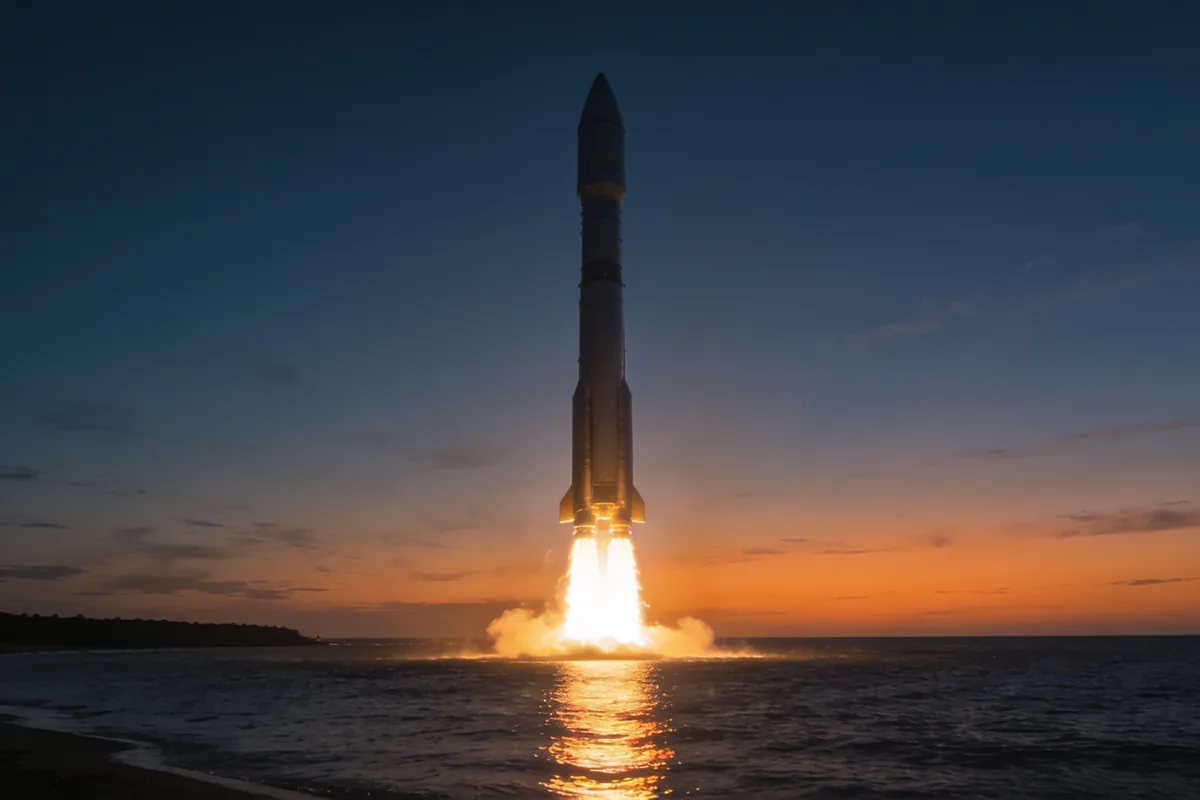
The short version
- The old way: a rocket was used once, then thrown away, engines and all.
- The new way: the booster flies back and lands, is refuelled and flies again, which is what has driven launch costs down.
- Where it stands in 2026: Falcon 9 reuse is routine, Starship is flying real missions, and the industry is racing to copy the trick.
A rocket that lands itself sounds like the opening of a science fiction film. In 2026 it is routine enough that the space industry treats it as the new baseline. This guide explains how reusable rockets work, why landing a booster is so hard, and what the shift actually means for the cost of getting to space.
Why rockets used to be throwaway
A rocket is mostly propellant tank. The structure has to hold tens of thousands of litres of fuel, and almost all of that fuel is burned in the first few minutes just to get the vehicle off the ground. The genuinely expensive parts are the engines, the avionics and the guidance systems, and for sixty years those parts were used once and then dropped into the ocean.
That is why launching was so expensive. The bill covered more than fuel and a launch crew. It covered a brand new rocket every single time, and the most costly components were thrown away after about ten minutes of work.
“Throwaway” sounds like an insult. In rocketry it was simply the design. Nobody had worked out how to bring the expensive hardware back in one piece, so nobody designed for it.
The trick: landing the booster
The way to reuse a rocket is to recover the part that costs the most. That is the booster, the tall first stage with the engines that lifts the whole stack off the pad.
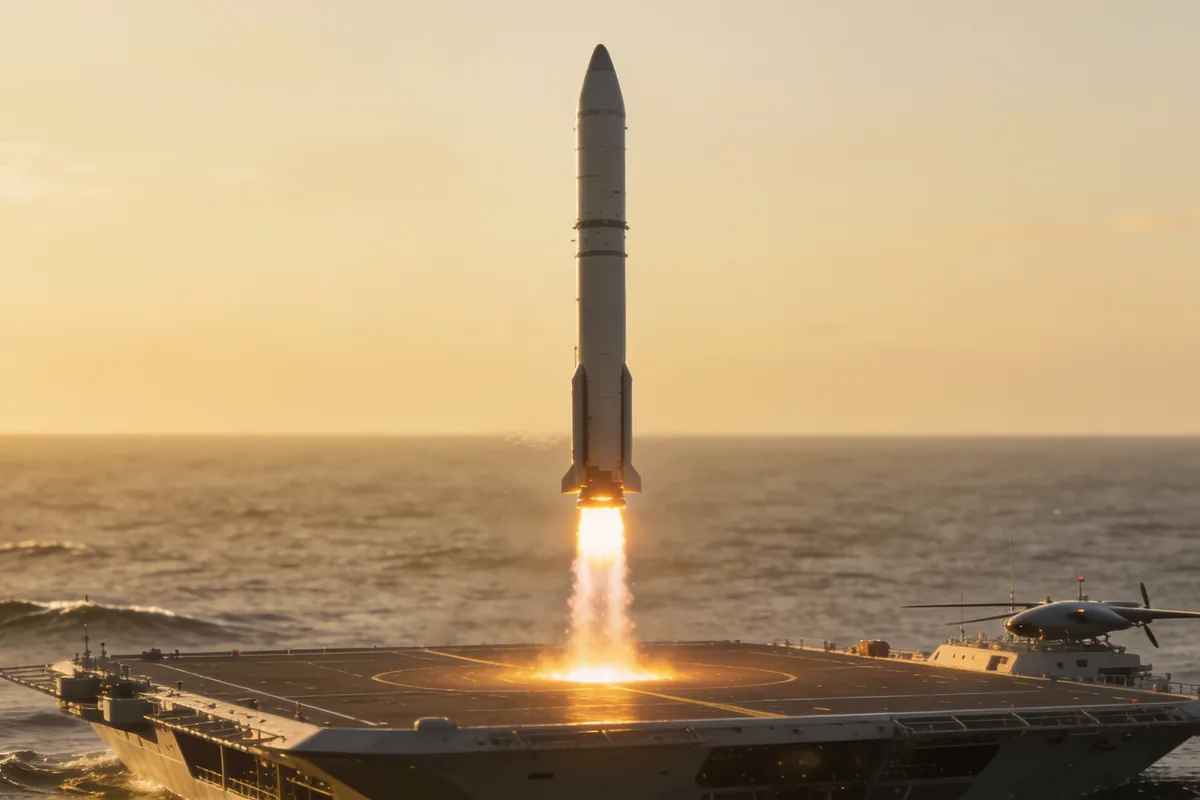
The booster separates after the first minutes of flight, then turns around and comes back. It lands vertically on legs, either on a pad near the launch site or on a drone ship waiting at sea, depending on how far downrange it has travelled.
The engineering is brutal. The booster has to kill a huge amount of speed, balance on the thrust of its own engines and hit a precise landing point, all while the empty tank sways above the engines like a pendulum. That is why it took years of failed landings before the method worked. Falcon 9, built by SpaceX, is the vehicle that made it routine, with hundreds of booster landings and re-flights now behind it.
The economics that changed
Reuse changes the maths of spaceflight because it spreads the cost of the expensive hardware across many flights. A booster that flies twenty times still costs what it cost to build, but that cost is now divided by twenty launches instead of one. The price of sending something to orbit has come down as a result, and cheaper access has opened up markets that did not exist when every launch meant building a new rocket.
The size of the saving tracks with how much of the rocket comes back. Recovering the booster captures a large share of the hardware cost. Recovering the upper stage as well captures most of the rest. That is why the industry describes full reuse as the prize, and why the biggest systems are all being designed to bring more of the vehicle home.
Starship: the fully reusable system
Starship is SpaceX’s larger system, and it is the most direct attempt at full reuse. It is built in two parts that are both meant to come back: the Super Heavy booster and the Starship upper stage. Neither is designed to be thrown away.
The signature method is the “catch”. On earlier flights SpaceX demonstrated catching a returning booster with the mechanical arms of the launch tower, rather than letting it land on legs. The approach removes the weight of landing legs and sets the booster straight back onto the launch mount for refuelling.
The honest state of play as of mid-2026 is more measured than the headlines. Starship moved from test flights to flying operational missions during 2026, deploying real payloads, with controlled ocean splashdowns used while routine tower catches of both stages were still being worked toward. The trajectory is clear, but the routine part was not yet complete at the time of writing, and readers should treat any claim about a specific later flight as unverified.
The rest of the field
Reusability stopped being one company’s project some time ago. Blue Origin’s New Glenn landed and reflew a booster in 2026, before a launch-pad incident grounded the vehicle for rebuilding. Rocket Lab’s Neutron is designed for reuse and was targeting a first flight in 2026.
The pattern across the industry is the point. Every serious launch company is now building for reuse, because the economics leave no room for the alternative. The question is no longer whether rockets should land themselves. It is who will do it most reliably.
Why it matters to someone who is not a rocket fan
Cheaper, more frequent launches change what happens in orbit, and orbit is where a growing share of everyday life now runs. More satellites mean more of the services that depend on them, from navigation to communications to weather forecasting. Lower costs also mean more science can fly, and they are the precondition for sending people beyond low Earth orbit at a price that is not national-budget-sized.
There is an honest counterweight. More launches and larger constellations mean more traffic in the sky, which astronomers and the regulators who manage orbital space are still working out. The sky is busier, and that is not an unmixed blessing.
For an Australian audience there is a lighter angle. Launch streams and local tracking make it easy to follow the missions, and the southern sky is a good place to spot satellites and, occasionally, the bright trails of re-entry events.
What reusability actually changed
Rockets land themselves now because it is cheaper, and because the technology finally caught up with an idea that is decades old. Reusability turned spaceflight from a spend-once luxury into an industry that can plan for the next launch, and the next after that.
It is also one of two reasons the sky above Australia is worth watching in 2026. The other is the aurora australis, and the site’s guide to seeing the southern lights explains where and when to look.
Sources: NASA – the case for reusable launch vehicles · SpaceX – Starship and Falcon 9 programme updates (as reported mid-2026) · Aerospace America / AIAA – year-in-review of reusable launch vehicles