Pets & Animals
Fun Toys That Ease Dog Separation Anxiety

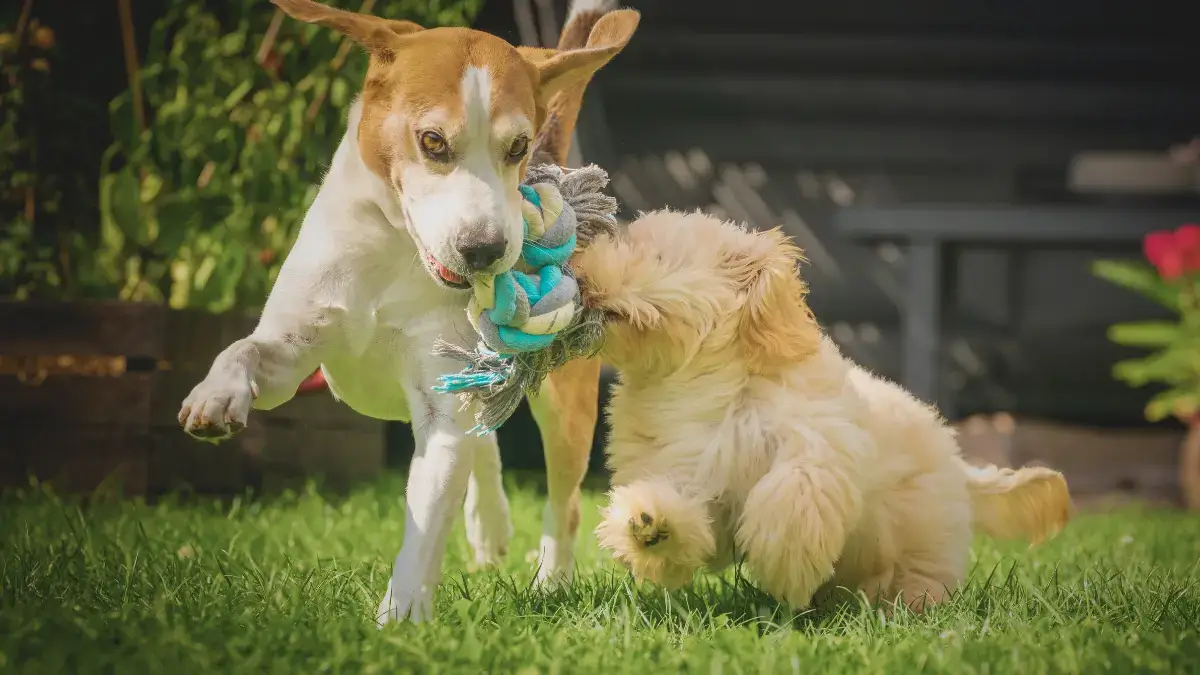
A dog that panics when its owners leave is not being naughty. Separation anxiety is a genuine distress response, and it shows up in ways that are hard to miss: pacing, drooling, barking, scratching at doors, toileting inside or destroying things near the exit. Owners often reach for toys first, and toys have a real place. But the evidence points to a distinction that matters. Toys manage the boredom and the mild unease, while true separation anxiety needs a behaviour plan, not just a better chew.
What toys can and cannot do
Enrichment reduces stress, but it does not cure separation anxiety. A dog that is anxious about being alone is not simply under-stimulated. The panic is a learned and emotional response to a specific trigger, the owners leaving, and no treat-dispensing toy can undo that on its own. What toys can do is shift the first part of the departure, keep the dog occupied through the worst of the early minutes, and give the owners a way to make leaving less of an event. Used well, they are part of the solution. On their own, they are only a temporary fix.
Puzzle and food-dispensing toys
These are the workhorses. A toy that makes a dog push, roll or slide pieces to release food turns alone time into a job, and a job is absorbing. The key is difficulty. If the toy is too hard, the dog gives up and the frustration adds to the distress. If it is too easy, it is finished in two minutes. Starting with a simple version and working up is more effective than buying the hardest puzzle on the shelf.
Long-lasting chews
Chewing is a natural calming behaviour for many dogs, which is why a good chew can outlast the anxiety spike that follows a departure. The options range from dental chews to tougher natural products, and the right one depends on the dog’s size, chewing style and what the vet has approved. Safety is the constraint. Anything hard enough to crack a tooth, or small enough to swallow whole, is not a good choice no matter how long it lasts.
Lick mats and frozen treats
Licking has a soothing effect for dogs, and a lick mat spread with something the dog enjoys, then frozen, can occupy a dog for a surprisingly long time. The slow, repetitive action seems to settle dogs the way it settles people. Lick mats are also cheap, easy to clean and useful at the moment of departure, because the dog is focused on the mat rather than on the door closing.
Comfort toys
Plush toys with a place for a warm pack, or ones shaped to be leaned against, are marketed as comfort items and some dogs do use them that way. The evidence here is thinner than the marketing suggests, and a soft toy will not survive long in the mouth of a serious chewer. Treat comfort toys as a nice extra for dogs that already settle with something to hold, not as a solution for a dog that is destroying things.
Setting the toy up to work
The way a toy is introduced matters more than the toy itself. If the special treat toy only ever appears when the owners are about to leave, the dog learns to read it as a cue, and the toy becomes part of the departure ritual rather than a distraction from it. It works better when it is not always associated with leaving. Bringing the toy out at random times, and letting the dog see it as a regular positive, means it still holds value on the mornings it is needed.
Timing also counts. A tired dog settles faster than an excited one, so a walk or a play session before departure takes the edge off before the toy takes over. And the first ten minutes after the owners leave are usually the hardest, which is when the most absorbing toy should be reserved.
When a toy is not enough
If the dog is clearly distressed, pacing, drooling, barking for long stretches or hurting itself, the problem is not boredom and no amount of enrichment will fix it. That is the point to bring in a veterinarian or a qualified behaviourist, and in some cases medication is part of the answer. Separation anxiety is treatable, usually through a structured program of short, gradual absences that teach the dog that being alone is safe. A professional can design that program properly, which is harder than it sounds, because doing it wrong can make the anxiety worse.
The sensible sequence is to use toys as one part of a calmer departure routine, exercise the dog beforehand, and treat any signs of real distress as a reason to get professional help rather than a prompt to buy more toys.