Healthcare
How Dry Needling Unlocks Pain Relief in Every Step

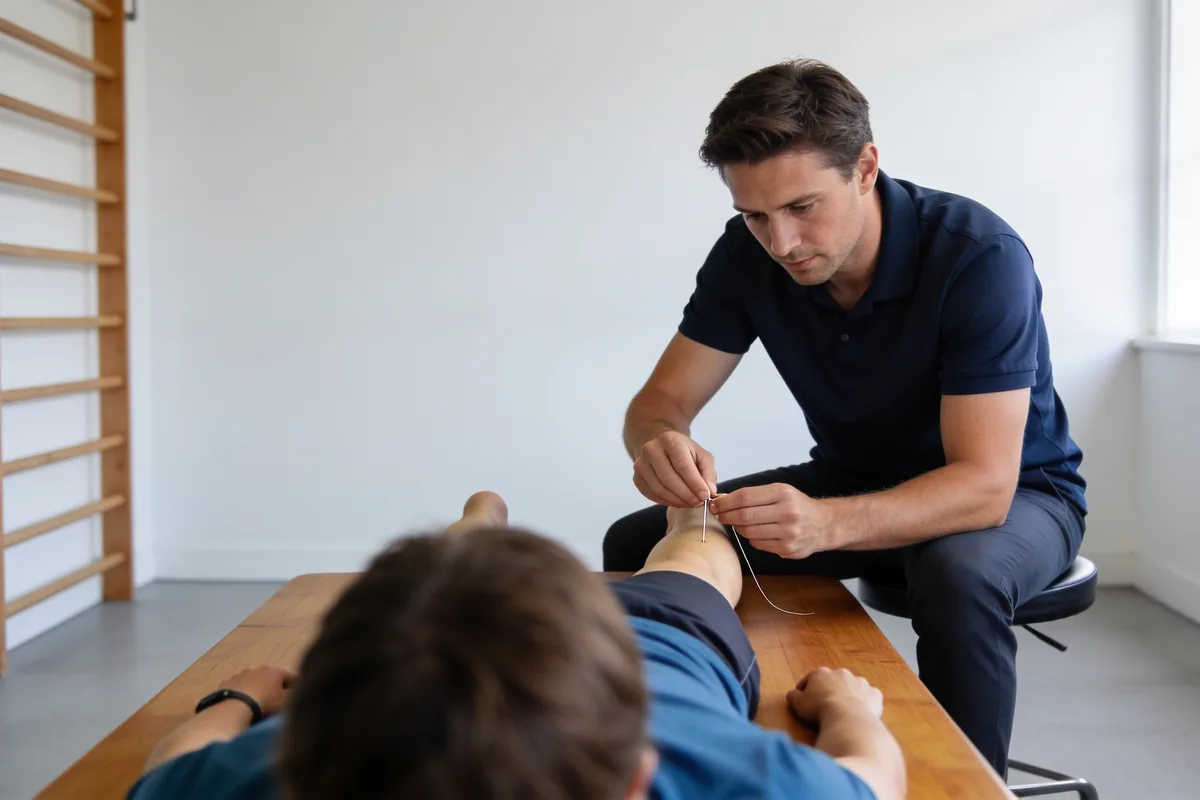
If every step is a small wince, whether it is a sharp jab under the heel first thing in the morning or a deep ache in the calf that never quite loosens, you have probably tried the usual things. Rest, stretching, better shoes, ice. And you may have found that some of it helps for a day and then the pain settles back in. Dry needling is one of those treatments people mention with a slightly nervous look, mostly because the name sounds more alarming than the experience actually is.
It is worth understanding before you rule it out, because for a lot of foot and leg pain it is a genuinely useful option.
What dry needling actually is
Dry needling uses very fine filament needles, the same type used in acupuncture, to target tight bands and trigger points in muscle. The needle is thin enough that most people barely feel it going in. When it reaches a tight spot, you may feel a brief twitch or a dull ache as the muscle gives, which is usually the sign that the treatment has found what it was looking for.
The word “dry” simply means there is no medication or fluid injected. The needle is doing the work on its own, releasing the tension in the muscle and improving blood flow to the area. It is not the same as acupuncture, although the tools look similar. Acupuncture works from a theory of energy pathways, while dry needling targets specific muscular problems based on anatomy.
Why it helps with foot pain
A lot of foot pain does not actually start in the foot. Tight calves pull on the Achilles tendon, which changes the way your foot lands, which puts extra strain on the arch and the heel. That chain is why a treatment in the calf can bring relief to the bottom of the foot.
Dry needling is often used for conditions like plantar fasciitis, heel pain and tightness through the Achilles tendon and calf. By releasing the tight muscle bands that pull on those structures, it takes pressure off the area that is actually hurting. Many people notice their foot feels lighter and their step less guarded after a session, even if the underlying issue needs a few treatments to settle properly.
It is not a magic fix on its own. It tends to work best as part of a broader plan that includes stretching, strengthening and looking at your footwear. But as a way to unlock a muscle that will not let go, it can be the piece that makes everything else start working.
What a session feels like
If you have never had it done, the nerves are usually worse than the needles. You lie down and the practitioner feels for the tight bands first. The needles are tapped in quickly, and you might feel a small pinch or nothing at all. When a needle hits a trigger point, you can feel a brief twitch, which some people describe as a small cramp. It passes quickly.
Sessions are fairly quick, and it is common to feel a little sore afterwards, the way you do after a deep massage. Drinking water and moving gently in the hours after can help. Many people report noticeable relief within two to three sessions, though some feel a difference after the first.
The important thing is that you should never be steeling yourself through it. If something hurts more than a passing twitch, say so. A good practitioner will adjust.
Is it safe, and who should do it
Dry needling is generally safe when it is done by a properly trained practitioner, which in Australia usually means a physiotherapist, myotherapist or similar health professional with specific training in the technique. They should be able to explain what they are doing, why they are targeting a particular muscle, and what you should expect afterwards.
It is not for everyone. If you are pregnant, have a bleeding disorder, take blood-thinning medication, or have an infection or a serious medical condition, check with your doctor before booking a session. The needles are single-use and sterile, so infection risk is low when standard hygiene is followed. The real risk is an inexperienced practitioner needling somewhere sensitive, which is another reason to choose someone qualified rather than the cheapest option.
What it costs and where to find it
Costs vary depending on the clinic, the city and the length of the session, and dry needling is usually included within a standard physiotherapy appointment rather than charged as a separate item. It is offered by physiotherapy and myotherapy practices across Australia, including Melbourne and Perth, so it is not hard to find close to home.
If your private health cover includes physiotherapy, you may be able to claim part of the cost. A quick phone call to the clinic before you book will tell you what the session includes and whether you need a referral, though for most people no referral is required.
More than a needle
Dry needling is a fine-needle treatment that releases tight muscle bands, and for foot pain that travels up the chain from the heel to the calf it can be surprisingly effective. It is not the scary needle experience the name suggests, and it is at its best as part of a plan that also includes stretching and strengthening. If your step has been guarded for months and the usual remedies have stopped helping, it is worth a conversation with a qualified practitioner.
For background on musculoskeletal conditions in Australia, the Australian Institute of Health and Welfare publishes a summary of its musculoskeletal conditions report at aihw.gov.au. The Australian Podiatry Association has information on foot health at podiatry.org.au, and Victoria’s Better Health Channel covers dry needling and related treatments at betterhealth.vic.gov.au.