
Food
The History of Tapas and Why It’s More Than Just a Snack

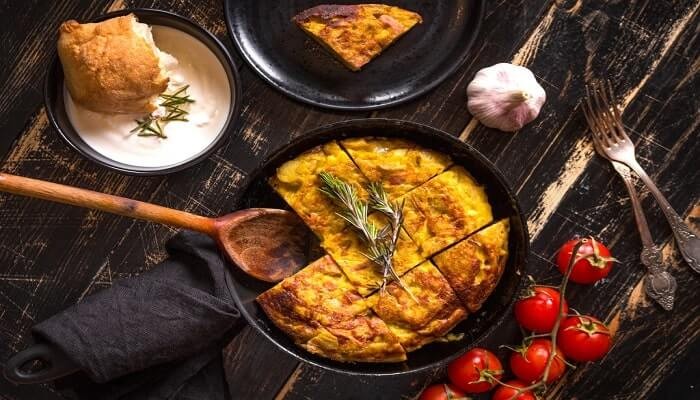
Ask anyone who has spent an evening in Spain what they remember, and it is rarely one dish. It is the rhythm of the night: small plates arriving one after another, a glass refilled, conversation stretching on longer than anyone planned. Tapas looks like a menu of snacks, but it is really a way of eating, and its history explains why.
Where the word came from
The Spanish word “tapa” means a lid or cover, and the most repeated story about tapas starts with a cover. In the bars of Andalusia in southern Spain, glasses of sherry were left open to the dust and the flies, so a slice of bread or cured ham was laid across the top of the glass. The customer got a snack with the drink, and the drink stayed clean.
There is a more colourful version too, often told about King Alfonso XIII. On a visit to Cadiz, the story goes, the king ordered a sherry and a waiter covered the glass with a slice of ham to keep the sea sand out of it. The king asked what the ham was for, and the waiter answered that it was a “tapa”, a cover. Whether or not that exact scene happened, the word and the habit clearly began as something practical.
From free cover to a style of eating
For a long time the tapa was simply what came with the drink. Over the years the free slice of bread or ham grew into a small plate in its own right, and bar owners began to compete on what they could offer. Each bar developed its own speciality, and eating tapas turned into “ir de tapas”: moving from bar to bar, trying one or two plates at each stop before walking on.
That is still how it works in much of Spain. You do not sit down to a single meal so much as make an evening of small ones, and the point is as much the company as the food.
How tapas grew beyond Spain
Tapas spread well beyond Andalusia as Spanish cooking became better known abroad. In the north of Spain, the Basque Country developed its own close relative, pintxos, small bites usually held together with a skewer and eaten standing at the bar. Elsewhere in Europe and in Australia, restaurants began offering Spanish-style small plates for sharing, and the idea of ordering several dishes to pass around became a familiar way to eat.
The food also became more ambitious. What began as a simple cover for a glass of sherry is now anything from a bowl of olives to a small plate of grilled seafood or a slow-cooked meat dish. The range is huge, which is part of the fun.
Why tapas is more than a snack
The real point of tapas was never the size of the plates. It is that the meal is shared. Small dishes force you to slow down, to talk between bites and to taste a wider range of food than you would from a single main course. Nobody is waiting on one big plate in front of them, and nobody finishes long before the rest of the table.
That social side is why tapas has travelled so well. You do not need to be in Spain to enjoy it. A few small plates, some bread and a relaxed evening with people you like will give you the same feeling, whether you are in a Spanish bar or your own kitchen.
Making it your own
The best way to understand tapas is simply to share some. Pick two or three dishes so everyone can try a little of each, keep the portions small, and let the evening take its time. You will be taking part in a habit that started as a slice of bread over a glass of sherry, and that is a lovely thing to be a part of.
If you would like to try making a few plates at home, the recipe collection at recipetineats.com has simple Spanish tapas ideas that are a good starting point.



You must be logged in to post a comment Login