Business
How to Choose a Security Company in Melbourne Without Getting Burned

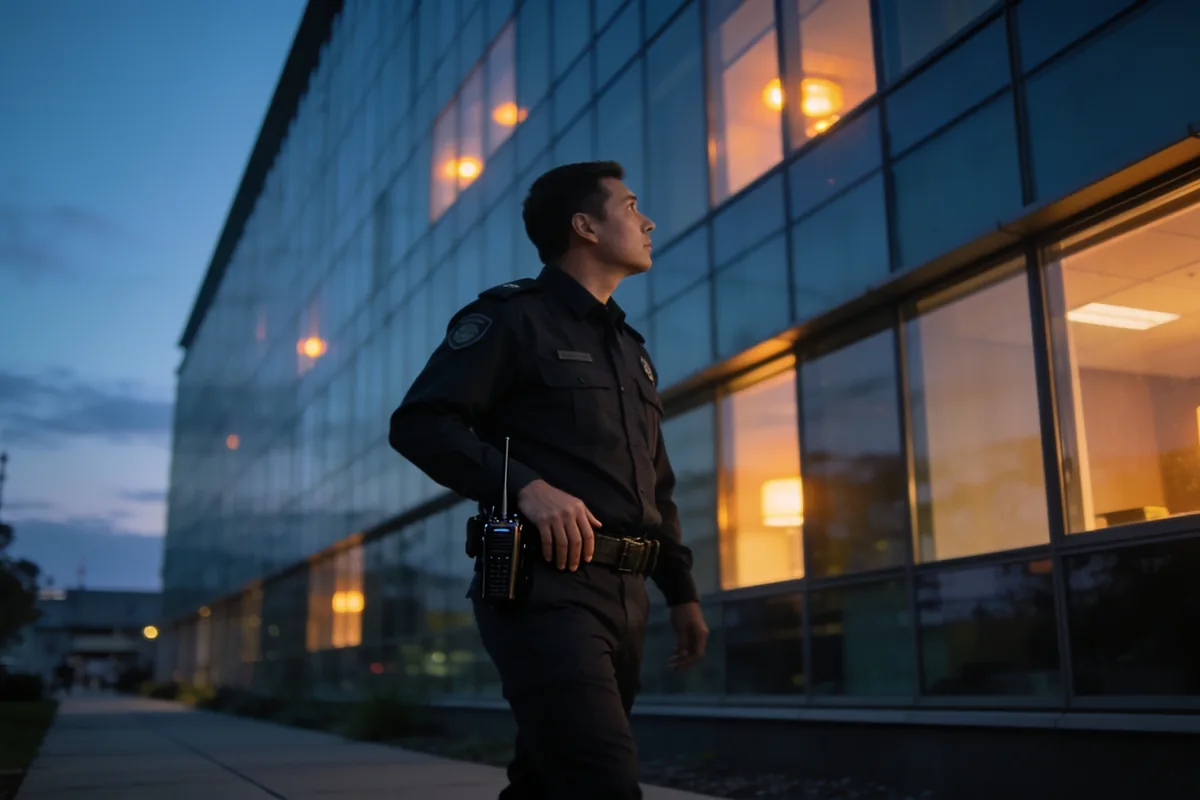
Plenty of Melbourne businesses choose their security company the way they order takeaway: on price and proximity. It is the wrong way to pick something that decides who holds a set of keys to your site and who answers when an alarm goes off at 2am.
The choice is not that hard once you stop window-shopping and start checking what actually separates one firm from another. Licence, training, monitoring and supervision. In that order.
The licence is the floor, not the differentiator
In Victoria, private security is regulated under the Private Security Act 2004. The company you hire, and every guard that company puts on your site, must hold the appropriate licence issued through Victoria Police’s Licensing and Regulation Division. A crowd controller needs a crowd controller registration. A guard doing general duties needs a security guard licence. A firm offering alarm monitoring needs the licence that covers monitoring.
So the first question is not “how much an hour?” It is “show me the licence numbers.” The licensing regulator can confirm whether they are current, and that check is worth doing. Any firm that hesitates, or answers with a story about a subcontractor who will sort it out, has told you everything you need to know.
A licence is only the floor, though. Two licensed firms can be night and day in quality, because the licence does not tell you how guards are trained, who watches them on the job or what happens when something actually goes wrong.
Training and supervision beat a shiny brochure
A guard is only as good as the induction they received and the supervisor checking on them. Ask how guards are trained for your kind of site. Ask who supervises them and how often. Ask what happens when a guard calls in sick: is there a trained relief guard ready, or does the firm scrape someone together at the last minute?
That last question matters more than most people realise. The night a firm substitutes an untrained body is the night the contract stops being worth anything.
Watch for the monitoring trap
If you are buying alarm monitoring and response, the real question is who answers when the alarm trips. Is the monitoring done in Australia? Is there a person who calls you, or just an automated message? What response time is guaranteed, in writing? Who holds the keys and what is the procedure when a guard is dispatched?
Get the answers in writing. Verbal assurances disappear the first time you need them.
Match the firm to the site
Security is not one job. A construction site at night needs something different from a corporate lobby, a retail floor or a crowded event. The firm that guards a shopping centre well can be the wrong fit for a building site where the main risk is theft of plant and materials.
For events and venues, confirm the guards on your booking hold crowd controller credentials. For static sites, ask about experience with that kind of property. Specialist experience is worth more than a generic sales pitch.
Contract red flags
A few things should make you walk away. A quote with no written scope of what the guards actually do. A clause that lets the firm substitute staff without telling you. Hourly rates with no supervision included. Response times promised but never written down. Any pressure to sign on the spot.
The contract is where good firms show their quality. If it is vague, the service will be vague.
How to actually choose
Shortlist three firms and send them the same brief. Visit a site they currently guard, if they will allow it. Talk to the people who would actually work your site, not just the salesperson. Check the licences, get the response times in writing and read the contract before you sign.
The bottom line
Melbourne has plenty of licensed, professional security firms, and it also has operators who will happily take your money and send whoever is available. The difference is not visible on a quote. It sits in the licence numbers, the training, the supervision and the contract. Ask for those four things and you will not get burned.











You must be logged in to post a comment Login