
Healthcare
Hay Fever in Australia: Which Pollens Hit When and What Actually Relieves It

The short version
- Spring is grass-pollen season. For much of southern Australia, the spring hay fever wave is driven mainly by grass pollen, with tree and weed pollen in the mix by region and week.
- Reduce exposure, then treat. Check the pollen count, keep windows shut on high days, shower and change after being outside, and use pharmacy antihistamines or nasal sprays for the rest.
- No cure, but it is manageable. Be wary of anything promising a permanent fix; see a doctor if symptoms disrupt sleep or daily life or if you have asthma.
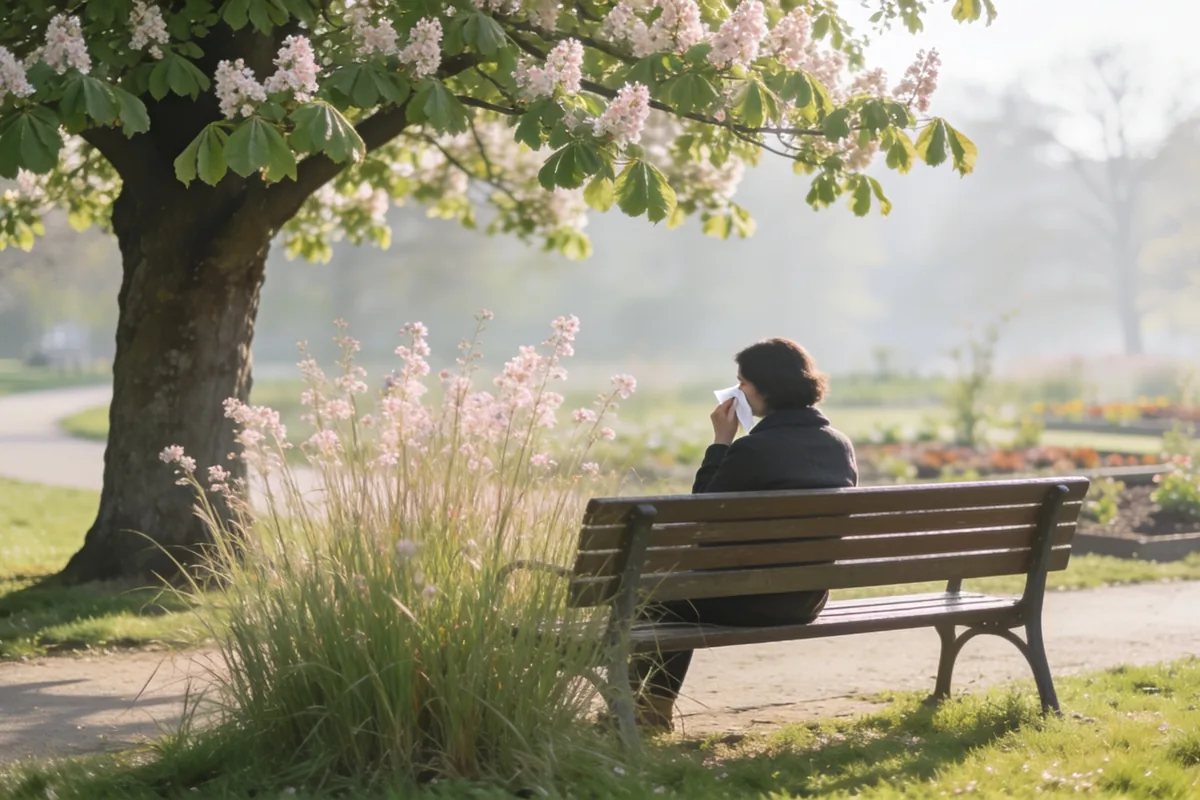
For a large slice of Australia, spring means weeks of a blocked nose, sneezing and itchy eyes. If that is you, you are not alone, and it is worth knowing that most of the misery is avoidable once the pattern is understood. Hay fever is miserable, but it is also predictable, and the Australian pollen year has a shape you can plan around.
What hay fever actually is
Hay fever, which doctors call allergic rhinitis, is an allergic reaction to airborne allergens, most commonly pollen. It is not a cold, and it is not caused by a virus. Your immune system is treating a harmless particle, grass pollen floating past on a spring breeze, as though it were a threat, and the symptoms, the runny nose, the sneezing, the itchy, watery eyes, are the immune system’s overreaction doing its thing.
That distinction matters, because it explains why hay fever does not respond to cold remedies and why it keeps coming back every spring. It is not an infection you catch and get over. It is your body’s response to something in the air, and it will keep happening as long as that something is around.
The Australian pollen year, in plain terms
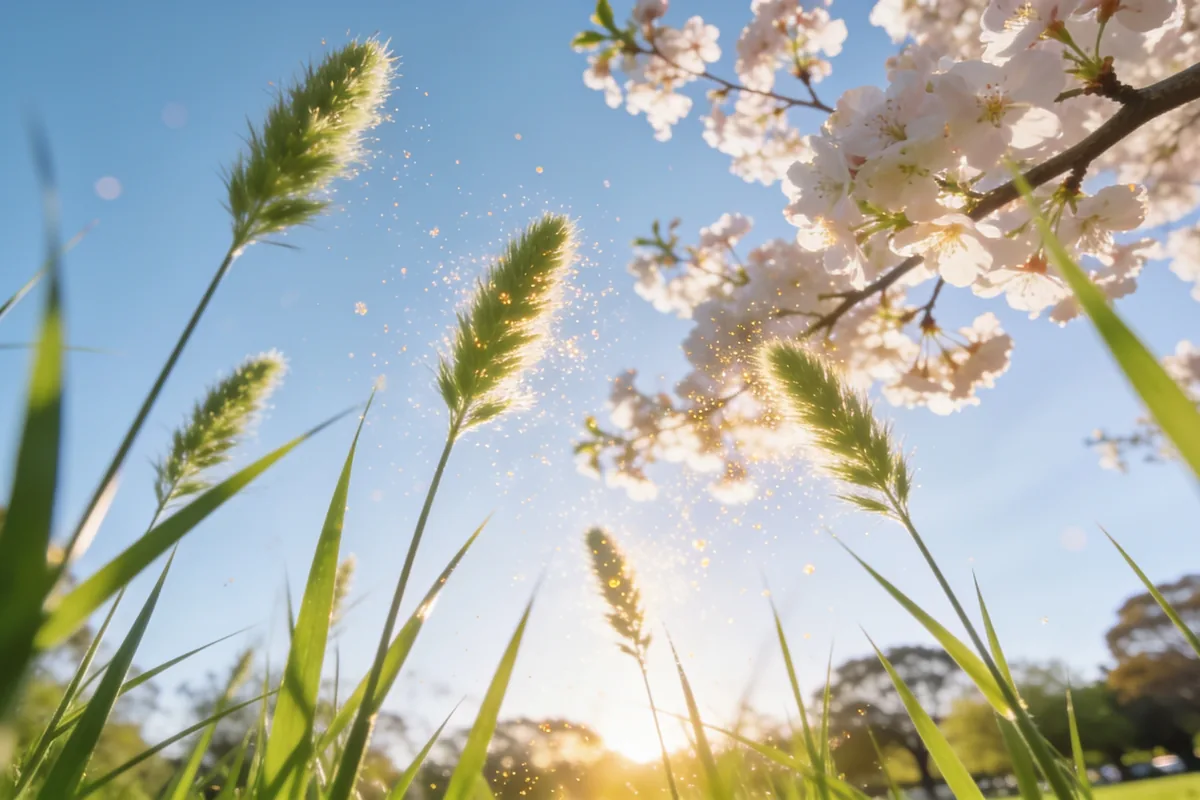
In southern Australia the big spring driver is grass pollen, and the peak season runs roughly from September through November. That is why September feels like the start of it. The grass that has been growing through winter starts to flower as the weather warms, and the pollen goes into the air on dry, breezy mornings.
Tree pollen plays a part too, and it can start earlier. Plane trees and some other species planted along city streets release pollen in spring, which is why a city walk can set off symptoms even where there is no grass in sight. Weed pollen adds to the mix at various points through the season. The exact combination varies by region and by week, which is why a reliable national pollen calendar does not really exist. What is reliable is the broad shape: for most of southern Australia, spring is grass-pollen season, and the daily pollen count tells you how heavy it is on any given day.
Why the season can feel worse each year
Many people feel the hay fever season has been getting worse, and there are honest reasons that can be true without any single dramatic cause. Seasons in some areas have been running longer or more intensely, which stretches out the exposure. More time spent indoors with windows closed can concentrate the indoor allergens, dust and mould, that sit on top of the pollen problem. And symptoms build: a nose that has been irritated for weeks reacts more easily than one that has just started.
This is not a claim that every year is worse than the last, and it is not a reason to panic. It is simply why the season can feel heavier than you remember, and why the same habits that helped last year might not feel like enough this year. The response is the same either way: reduce the exposure where you can, and treat the symptoms that remain.
What actually relieves it
The honest list is shorter than the pharmacy aisle suggests, and it splits into two halves: reduce your exposure, then treat what is left.
Check the daily pollen count and plan outdoor time around it. On high days, keep windows closed and limit time outside in the morning, when grass pollen is often at its peak. When you do come in from outside, shower and change, because pollen clings to skin, hair and clothes. Wash bedding regularly, since pollen settles on it overnight, and the bedding makes a real difference. If you are choosing bedding anyway, the site’s guide to fleece versus cotton blankets is a useful read for what washes well and sleeps cool.
For the symptoms that remain, over-the-counter antihistamines and nasal sprays are the standard options, and a pharmacist or doctor can advise on which suits you. Saline rinses help some people clear the nose without medication. These products manage symptoms, and they do it well for most people. They do not cure the allergy, and it helps to be clear about that from the start.
What to skip
There is no cure for hay fever, and that is the first thing to hold onto when you see something promising a permanent fix. Many “immune-boosting” supplements and quick-fix dietary claims are not supported by evidence, so you can save the money with a clear conscience.
That is not to say lifestyle does nothing. It is to say that the claims which promise to switch off the allergy for good are not real, and the products that make that promise are selling hope rather than medicine. The reliable approach is the plain one: reduce exposure, treat symptoms, and see a doctor when the basics are not enough.
When to see a doctor
See a doctor when symptoms disrupt your sleep or your daily life, or when pharmacy products are not doing the job. There are prescription options and other treatments that a doctor can consider, and there is no reason to put up with a miserable season if the standard options are not enough.
If you have asthma, have a plan, because hay fever can make asthma harder to control. The two are linked, and treating the hay fever properly can help the asthma. And since hay fever that keeps you up at night is one of the ways it does the most damage, the site’s guide to how much sleep you need by age is worth reading if the season is stealing your rest.
The season, managed
Hay fever is miserable but understandable. The Australian pattern is predictable, and a few small habits, checking the count, shutting the windows, showering after being outside, plus the right pharmacy product, get most people through spring without it running the whole season.
You do not have to suffer through it, and you do not have to believe the cure-alls either. Take the pollen seriously, treat the symptoms that break through, and see someone if it is still too much. Spring is short, and with the right habits it does not have to be spent with a box of tissues on the table.
Sources: Australasian Society of Clinical Immunology and Allergy (ASCIA), allergic rhinitis and hay fever · National Asthma Council Australia, pollen, hay fever and asthma · Melbourne Pollen Count (University of Melbourne), grass pollen season guidance