
Healthcare
NDIS Sleepover Shifts: What Overnight Support Involves and What to Ask First

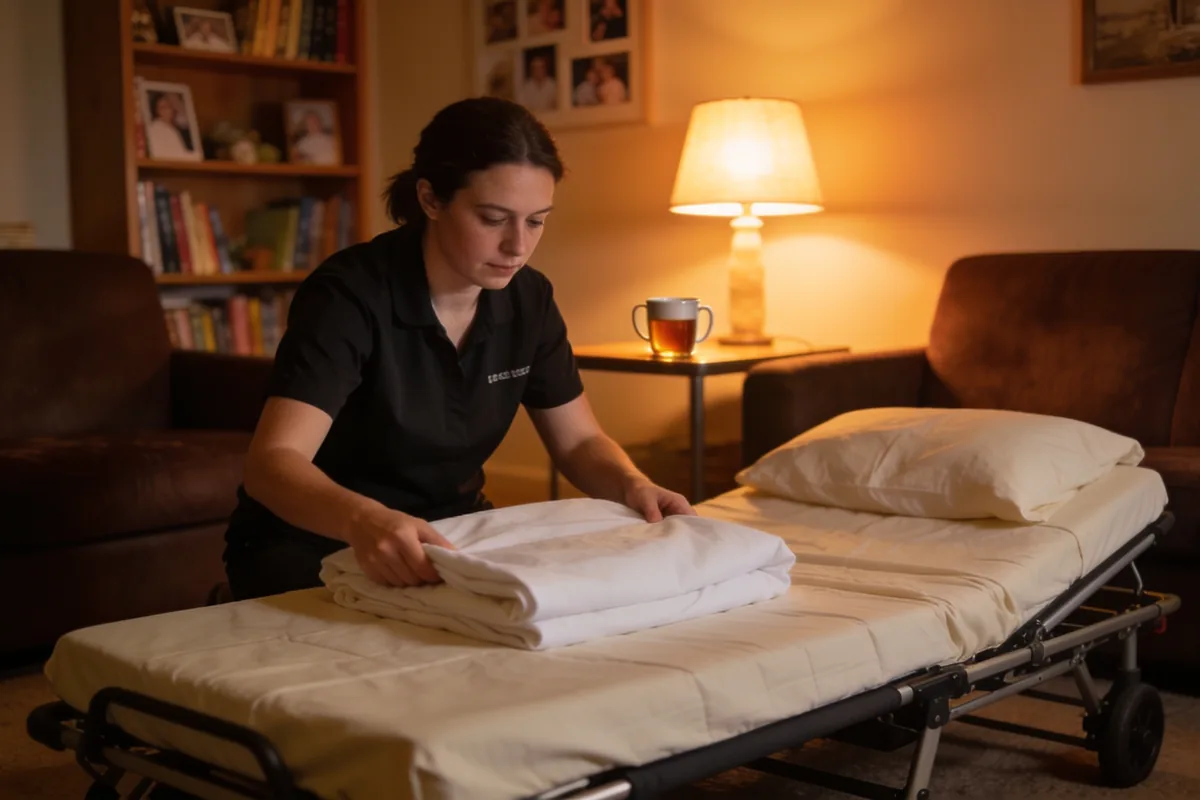
The house settles around nine. Doors are left ajar, the hall light stays on, and in the spare room a support worker makes up the bed for the night. Upstairs, a parent gets the first full sleep in months. Down the hall, the person who needs the help is at home, which is exactly where they want to be.
This is a sleepover shift, and it is one of the least understood supports in the NDIS. Families hear the term and picture a worker who simply sleeps, which undersells what the night actually involves. This guide covers what happens on a sleepover, how the NDIS funds it, who it suits, and the questions worth asking a provider before you say yes.
What a sleepover shift actually involves
A sleepover shift means a support worker stays overnight at the participant’s home. The worker sleeps, but stays on call. If the person wakes needing help, whether to the toilet, to be repositioned, or because of a seizure or a stretch of night-time anxiety, the worker is there to respond.
It is not the same as active overnight support, where a worker stays awake because the person needs care through the night. It is also not 24-hour care, which is usually built from a mix of day supports and an overnight component rather than one single item. The distinction matters because it shapes both the funding and the level of care you can expect.
How the NDIS funds overnight support
Overnight support sits in the Core budget, under assistance with self-care. Our guide to how the NDIS funds support shows how that budget works and how flexible it is. When funding for overnight care is approved, the plan records whether it covers a sleepover or an active night, because the two are priced differently. A sleepover pays a set rate for the worker’s presence through the night. An active night pays more, because the worker is providing care through the hours rather than resting between calls.
The gap between those rates has caused real friction in the sector. A worker on a sleepover is still responsible for the person and may be woken several times, yet the shift is funded at the lower overnight rate. Concerns about how sleepover work is paid, and whether the rate fairly reflects the responsibility, have run for years. It is worth understanding this before arranging a shift, because the pressure it puts on workers can affect who takes the job and how well the night goes.
Who a sleepover suits
Sleepover support suits someone who is safe to be left overnight but needs a person nearby in case something happens. That might be a person who needs help with transfers during the night, who has seizures, who wakes confused, or who should not be alone for safety reasons. For many families, a few sleepover shifts a week is what keeps their relative at home at all.
For older Australians, the same kind of overnight need is usually met through aged care rather than the NDIS. Our guide to staying at home as you age explains those options. The principle is the same: a person nearby overnight, ready if needed, so the person can stay where they know they belong.
Questions to ask a provider before you agree
A provider should be able to answer all of these before you sign anything.
- Is this a sleepover or an active overnight shift, and what does the quoted rate include? What is covered and what is billed separately?
- What happens if the person wakes more often than expected? At what point does the worker call for backup?
- Who will actually come to the shift? Ask about their training, including first aid, manual handling and anything specific your family member needs.
- What is the plan if the worker is sick, late or cannot make the shift?
- How does the worker hand over in the morning, and who do you call if something felt wrong overnight?
- Can the person meet the worker before the first overnight? A familiar face makes the first night easier for everyone.
The bottom line
Sleepover support is more than a worker sleeping in the spare room. It is a funded arrangement that keeps people in their own homes, and it works only when everyone understands what the night involves. Work out whether a sleepover or an active night is what the plan actually provides, ask the questions above, and make sure the person who may wake at 2am knows who is down the hall. Done properly, it is the difference between a household running on adrenaline and one that genuinely rests.
References
National Disability Insurance Scheme, ndis.gov.au









You must be logged in to post a comment Login