
Healthcare
Community Nursing in Australia: What Home-Based Nursing Care Involves

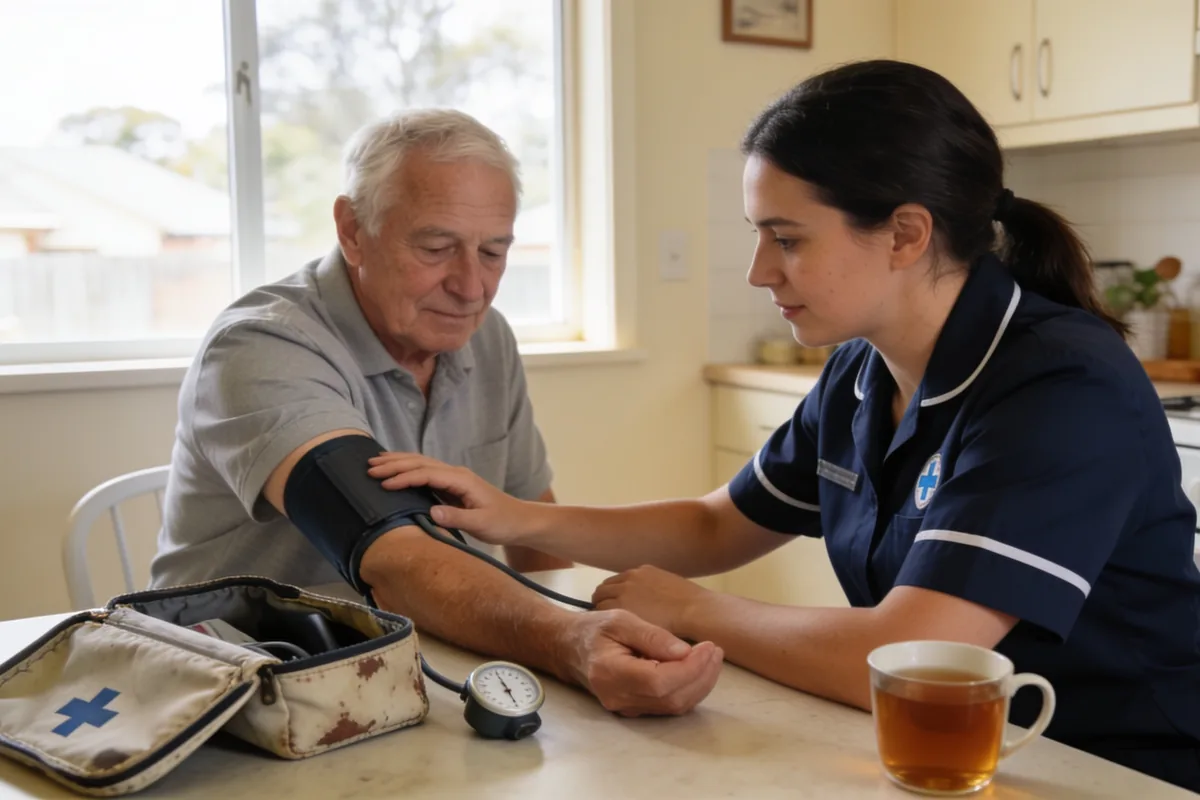
The knock comes at the kitchen door just before lunch. A nurse in a blue uniform sets a bag on the table, washes her hands and asks how the wound on the older man’s leg has been since her last visit. Ten minutes later she is gone again, the dressing changed, the next appointment on the fridge.
That visit is community nursing, and it is one of the quiet workhorses of Australian healthcare. It is a registered nurse coming to you, rather than you travelling to a clinic. For anyone whose health makes leaving home hard, it can be the difference between staying independent and ending up back in hospital.
The work is more clinical than the personal care most people picture when they think of help at home. A community or district nurse can change wound dressings, monitor healing and spot the early signs of infection. They can organise and supervise medications, make sure doses are right and check for problems. They manage long-term conditions such as diabetes, heart disease and respiratory illness, taking readings, adjusting care plans and teaching the person to manage day to day.
They also bridge the gap after a hospital stay. Many people are discharged earlier than they used to be, and a nurse coming to the house in those first weeks catches the complications before they become a reason to go back. At the other end of life, community nurses provide much of the palliative care that lets people spend their last months at home rather than in a ward.
Community nursing is for anyone with a health need that can be managed at home but still needs a nurse’s skill. That includes older people with complex conditions, people recently out of hospital, people with a disability, and those receiving end-of-life care. It is not reserved for the elderly. A younger person with a slow-healing wound or a chronic illness can need the same service.
There are two parts to getting community nursing: the referral and the funding, and it helps to keep them separate.
Referral usually runs through a doctor or a hospital. A GP can refer you to a community nursing service, and a hospital discharge team will often arrange it as part of sending you home. You do not normally contact a nurse directly and book a visit the way you would a hairdresser.
Funding depends on why you need the care. For many people it is covered through Medicare, often under a chronic disease management plan your GP puts together, which lets you claim a rebate for a set number of allied health and nursing visits a year. Private health insurance can contribute in some cases. For people with disability, nursing that relates to the disability can sit inside an NDIS plan as a daily living support, which is where a support coordinator earns their keep. And for older Australians, home nursing is frequently funded through a Home Care Package arranged via My Aged Care.
The line between nursing and personal care matters, because they are funded differently. Personal care is help with the tasks of daily living: showering, dressing, meals and cleaning, the sort of home and community support the NDIS funds for independent living. Nursing is clinical: wound care, medications, catheters and complex condition management. A support worker does one and a registered nurse does the other, and the funding follows that difference.
Ask your GP or your hospital discharge team whether community nursing is available if you are struggling to manage a dressing, a medication routine or a chronic condition at home, or if a family member is caring for someone whose needs are starting to outrun what they can safely do. An early referral keeps a small problem small. Waiting until a carer is exhausted or a wound has turned is how a manageable situation becomes a hospital admission.
The kitchen-table visit is a small thing on its own. Done well and early enough, it is what keeps a person in their own home, out of the revolving door of emergency departments, and living the life they want to live.
Sources: Australian Government Department of Health and Aged Care (health.gov.au) · My Aged Care (myagedcare.gov.au) · NDIS (ndis.gov.au)



You must be logged in to post a comment Login