
Financial
The Cash Flow Mistakes a Professional Accountant Can Spot Before They Become Serious Problems

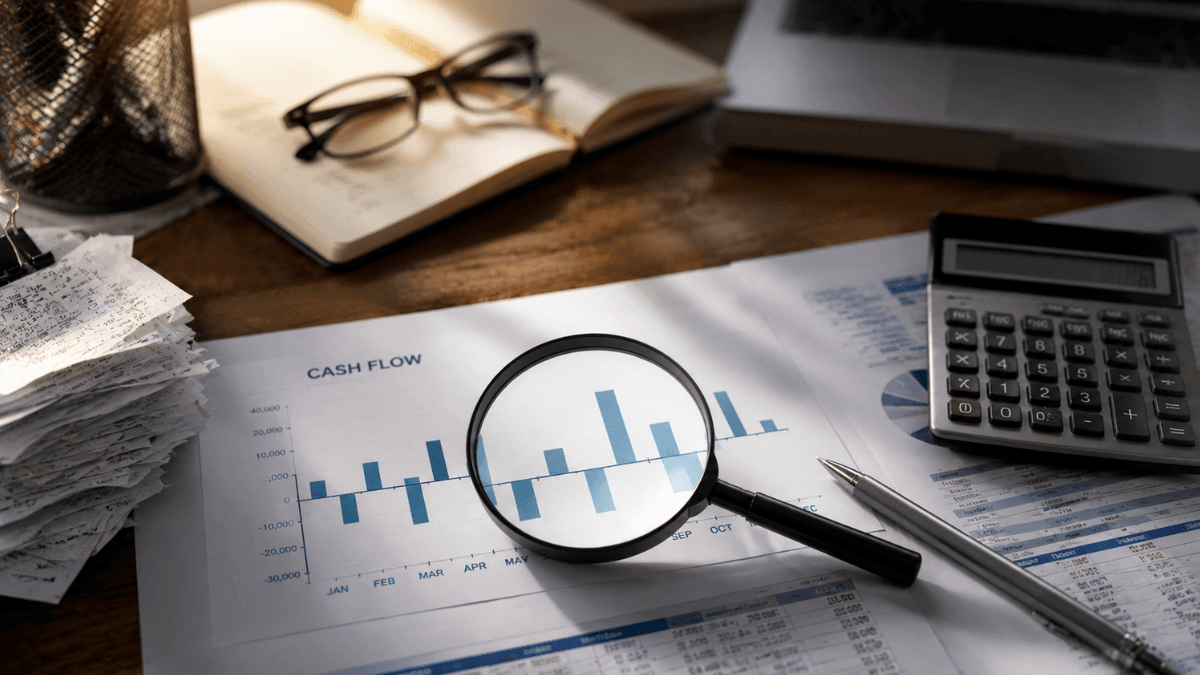
Why Cash Flow Problems Hurt Businesses Faster Than Expected
Many small businesses appear successful on the surface, but quietly struggle with cash flow behind the scenes. Sales may look strong, customers may be active, and work may continue steadily, yet financial pressure can still build quickly when money is not managed properly.
Cash flow problems often develop slowly before suddenly becoming urgent. Late payments, rising expenses, poor budgeting, and tax obligations can create financial strain that affects daily operations. A qualified small business tax accountant in Brisbane can often identify these warning signs early, helping business owners avoid larger financial setbacks later.
Poor Invoice Management Creates Immediate Pressure
One of the most common cash flow mistakes involves delayed invoicing and slow payment collection. Many businesses complete work promptly but wait too long to issue invoices or fail to follow up on unpaid accounts consistently. This creates unnecessary gaps between income and expenses.
A small business tax accountant in Brisbane can review payment processes and identify areas where cash flow can improve. Faster invoicing systems, better payment terms, and clearer tracking methods often help businesses maintain steadier income throughout the month.
Some common invoicing issues include:
- Sending invoices late
- Offering unclear payment terms
- Failing to monitor overdue accounts
- Relying too heavily on a few clients
- Poor record keeping
Even profitable businesses can struggle financially when payments arrive too slowly.
Mixing Personal and Business Spending Causes Confusion
Many business owners accidentally create financial problems by combining personal and business expenses. This makes it difficult to track actual business performance and can complicate tax reporting significantly.
Without a clear separation, business owners may not realise how much money the business is genuinely earning or spending. Personal withdrawals can quietly reduce working capital, leaving less cash available for wages, suppliers, or operational costs.
Professional accountants often recommend:
- Separate business bank accounts
- Dedicated business credit cards
- Regular expense reviews
- Accurate bookkeeping systems
- Monthly financial reporting
These simple steps improve financial visibility and make budgeting more reliable.
A small business tax accountant in Brisbane Can Identify Hidden Spending Problems.
Many businesses lose money through small but repeated expenses that go unnoticed over time. Subscriptions, unnecessary software, inefficient suppliers, and untracked operational costs may gradually reduce profitability without attracting immediate attention.
A small business tax accountant in Brisbane reviews financial records carefully to identify spending patterns that business owners may overlook during busy periods. Small adjustments to expenses can create major improvements in long-term cash flow.
Areas commonly reviewed include:
- Supplier contracts
- Utility expenses
- Payroll efficiency
- Equipment costs
- Marketing spending
- Loan repayments
Reducing unnecessary expenses does not always mean cutting important services. Often, it simply means improving efficiency and spending more strategically.
Tax Obligations Often Catch Businesses Unprepared
Tax debt is one of the biggest causes of financial pressure for small businesses. Many owners underestimate GST obligations, PAYG requirements, or upcoming tax payments until deadlines arrive unexpectedly.
Without proper planning, businesses may spend money that should have been reserved for tax obligations. This creates sudden cash shortages when payments become due. In serious cases, unpaid tax debt can affect business stability and future growth opportunities.
A proactive accounting approach helps businesses prepare gradually instead of reacting under pressure. This includes:
- Setting aside tax funds regularly
- Monitoring BAS obligations
- Forecasting future liabilities
- Tracking deductible expenses properly
- Avoiding late payment penalties
Better planning creates more predictable financial management throughout the year.
Overestimating Revenue Can Lead to Risky Decisions
Many businesses make financial decisions based on expected income rather than confirmed cash flow. Future projects, pending invoices, or seasonal demand may create confidence, but relying too heavily on predicted income can become dangerous if delays occur.
A small business tax accountant in Brisbane can help create realistic cash flow forecasts based on actual financial performance instead of assumptions. This helps business owners make safer decisions regarding staffing, equipment purchases, or expansion plans.
Overestimating revenue may lead to:
- Hiring too quickly
- Overspending on inventory
- Taking on large financial commitments
- Struggling with loan repayments
- Reduced emergency savings
Accurate forecasting helps businesses grow more sustainably while reducing unnecessary risk.
Lack of Emergency Planning Leaves Businesses Vulnerable
Unexpected problems can affect any business. Equipment breakdowns, slow sales periods, rising costs, or economic changes may place sudden pressure on finances. Businesses without emergency cash reserves often struggle to recover from these situations.
Financial professionals regularly encourage businesses to build contingency plans rather than operating month-to-month. Even small savings buffers can reduce stress significantly during difficult periods.
A small business tax accountant in Brisbane may assist businesses with:
- Building emergency reserves
- Creating realistic budgets
- Planning for seasonal downturns
- Reviewing debt obligations
- Managing financial risk
Preparation gives businesses greater flexibility when unexpected costs appear.
Strong Financial Reporting Helps Businesses Make Better Decisions
Many small businesses focus heavily on daily operations while paying little attention to financial reporting. Without regular reporting, owners may not recognise financial problems until they become severe.
Clear reporting provides insight into business performance, profitability, spending trends, and cash availability. This information supports smarter decision-making and helps owners identify problems earlier.
Useful financial reports may include:
- Cash flow summaries
- Profit and loss statements
- Expense tracking reports
- Outstanding invoice reports
- Budget comparisons
- Tax liability forecasts
Consistent reporting also improves confidence when applying for business loans or seeking investment opportunities.
Financial Guidance Supports Long-Term Business Stability
Cash flow management is not only about avoiding financial trouble. Strong financial systems also create opportunities for business growth, stability, and better decision-making. Businesses with healthy cash flow are usually better prepared to invest, hire staff, upgrade equipment, or expand services.
Working closely with a small business tax accountant in Brisbane allows business owners to understand their financial position more clearly. Instead of reacting to problems after they occur, proactive planning helps businesses stay organised and financially prepared throughout the year.
Good financial habits often begin with small improvements. Better tracking, clearer budgeting, and regular professional advice can reduce stress while creating stronger foundations for future success.