



- A first aid certificate contains two things with two different clocks: the qualification itself, and the CPR component inside it.
- The general rule is three years for the full certificate and 12 months for the CPR. The reason people get caught out is that their job can set a shorter clock than either.
- “Expired” is not quite the right word. A certificate does not lapse the way a licence does; it stops being current for the purposes that require it, and that is a fixable problem.
- The course codes on your certificate are national, and your employer is asking for one of them specifically, not for “a first aid certificate”.
- Keep two dates, not one: your certificate date and your CPR date. The second one is the one nobody writes down.
If you have just found a first aid certificate in a drawer and it is not the date you hoped for, take a breath. This is one of the most common workplace surprises there is, and it is far smaller than it feels when you are the person who has to tell somebody. The rule takes a minute to learn. The reason it catches people is not the rule at all; it is that the certificate and the thing inside it run on two different clocks, and most people are only told about one of them.
The two things you are actually renewing
A first aid certificate is not one thing. It is two things travelling together, and they have separate dates.
The first is the first aid qualification itself: the course you sat, the skills you demonstrated and the certificate that records them. The second is the CPR component, which is taught inside that course and carries a shorter clock of its own.
The general convention, set out in the workplace first aid guidance that Australian training providers work to, is this: the full certificate is refreshed every three years, and the CPR component every 12 months. Those are the two numbers worth remembering, and they are the only numbers in this article.
The two clocks are why two people can hold what looks like the same certificate and only one of them is current. It is also why a renewal reminder that only tracks one date is worse than no reminder at all: it creates the impression of being sorted.
There is also a wording point that matters more than it should. A first aid certificate does not expire the way a licence does. What actually happens is that it stops being current for the purposes that require it, which is a different problem with a different solution. Nothing about having an older certificate makes a person unsafe or makes their training a lie. It just means that for a workplace that needs a current one, the certificate no longer does the job it was being kept for.
Knowing that distinction turns the whole situation from a scare into a diary problem, and diary problems are solvable.
Why the CPR component has its own clock
The CPR interval is shorter for a reason that everybody intuitively understands and almost nobody applies to themselves.
CPR is a physical skill. It is performed with hands, at a pace and a pressure that have to be right, on a person who cannot wait. Physical skills fade without practice, and they fade quietly, which is exactly the sort of skill you want refreshed on a schedule rather than trusted indefinitely. That is why the qualification lasts years and the CPR inside it lasts months.
The practical consequence is the sentence that catches people out: somebody holding a current certificate whose CPR training is more than 12 months old is not current as a workplace first aider. On paper everything looks fine. In a workplace with a first aid requirement, it is not.
A CPR-only course is the tool for this situation, and it exists to top up the component without redoing the whole qualification. One caution comes with it, and it is worth saying plainly: a CPR refresh is not a substitute for the full certificate if the full certificate is also out of date. If both clocks have run out, the full course is the one to book.
The CPR interval is also the one that workplaces actually feel. A register of first aiders is only useful if the people on it can act, and the difference between a certificate on a wall and a person who can act is exactly the practice the shorter clock protects.

The course codes on your certificate, explained
If you have ever looked at a certificate and wondered what the letters and numbers on it actually mean, you are in more company than you think.
The units are national. Those codes are units of competency, which means the same code describes the same training in every state and territory. A certificate earned in one state and carried to another has not lost anything, which is a reassuring thing to know for anyone who has moved for work.
What each one is for, in plain English:
- The CPR unit on its own, for when the only thing that has run out is the CPR component.
- Basic emergency life support, which sits between CPR and full first aid.
- Provide first aid, which is the one most workplaces mean when they say “first aid certificate”.
- First aid in an education and care setting, which is what childcare and education employers ask for, and which is a different unit rather than a longer version of the same one.
- Advanced first aid, for roles that need more than the standard course.
Why does the difference matter? Because your employer is almost never asking for “a first aid certificate”. They are asking for a specific unit, and the specific unit is written on your certificate, in the code, in plain view. If you are not sure which one you hold, the certificate answers the question before anyone has to ask it. That is worth checking tonight rather than in the car park of a shift you cannot miss.
What your job changes
The general rule is the floor, and plenty of jobs sit above it. This is the section to read against your own situation.
Workplaces with a nominated first aider. The general rule applies, and the workplace itself keeps the register of who holds what. Being on that register is usually voluntary to arrange and awkward to discover you have fallen off.
Childcare, education and care settings. Employers here ask for the education and care unit specifically, and the currency expectations in these settings are set by the industry rather than by the general rule alone.
Aged care, disability support and community services. In these roles a certificate is often a condition of a shift rather than a page in a file, and a lapse lands on the worker rather than on the workplace. If your work involves supporting people who may need help without warning, this is the place where the CPR date matters most.
Trades, construction, sport and volunteer settings. Here the certificate may be a site requirement, a club’s insurance condition, or a condition of coaching a junior team. Nobody checks it until the moment it is checked.
Which is why the honest instruction is the boring one: check with your industry body. An industry can require a shorter interval than the general rule sets, and if it does, it is the industry requirement that gets checked, not the general one. A minute on your industry body’s website beats discovering the difference at the worst possible moment.
One more practical note about asking. You do not need to know the answer before you ring. Industry bodies and employers are used to this question, the answer is usually on a webpage, and the person asking is doing the responsible thing rather than the embarrassing one. The only wrong version of this question is the one asked after a form has been returned.
Refreshers, not restarts
One worry stops a lot of people from booking, so it deserves its own section: people expect renewal to be probation, and it is not.
There is no separate renewal exam and no trick to it. Refreshing is the same accredited course, done again. That is the whole procedure, and the reason is that the point of the course is the practice, not the paperwork. A person who can do the skills has what the course exists to certify.
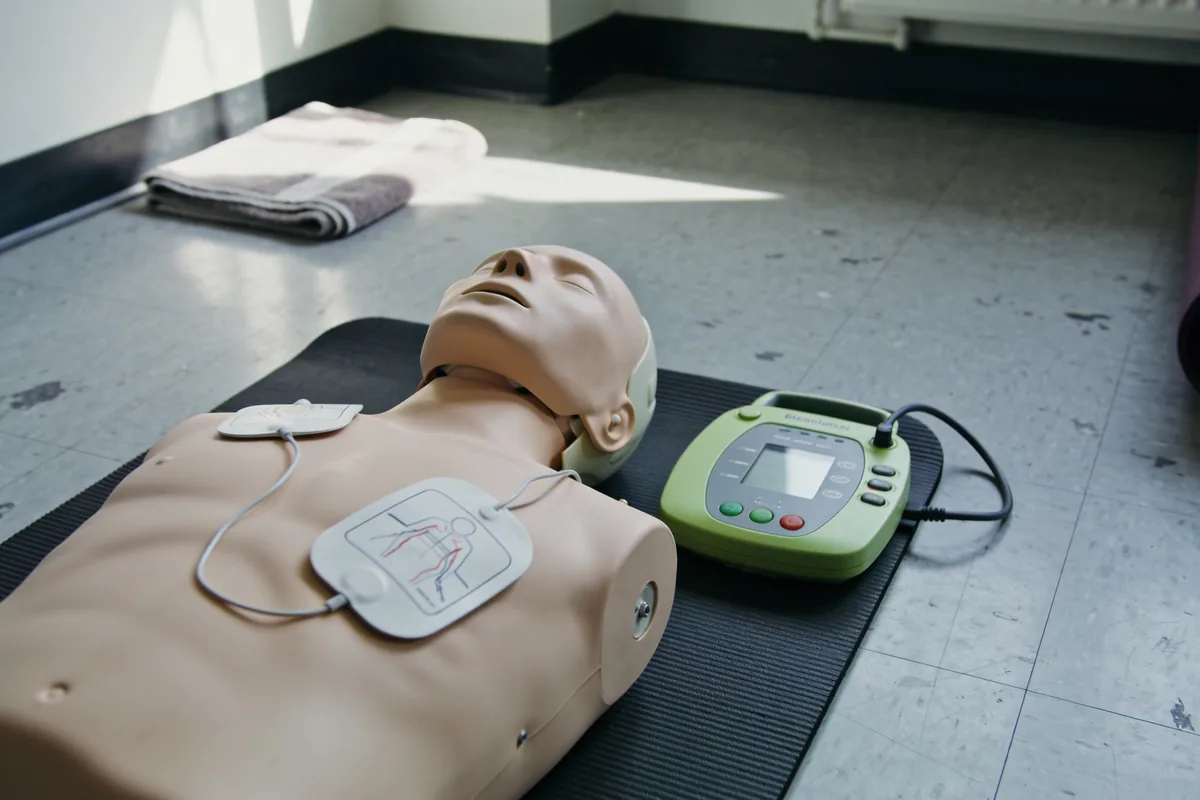
What the day actually involves, so nothing about it surprises you: time working hands-on with a manikin, demonstrating compressions and breaths, time with a training defibrillator, and an assessment based on performing the skills rather than a written test you can memorise. You will be on the floor at some point, and the floor is clean.
And for anyone who has let everything lapse for years, the way back in is the same as the way in the first time. There is no penalty course, no extended version and no record of shame. The only thing a lapse costs is the time it takes to book. That booking is an ordinary one, of the kind a Tarneit first aid trainer that delivers CPR and first aid courses, including on site for workplaces takes every week, from exactly the position you are in now.
One more reassurance for the person who has been away a while: the course has no memory of you and no interest in what went wrong. It teaches the same skills to a room of people who all arrived for their own reasons, and the person refreshing after a long gap and the person refreshing on schedule receive the same certificate at the end.
The person who pays, and who keeps the record
This part is not really about first aid at all. It is about who is responsible, and the answer differs depending on why you hold the certificate.
At work, the employer is responsible for ensuring their first aiders are current, which is why the workplace keeps the record and sends the reminder when a date approaches. The worker’s side of the deal is simpler and worth taking seriously: being able to produce the currency when it is asked for. That is it.
A certificate held for personal reasons is a different thing entirely. Nobody requires you to renew it, and nothing bad happens if you do not. The recommendation to renew anyway is about the skill rather than the rule: a household where somebody can do CPR is a better-prepared household, full stop.
One line on a confusion worth clearing up, because it shows up in the same drawer as the certificate. A first aid kit and a first aid certificate are two different things, and the expiry date on one says nothing about the other. A household with an in-date kit and an out-of-date certificate is not prepared in the way it thinks it is, and the site’s how to prepare for a health emergency in Australia: a household checklist walks through the rest of the cabinet. The site’s pet first aid: a room-by-room guide to the emergencies that happen at home covers the four-legged member of the household for the same reason.
And the line that saves the whole conversation: the person who keeps their own date in their own phone never has this discussion at the worst possible time.
What to diarise, and when
The practical close, in the order the dates actually arrive.
Your certificate date. Your CPR date, which is separate and arrives first. The earlier of the two, if your employer or your industry sets a shorter interval than the general rule. And a reminder far enough ahead of the earliest date to book a course before the old one runs out, because the deadline and the next available course are rarely in the same week.
The rule takes a minute to learn. The only reason it catches people is that nobody writes the second date down.
Sources consulted: St John Ambulance Victoria first aid certificate guidance; Australian Resuscitation Council guidelines.